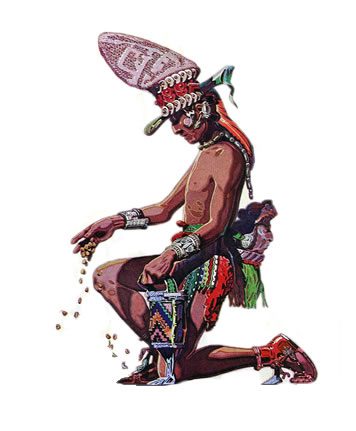
The Yum Kaax is a significant figure in Maya mythology, revered as the god of the forest and agriculture. His name translates to “Lord of the Forest,” and he is often depicted as a young man adorned with foliage, symbolizing his deep connection with nature. The Maya civilization, known for its intricate understanding of the natural world, held Yum Kaax in high esteem, recognizing his influence over crops, wildlife, and the overall health of the ecosystem. His worship reflects the importance of nature in the daily lives of the Maya, who relied heavily on agriculture for sustenance.
The Role of Yum Kaax in Maya Society
Yum Kaax played a vital role in the agricultural practices of the Maya. Farmers would often invoke his name before planting seeds, seeking his blessings for a bountiful harvest. This act of reverence was not merely a ritual; it was a reflection of the Maya belief that the success of their crops depended on divine favor. By honoring Yum Kaax, they hoped to ensure that the soil remained fertile and that the rains would come at the right time. His association with agriculture highlights the intricate relationship between the Maya people and their environment.
 Itzamna
In addition to being a god of agriculture, Yum Kaax was also seen as a protector of the forests and the creatures that inhabited them. The Maya believed that he had the power to control the animals of the forest, making him an essential figure in their understanding of the natural order. When hunting, Maya hunters would often perform rituals to honor Yum Kaax, acknowledging his dominion over the wildlife. This practice not only demonstrated their respect for nature but also reinforced the belief that they were part of a larger ecological system.
Symbols and Representations
The imagery associated with Yum Kaax is rich and varied, often reflecting his connection to nature. He is commonly depicted wearing a headdress made of leaves and flowers, emphasizing his role as the embodiment of the forest. Additionally, he is sometimes shown with maize, which was a staple crop for the Maya, symbolizing nourishment and life. These symbols serve to remind the Maya of the importance of respecting the land and the resources it provides.
One of the most recognizable symbols of Yum Kaax is the maize plant. The Maya considered maize to be sacred, and its cultivation was central to their culture. In many depictions, Yum Kaax is shown surrounded by maize plants, reinforcing the idea that he is a life-giving force. This representation not only highlights the agricultural aspects of his character but also emphasizes the deep spiritual connection the Maya had with maize as a source of sustenance.
 Pauahtun
Myths and Legends
Numerous myths and legends surround Yum Kaax, showcasing his significance in the Maya pantheon. One popular story tells of how he taught the Maya people the secrets of agriculture. According to this legend, Yum Kaax descended from the heavens to show the people how to plant seeds and cultivate the land. He demonstrated the importance of timing, explaining when to plant and when to harvest. This myth underscores the belief that agricultural knowledge was a gift from the gods, highlighting Yum Kaax’s role as a teacher and protector of the land.
Another well-known legend involves Yum Kaax’s interaction with the spirit animals of the forest. In this tale, Yum Kaax is said to have rescued a group of animals from a great flood. As the waters rose, he gathered the animals and brought them to safety atop a mountain. This story illustrates his role as a guardian of wildlife and reinforces the idea that he is deeply connected to the natural world. The animals, in turn, are often depicted as loyal companions to Yum Kaax, representing the harmony between humans and nature.
 Frog God
Rituals and Worship
The worship of Yum Kaax involved various rituals and ceremonies that were integral to Maya life. Farmers would hold ceremonies at the beginning of the planting season, offering gifts and prayers to Yum Kaax in hopes of securing his blessings. These rituals often included the preparation of special foods, such as tamales made from maize, which were offered to the deity. This act of giving was seen as a way to honor Yum Kaax and demonstrate gratitude for the resources he provided.
In addition to agricultural ceremonies, the Maya also celebrated Yum Kaax during festivals dedicated to the forest and wildlife. These festivals featured music, dance, and offerings to the god, creating a communal atmosphere of reverence and celebration. Participants would dress in costumes adorned with natural materials, symbolizing their connection to the earth. Such events not only strengthened community bonds but also reinforced the cultural significance of Yum Kaax in Maya society.
Yum Kaax in Modern Culture
Despite the passage of time and the decline of the Maya civilization, the legacy of Yum Kaax continues to resonate in modern culture. Many descendants of the Maya still honor this ancient deity, incorporating elements of his worship into their contemporary practices. This persistence of belief demonstrates the enduring connection between the Maya people and their ancestral traditions.
In recent years, there has been a resurgence of interest in Maya spirituality and mythology, with Yum Kaax emerging as a prominent figure in various cultural events. Workshops and gatherings focused on traditional agricultural practices often include discussions about Yum Kaax, emphasizing the importance of sustainable farming and environmental stewardship. This revival not only honors the past but also promotes awareness of ecological issues in the present.
The Importance of Nature in Maya Mythology
Yum Kaax’s significance extends beyond his role as a deity; he embodies the broader theme of the interconnectedness of nature and humanity in Maya mythology. The Maya viewed the natural world as a living entity, deserving of respect and care. This perspective is evident in their rituals, stories, and agricultural practices, all of which emphasize the importance of maintaining balance with the environment.
Through the figure of Yum Kaax, the Maya expressed their understanding of the delicate balance required for survival. They recognized that their well-being depended on the health of the forests, rivers, and fields. This holistic view of nature is a crucial aspect of Maya culture, informing their interactions with the land and shaping their identity as a people.
Yum Kaax remains a powerful symbol of the Maya’s deep-rooted connection to the natural world. His worship reflects the values of respect, gratitude, and stewardship that were central to Maya life. As modern society grapples with environmental challenges, the lessons embodied by Yum Kaax and the ancient Maya offer valuable insights into the importance of living in harmony with nature.