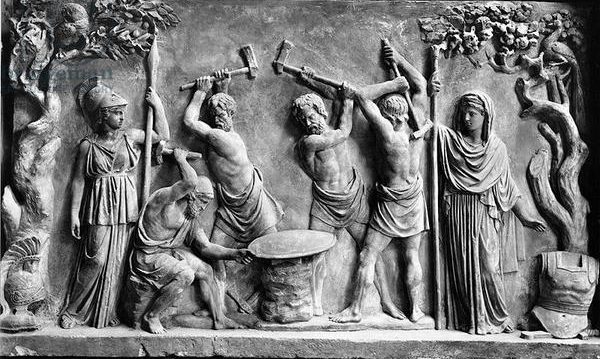
Ribhus are significant figures in Hindu mythology, known primarily as divine artisans or craftspeople. They are often associated with the creation and enhancement of various elements of the universe, including food, drink, and even the physical body. The stories surrounding Ribhus highlight their skills and the importance of craftsmanship in the divine order. In the Vedas, they are depicted as gods who possess exceptional abilities to transform and improve the world around them. Their narratives serve as a reminder of the value placed on creativity and the art of making in ancient Hindu culture.
The Origins of Ribhus
The origins of the Ribhus can be traced back to ancient Vedic texts, where they are mentioned as three brothers: Ribhu, Vibhus, and Arbhu. These brothers are often portrayed as the sons of Vivasvat, the sun god, and are celebrated for their remarkable talents in various crafts. The Vedic hymns describe them as being intimately connected to the natural world, which they sought to enhance through their creative abilities. Their origin story reflects the belief that divine craftsmanship is essential for the maintenance and improvement of the universe.
 Ravana
In many tales, the Ribhus are depicted as having the ability to create and innovate. They are often seen as symbols of transformation and improvement. For instance, they are credited with the creation of the first chariots, which were made for the gods, showcasing their skills in engineering and design. The Ribhus’ capacity to enhance the world around them signifies the importance of artisanship in the cosmic order, as they contribute to the beauty and functionality of the divine realm.
The Role of Ribhus in Hindu Mythology
In Hindu mythology, the Ribhus play a multifaceted role that goes beyond mere craftsmanship. They are often seen as mediators between the gods and humans, using their skills to create offerings that please the deities. This function underscores the idea that craftsmanship is not only a practical skill but also a spiritual one. The Ribhus’ creations are believed to bring prosperity and blessings to those who honor the gods through their work.
One of the most notable stories involving the Ribhus is their interaction with the god Indra. According to the legends, Indra, the king of the gods, once found himself in need of assistance. The Ribhus offered to help him by creating a magnificent chariot that would enable him to travel through the heavens with great speed and agility. This tale illustrates the importance of collaboration between the divine and the artisan, emphasizing that even the gods can benefit from human-like creativity and ingenuity.
 Ratri
RatriThe Creative Powers of Ribhus
The creative powers of the Ribhus extend to various aspects of life and nature. They are often credited with the invention of numerous tools and objects that are essential for daily living. For example, the Ribhus are said to have crafted the first musical instruments, which played a vital role in religious ceremonies and celebrations. Music, being a significant aspect of Hindu culture, is a testament to the Ribhus’ influence on artistic expression and the arts.
Furthermore, the Ribhus are associated with the creation of food and drink. They are believed to have invented various forms of ritual offerings that are essential for worship in Hinduism. These offerings not only nourish the body but also serve as a means of connecting with the divine. By providing sustenance, the Ribhus reinforce the idea that creativity and craftsmanship are integral to both the physical and spiritual realms.
Ribhus and Rituals
Rituals play a crucial role in Hindu practices, and the Ribhus are often invoked during these ceremonies. They are regarded as the protectors of sacred traditions and are believed to bless those who engage in rituals with creativity and skill. The Ribhus’ involvement in rituals underscores the significance of craftsmanship as a way to connect with the divine and seek blessings.
 Rati
RatiDuring certain ceremonies, devotees may offer prayers to the Ribhus, asking for their guidance in creative endeavors. This practice reflects the belief that divine inspiration can enhance one’s artistic abilities and lead to greater success. The Ribhus are often honored in various forms of art, including dance, music, and visual arts, as a way of paying tribute to their contributions to creativity and craftsmanship.
Ribhus in Literature and Art
The influence of the Ribhus extends beyond mythology and rituals into literature and art. In ancient texts, their stories have been recounted and celebrated, highlighting their significance as divine artisans. Various poems and hymns in the Vedas pay homage to their skills, emphasizing the importance of craftsmanship in Hindu culture.
In the realm of visual arts, the Ribhus have been depicted in various forms, showcasing their creative prowess. Artists often portray them engaged in the act of creation, surrounded by tools and materials. These artistic representations serve as a reminder of the divine nature of craftsmanship and the importance of creativity in all aspects of life. The Ribhus inspire artists to explore their own creativity and strive for excellence in their work.
Symbolism of Ribhus
The Ribhus carry deep symbolic meanings within Hindu mythology. They represent the idea that creativity and craftsmanship are not only valuable skills but also essential aspects of the universe’s functioning. The Ribhus symbolize the harmony between the divine and human realms, illustrating how divine inspiration can lead to innovation and improvement.
Moreover, the Ribhus embody the notion of transformation. Their ability to take raw materials and turn them into something beautiful and functional reflects the potential within every individual to create and innovate. This transformative power is a central theme in many Hindu teachings, encouraging individuals to harness their creativity and strive for excellence in their pursuits.
Ribhus and Modern Interpretations
In contemporary society, the stories of the Ribhus continue to resonate. Their emphasis on craftsmanship and creativity can be seen in various fields, from technology to the arts. Many modern artisans draw inspiration from the Ribhus, seeking to infuse their work with the same spirit of innovation and improvement that the divine artisans exemplified.
Furthermore, the Ribhus serve as a reminder of the importance of collaboration and community in creative endeavors. Just as the Ribhus worked together to create and enhance the world, modern creators often find that collaboration leads to greater innovation and success. This idea encourages individuals to seek out partnerships and shared experiences in their creative pursuits.
Lessons from Ribhus
The stories and teachings of the Ribhus impart valuable lessons that are relevant to individuals today. One of the most important lessons is the value of creativity and innovation. The Ribhus remind us that everyone has the potential to create and contribute to the world around them. Embracing creativity can lead to personal growth and fulfillment.
Another significant lesson is the importance of skill and craftsmanship. The Ribhus exemplify the idea that mastery of a craft requires dedication and hard work. This notion encourages individuals to pursue their passions with commitment and strive for excellence in their chosen fields. By honing their skills, individuals can make meaningful contributions to society and the world.
Ribhus in Contemporary Culture
In contemporary culture, the Ribhus continue to inspire various forms of artistic expression. Many artists, musicians, and writers draw upon the themes and stories associated with the Ribhus in their work. This connection to ancient mythology highlights the timeless nature of creativity and the enduring relevance of craftsmanship in today’s world.
Additionally, the Ribhus serve as symbols of sustainability and environmental consciousness. Their association with nature and the enhancement of the world encourages individuals to consider the impact of their creative endeavors on the environment. Many modern creators strive to incorporate sustainable practices into their work, reflecting the values embodied by the Ribhus.
The Ribhus, as divine artisans in Hindu mythology, represent the profound connection between creativity, craftsmanship, and the divine. Their stories and teachings continue to resonate in contemporary culture, reminding individuals of the importance of innovation, skill, and collaboration. By drawing inspiration from the Ribhus, modern creators can explore their own potential and contribute to a world that values creativity and craftsmanship.