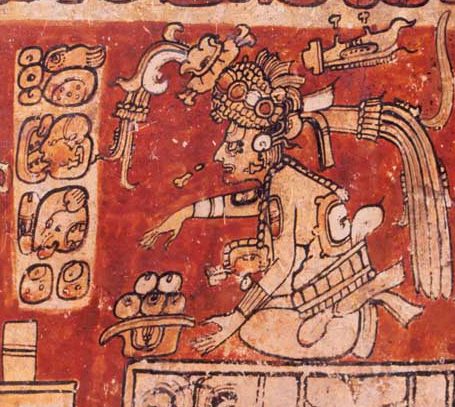
Itzamna is a significant deity in Maya mythology, revered as a god of creation, wisdom, and the sky. He is often depicted as an elderly man, representing the wisdom that comes with age. Itzamna plays a crucial role in various myths and stories, embodying the essence of knowledge and the power of the cosmos. His influence is seen in many aspects of Mayan culture, from their religious practices to their understanding of the universe. This article delves deep into the life, significance, and various aspects of Itzamna in Maya mythology.
The Origin of Itzamna
The origins of Itzamna are shrouded in mystery, much like the beginnings of the universe itself. In the Mayan creation myth, he is often described as one of the first gods who emerged from the primordial waters. This emergence signifies the beginning of life and the establishment of order in the universe. Itzamna is frequently associated with the World Tree, a central element in many Mesoamerican mythologies that connects the heavens, earth, and the underworld. This connection emphasizes his role as a mediator between different realms.
 Pauahtun
According to various Mayan texts, Itzamna is also credited with creating humanity. He shaped the first humans from maize, which is a sacred crop in Maya culture. This act of creation highlights his nurturing side and establishes him as a benevolent figure. The connection between Itzamna and maize is vital, as it symbolizes sustenance and life for the Mayans. His role as a creator god places him at the center of many important stories and rituals within the Mayan civilization.
Itzamna in Maya Religion
In the realm of Maya religion, Itzamna holds a position of great importance. He is often worshipped as the god of the heavens and the creator of the universe. Temples dedicated to Itzamna can be found throughout the Mayan world, illustrating his widespread veneration. These temples served as places of worship, where priests would perform rituals to honor him and seek his blessings for good harvests, health, and prosperity.
One of the most notable rituals associated with Itzamna is the New Year ceremony, which marks the beginning of the agricultural cycle. During this time, the Mayans would offer prayers and sacrifices to Itzamna, hoping to gain his favor for a bountiful harvest. The rituals often included music, dance, and the presentation of offerings, showcasing the rich cultural practices surrounding this deity. Through these ceremonies, the Mayans expressed their gratitude and devotion to Itzamna, reinforcing his significance in their daily lives.
 Frog God
Symbolism and Attributes of Itzamna
Itzamna is rich in symbolism, embodying various aspects of life and the universe. He is often associated with the night sky, representing the vastness and mystery of the cosmos. The Mayans believed that Itzamna controlled the stars and the celestial bodies, making him a crucial figure in their understanding of astronomy. His connection to the heavens also highlights his role as a god of wisdom and knowledge, as he is seen as a source of enlightenment for humanity.
Another important attribute of Itzamna is his association with healing. He is considered a god of medicine and is often invoked in times of illness or distress. The Mayans believed that Itzamna possessed the power to heal both physical and spiritual ailments, making him a vital figure in their health practices. This healing aspect further emphasizes his benevolent nature and the care he has for humanity.
Myths and Legends Involving Itzamna
Numerous myths and legends feature Itzamna, showcasing his significance in Maya mythology. One popular tale involves his conflict with the goddess Ix Chel, who represents fertility and the moon. In this story, Itzamna and Ix Chel are depicted as partners, working together to create the world. However, their relationship is complex, filled with both cooperation and conflict. This dynamic illustrates the balance between creation and destruction, a theme prevalent in many mythologies.
 Fat God
Another notable legend involves Itzamna’s role in the Popol Vuh, the sacred book of the Maya. In this text, Itzamna is portrayed as a wise and powerful deity who guides the Hero Twins, Hunahpú and Xbalanqué, on their journey. He provides them with the knowledge and tools necessary to defeat their enemies, showcasing his role as a mentor and protector. This story emphasizes the importance of wisdom and guidance in overcoming challenges, a theme that resonates deeply within Maya culture.
Itzamna’s Influence on Maya Society
The influence of Itzamna extends beyond mythology and religion into various aspects of Maya society. His teachings and attributes shaped the Mayan understanding of the world and their place within it. The Mayans looked to Itzamna for guidance in matters of agriculture, health, and governance, making him a cornerstone of their cultural identity. His wisdom was often sought by rulers, who believed that his favor would lead to a prosperous reign.
In addition to his role in governance, Itzamna’s influence is evident in Mayan art and architecture. Many artworks depict him in various forms, showcasing his significance in the spiritual and cultural life of the Mayans. Temples dedicated to Itzamna often feature intricate carvings and murals that tell stories of his deeds and attributes, serving as a reminder of his importance in their daily lives. This artistic expression not only honors Itzamna but also reinforces the cultural values of the Maya.
Comparative Analysis with Other Mesoamerican Deities
When examining Itzamna, it is essential to consider his role in comparison to other Mesoamerican deities. For instance, Quetzalcoatl, the feathered serpent god of the Aztecs, shares similarities with Itzamna in terms of wisdom and creation. Both deities are associated with knowledge and the nurturing of humanity, yet their representations and cultural significance vary across their respective civilizations. Quetzalcoatl is often depicted as a youthful figure, while Itzamna is represented as an elderly man, symbolizing the different perspectives on wisdom and age in these cultures.
Another notable comparison can be made with the Incan god Viracocha, who is also a creator deity. Like Itzamna, Viracocha is associated with the sky and the cosmos, reflecting the universal themes of creation found in many cultures. However, while Itzamna’s stories often emphasize his nurturing and healing aspects, Viracocha’s narratives focus more on his power and authority over creation. This distinction highlights the diverse interpretations of divine figures within Mesoamerican mythology.
Itzamna in Modern Culture
Today, Itzamna continues to be a figure of interest and reverence in modern culture. Many Mayan descendants still honor him in their traditional practices, ensuring that his legacy endures through generations. Festivals and rituals celebrating Itzamna are held, often incorporating ancient customs alongside contemporary expressions of faith. This blending of old and new illustrates the resilience of Mayan culture and the enduring significance of Itzamna.
In addition to traditional practices, Itzamna has also found a place in popular culture. His stories and attributes have inspired various forms of art, literature, and media, introducing a broader audience to the richness of Maya mythology. This cultural exchange allows for a greater appreciation of Itzamna and the values he represents, fostering a deeper understanding of Mesoamerican heritage.
The Legacy of Itzamna
The legacy of Itzamna is profound, shaping the beliefs and practices of the Maya for centuries. His influence is seen in the continued reverence for ancient traditions, as well as the incorporation of his stories into modern interpretations of Maya culture. Itzamna’s role as a creator, healer, and wise figure ensures that he remains a significant part of the Maya identity, representing the values of knowledge, nurturing, and balance.
Moreover, the study of Itzamna and other Mesoamerican deities contributes to a greater understanding of the complexities of ancient civilizations. By exploring the myths and cultural practices surrounding Itzamna, scholars and enthusiasts can gain insights into the worldview of the Maya and the values they held dear. This exploration enriches our understanding of humanity’s shared history and the diverse ways in which cultures interpret the divine.