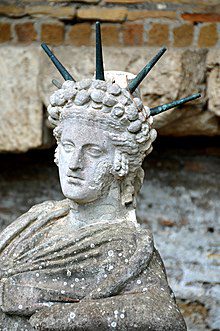
In Greek mythology, Attis is a fascinating figure associated with the worship of the goddess Cybele. His story is intertwined with themes of death, rebirth, and the cycles of nature. Attis is often depicted as a beautiful young man, embodying the vitality and strength of youth. His narrative highlights the relationship between humanity and the divine, showcasing the profound impact of gods and goddesses on the lives of mortals. The myths surrounding Attis reveal the complexities of love, sacrifice, and the eternal struggle between life and death.
The Origins of Attis
Attis’s origins are steeped in ancient lore. He is believed to be the son of a Phrygian king, Agdistis, and the goddess Cybele. According to the myths, Agdistis was born from a rock, embodying both male and female traits. This duality plays a crucial role in the story of Attis, as it highlights the themes of transformation and the fluidity of identity. The tale often suggests that Attis’s birth was miraculous, representing the union of nature and divinity.
 Augean-stables
As a young man, Attis was known for his striking beauty and charm. He captivated the hearts of many, including Cybele, who fell deeply in love with him. Their relationship was complex, filled with passion and turmoil. The goddess, often depicted as a maternal figure, represents the earth and fertility, while Attis symbolizes the youthful spirit. This connection between them signifies the importance of love and desire in Greek mythology, where gods and mortals often intertwine.
The Love Story of Attis and Cybele
The love story of Attis and Cybele is both tragic and profound. Cybele’s affection for Attis was intense, but it was also marked by jealousy and possessiveness. According to the myth, Attis fell in love with a mortal woman named Sangri, which enraged Cybele. In a fit of jealousy, she drove Attis to madness, leading him to castrate himself in a moment of despair. This act of self-mutilation symbolizes the extreme lengths to which love can drive individuals and reflects the chaotic nature of divine emotions.
 Aurai
AuraiAfter his self-castration, Attis died, and his body was found by the goddess Cybele. Stricken with grief, she mourned for him deeply, and her sorrow transformed into a powerful ritual. This ritual was celebrated annually in ancient Phrygia, marking the cycle of death and rebirth. The death of Attis represented the seasonal cycle of nature, where life fades away only to return again. This theme resonates throughout many myths, emphasizing the interconnectedness of life, death, and renewal.
The Cult of Attis
The cult of Attis was an important aspect of ancient religious practices. His worship was closely tied to that of Cybele, and together they formed a significant part of the Phrygian and later Roman religious traditions. The rituals dedicated to Attis often involved ecstatic celebrations, music, and dance, reflecting the joyous aspects of life and the inevitability of death. These ceremonies were a means for followers to connect with the divine and to celebrate the cycles of nature.
One of the most notable festivals dedicated to Attis was the Hilaria, celebrated during the spring equinox. This festival involved a series of rituals, including the reenactment of Attis’s death and resurrection. Participants would don festive attire, dance, and engage in various forms of celebration to honor the god. The Hilaria was a time of renewal, symbolizing the awakening of nature and the promise of new life. This festival highlights the significance of seasonal changes in ancient cultures and their deep-rooted connection to agricultural cycles.
 Autolycus
Symbolism of Attis
Attis is rich in symbolism, representing various themes within Greek mythology. His narrative encompasses the ideas of rebirth, transformation, and the cyclical nature of life. The story of his self-castration can be interpreted as a metaphor for sacrifice, where personal desires are relinquished for a greater purpose. This aspect of his character resonates with many ancient myths, where heroes and deities often face trials that require them to sacrifice something dear to them.
Additionally, Attis’s connection to nature is a prominent theme in his mythology. He embodies the spirit of spring and the rejuvenation of the earth. As he dies and is reborn, he represents the cycle of seasons, where life thrives, wanes, and returns again. This cycle is essential in agricultural societies, where the changing seasons directly impact the livelihoods of communities. The myths surrounding Attis serve as a reminder of the natural world’s power and the importance of honoring the cycles of life.
Attis in Literature and Art
The figure of Attis has been depicted in various forms of literature and art throughout history. Ancient poets and playwrights often referenced him in their works, using his story to explore themes of love, loss, and transformation. The most notable literary sources include the works of Ovid, who included Attis in his narrative of metamorphoses. Ovid’s portrayal of Attis emphasizes the tragic aspects of his story, highlighting the consequences of jealousy and the complexities of divine love.
In art, Attis is often depicted in sculpture and pottery, showcasing his beauty and connection to nature. Many ancient artifacts illustrate scenes from his life, including his relationship with Cybele and his dramatic self-castration. These artistic representations serve to immortalize his story and reflect the values and beliefs of ancient cultures. The enduring nature of Attis’s image in art and literature underscores the lasting impact of his myth on subsequent generations.
Modern Interpretations of Attis
In contemporary culture, the story of Attis continues to resonate with audiences. Modern interpretations often explore the themes of identity, sacrifice, and the complexities of love. Artists, writers, and filmmakers draw inspiration from Attis’s narrative, reimagining it in various contexts. This adaptability of the myth speaks to its universal appeal and the timeless nature of its themes. The struggle between personal desires and societal expectations remains relevant, making Attis a poignant figure in modern storytelling.
Additionally, the cult of Attis has seen a resurgence in interest among those exploring ancient religions and their practices. Scholars and practitioners alike seek to understand the significance of his worship and its implications for contemporary spirituality. This revival reflects a broader trend of reconnecting with ancient traditions and the lessons they offer for modern life. The story of Attis serves as a bridge between the past and present, inviting exploration of our relationship with nature, the divine, and ourselves.
the story of Attis is a rich tapestry woven into the fabric of Greek mythology. His origins, love story with Cybele, and the subsequent cult that arose in his honor reflect the complexities of life, death, and rebirth. The enduring symbolism of Attis, alongside his representations in literature and art, underscores his significance in both ancient and modern contexts. As we continue to explore the myths of the past, Attis remains a powerful reminder of the interconnectedness of all living things and the eternal cycles that govern our existence.