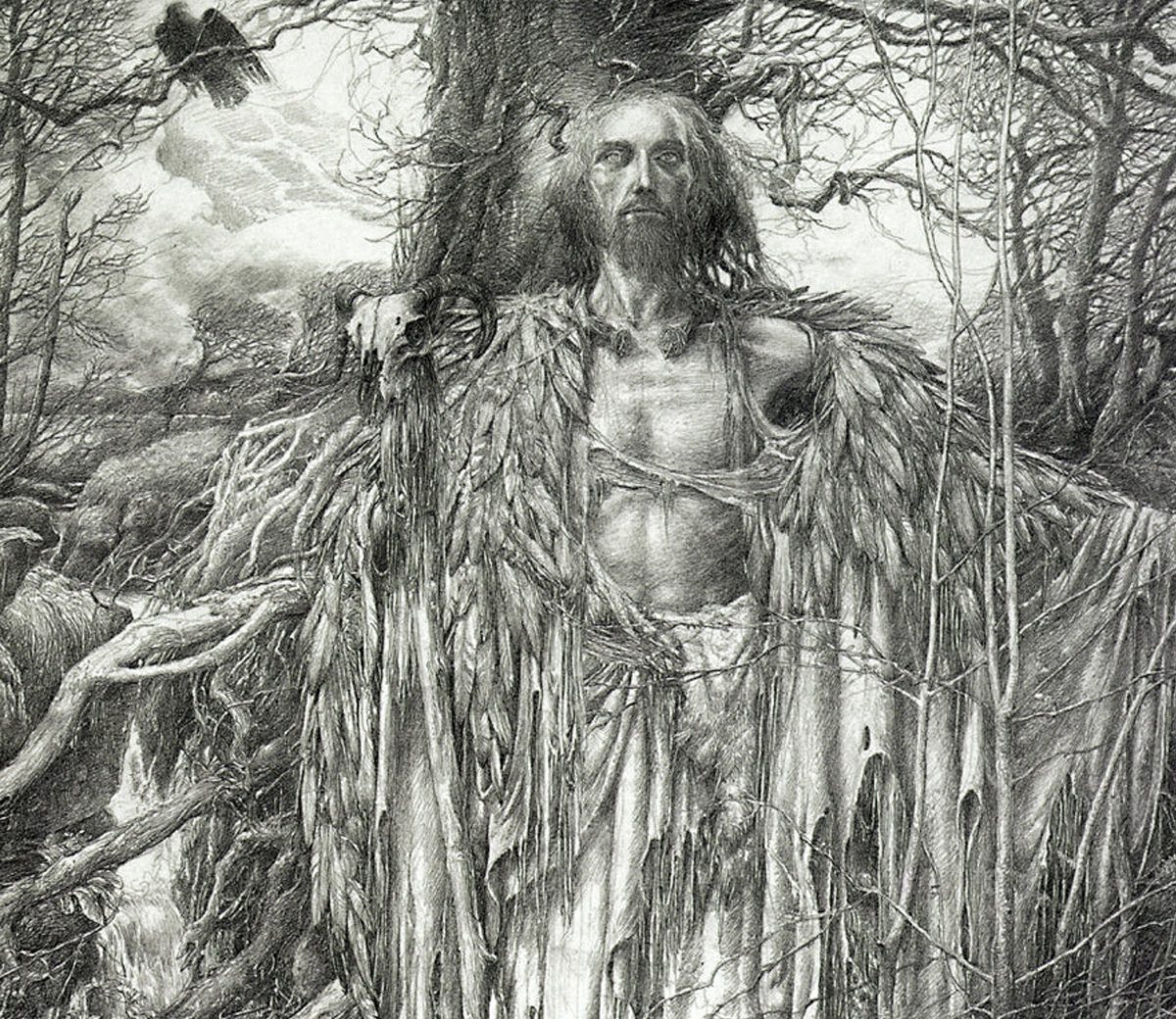
Amairgin is a prominent figure in Irish mythology, known for his role as a poet, druid, and warrior. He is one of the key characters in the Táin Bó Cúailnge and is often associated with the Tuatha Dé Danann, a supernatural race in Irish folklore. His name means “son of the sea,” which ties him to the natural elements and suggests a deep connection to the land and its stories. The tales surrounding Amairgin are rich with symbolism and reflect the values and beliefs of ancient Irish culture.
Amairgin’s Origins
Amairgin is often described as a member of the Milesians, the mythical ancestors of the Irish people. According to the stories, he was born on the shores of Ireland and is said to have been one of the first people to set foot on the island after it had been inhabited by the Tuatha Dé Danann. His arrival marked a significant turning point in Irish mythology, as it signified the transition from one era to another. The Milesians were considered to be the rightful inheritors of the land, and Amairgin’s presence symbolized their claim to Ireland.
 Airmid
In many versions of the myth, Amairgin is depicted as a wise and skilled leader. He is not only a warrior but also a poet, which was a highly respected role in ancient Irish society. His ability to weave words into powerful verses reflects the importance of storytelling and oral tradition in Irish culture. This duality of being both a warrior and a poet highlights the multifaceted nature of his character and the value placed on both strength and wisdom.
The Role of Poetry in Amairgin’s Life
Poetry holds a special place in the stories of Amairgin. As a poet, he uses his words to invoke the power of the land and its spirits. His famous invocation upon arriving in Ireland is a prime example of this. He recites lines that call upon the natural elements, asking the earth to welcome him and his people. This act of invocation demonstrates the deep spiritual connection the ancient Irish had with their surroundings. It shows how they believed that words had the power to shape reality and influence the world around them.
 Ainge
AingeMoreover, Amairgin’s poetry often serves as a form of protection and guidance. In various myths, he uses his verses to soothe his people during times of hardship and to rally them in battle. His words can inspire courage and foster unity among the Milesians. This aspect of his character emphasizes the belief that the spoken word carries immense power and can alter the course of events. The importance of poetry in Amairgin’s life illustrates the broader cultural significance of storytelling in Irish tradition.
Amairgin and the Tuatha Dé Danann
The relationship between Amairgin and the Tuatha Dé Danann is a complex one. As the Milesians arrived in Ireland, they encountered this powerful race of gods and supernatural beings. The Tuatha Dé Danann were known for their magical abilities and their deep connection to the land. In many accounts, they are depicted as the guardians of Ireland, possessing knowledge and skills that far surpassed those of ordinary humans.
Amairgin’s interactions with the Tuatha Dé Danann are filled with tension and conflict. He often challenges their authority and seeks to assert the rights of the Milesians. This struggle for dominance reflects the broader themes of conquest and belonging that permeate Irish mythology. Amairgin’s bravery in standing up to these powerful beings showcases his strength as a leader and his determination to secure a future for his people.
 Áine
ÁineKey Conflicts
- Battle of Magh Tuiredh: A significant conflict between the Milesians and the Tuatha Dé Danann.
- Amairgin’s Challenge: Amairgin confronts the leaders of the Tuatha Dé Danann to claim his right to the land.
- Negotiation and Diplomacy: At times, Amairgin seeks to negotiate peace with the Tuatha Dé Danann rather than resorting to violence.
Throughout these conflicts, Amairgin’s character is tested, and he emerges as a symbol of resilience and determination. His ability to navigate these challenges reflects the qualities admired in leaders within Irish society. The stories of his encounters with the Tuatha Dé Danann also serve as cautionary tales, reminding listeners of the complexities involved in the struggle for power and the importance of respecting the land and its ancient guardians.
The Legacy of Amairgin
The legacy of Amairgin is profound and far-reaching. He is remembered not only as a warrior and a poet but also as a figure who embodies the spirit of the Milesians. His stories have been passed down through generations, becoming an integral part of Irish folklore. Amairgin’s role in the conquest of Ireland symbolizes the enduring struggle for identity and belonging that resonates with many cultures around the world.
In modern times, Amairgin’s character has inspired countless adaptations in literature, art, and performance. His poetic invocations and heroic deeds continue to captivate audiences, reflecting the timeless appeal of mythological figures. The themes of identity, belonging, and the power of words resonate deeply in contemporary society, making Amairgin a relevant figure even today.
Amairgin’s Influence on Irish Culture
Amairgin’s influence extends beyond mythology into the very fabric of Irish culture. His stories highlight the importance of oral tradition and the role of poets in society. In ancient Ireland, poets were not merely entertainers; they were custodians of history and culture. They had the power to shape narratives and influence public perception through their words. Amairgin’s legacy as a poet underscores the respect afforded to this role in Irish society.
Additionally, Amairgin’s connection to the land and nature reflects the deep-rooted reverence that the Irish people have for their environment. His invocations emphasize the idea that the land is not merely a backdrop for human activity but a living entity with which people must engage respectfully. This relationship between humans and nature is a recurring theme in Irish mythology and continues to be a vital aspect of Irish cultural identity.
Modern Interpretations of Amairgin
In contemporary literature and art, Amairgin is often reinterpreted to reflect modern sensibilities and concerns. Writers and artists draw upon his rich mythological background to explore themes such as identity, heritage, and the search for belonging. These reinterpretations allow new audiences to connect with Amairgin’s story and find relevance in his experiences.
Moreover, modern adaptations often emphasize the duality of Amairgin’s character. As a poet and a warrior, he embodies the complexities of the human experience. This multifaceted nature resonates with contemporary audiences, who may grapple with similar struggles in their own lives. By reexamining Amairgin through a modern lens, artists and writers contribute to the ongoing dialogue about cultural identity and the role of myth in shaping personal narratives.
The Significance of Amairgin in Irish Mythology
Amairgin’s significance in Irish mythology cannot be overstated. He represents the intersection of myth and history, serving as a bridge between the ancient and the modern. His stories are not merely tales of adventure; they are reflections of the values and beliefs that have shaped Irish culture for centuries. Through Amairgin, we gain insight into the importance of language, the struggle for identity, and the profound connection between people and their land.
Furthermore, Amairgin’s character serves as a reminder of the power of storytelling. In a world where narratives can shape perceptions and influence lives, his legacy encourages us to honor the stories of our ancestors and to recognize the role they play in our understanding of ourselves and our place in the world. The myths surrounding Amairgin invite us to reflect on our own journeys and the ways in which we navigate the complexities of life.