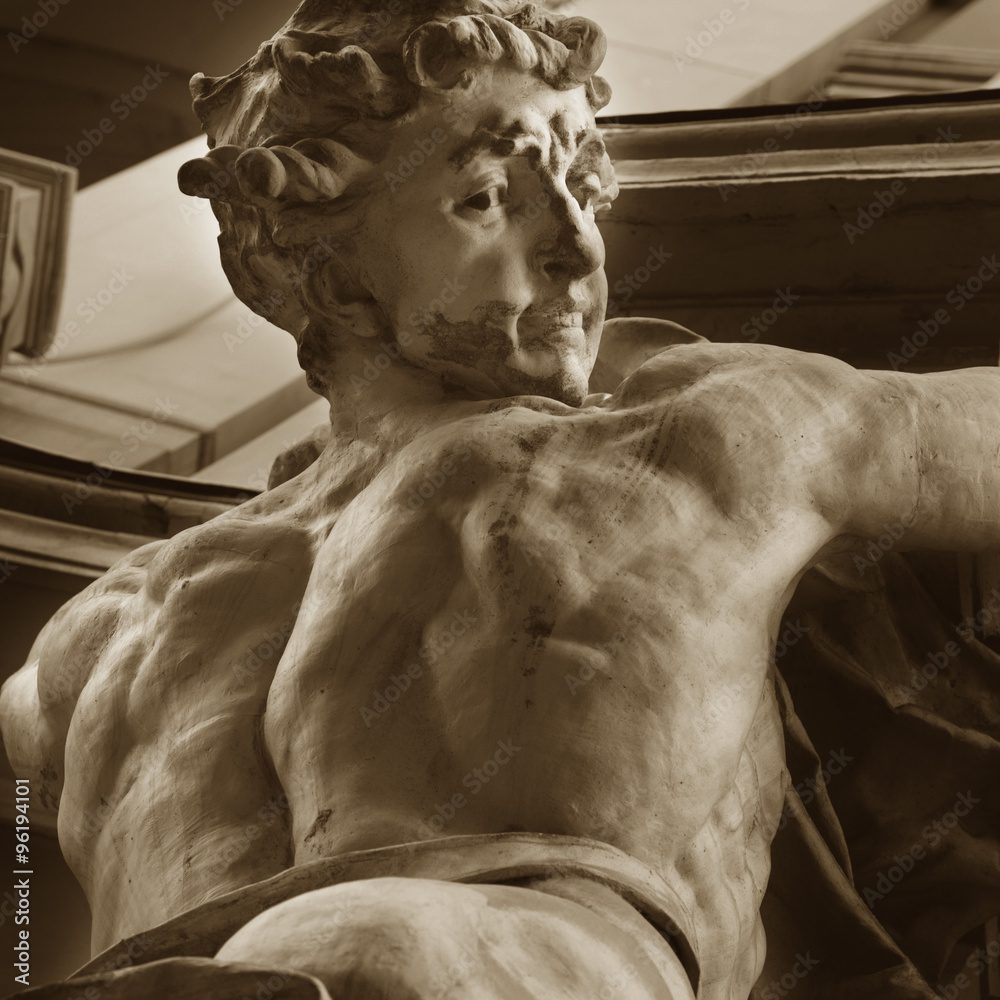
In Roman mythology, Phoebus is a name often associated with the sun and is frequently linked to the Greek god Apollo. While the Greeks and Romans had different names and stories, many of their deities shared similar attributes and domains. Phoebus is depicted as a radiant figure who embodies light, knowledge, and prophecy. His association with the sun made him an important deity in both cultures, representing not just the physical sun, but also the intellectual and spiritual enlightenment that it brings. In this article, we will explore the various aspects of Phoebus, his significance in Roman mythology, and how he compares to his Greek counterpart, Apollo.
Origins of Phoebus
The name Phoebus derives from the Greek word “Phoibos,” which means bright or shining. This term reflects his radiant nature and his role as the god of the sun. In Roman culture, Phoebus was revered not only for his connection to light but also for his associations with music, healing, and prophecy. His origins can be traced back to earlier Indo-European traditions, where solar deities were common. As the Romans absorbed Greek culture, they adopted many of the myths and characteristics of Apollo, but they also emphasized Phoebus’s unique traits.
 Picus
PicusIn Roman texts, Phoebus is often depicted as a youthful and handsome god, symbolizing the vitality of the sun. He is typically portrayed riding a golden chariot across the sky, pulling the sun behind him. This imagery serves to illustrate his power over light and darkness, as well as his role in the cycle of day and night. The Romans celebrated him through various festivals, often held during the summer solstice when the sun was at its peak. These celebrations were not only religious but also cultural, highlighting the importance of the sun in agricultural societies.
Phoebus and His Attributes
Phoebus is associated with several attributes that highlight his divine qualities. One of the most significant is the laurel wreath, which symbolizes victory and achievement. This connection to triumph is often seen in the context of music and poetry, where Phoebus is celebrated as the god of inspiration. His role as a patron of the arts is particularly evident in Roman literature, where poets and musicians would invoke his name to seek inspiration for their works.
Another important attribute of Phoebus is the lyre, a stringed musical instrument that he is often depicted playing. The lyre represents not only his musical talents but also the harmony and beauty that he brings to the world. The sound of the lyre is said to soothe the soul and bring joy to those who hear it. In this way, Phoebus embodies the duality of creation: the ability to bring both light and joy to the world through music and art.
 Pietas
Phoebus in Roman Religion
In the context of Roman religion, Phoebus held a significant place among the pantheon of gods. He was often worshipped alongside other deities such as Jupiter and Venus. Temples dedicated to Phoebus were constructed in various parts of the Roman Empire, where followers would gather to offer sacrifices and seek his favor. These temples often featured intricate sculptures and artwork that depicted his radiant form, further emphasizing his divine nature.
One of the most notable temples dedicated to Phoebus was located in Rome, on the Palatine Hill. This temple served as a center for worship and was a place where various rituals and festivals were held in his honor. The Romans believed that by honoring Phoebus, they could gain his blessings for good fortune, health, and artistic inspiration. These practices reflected the broader Roman belief in the importance of maintaining a good relationship with the gods, as it was thought to influence their daily lives.
Comparisons with Apollo
When comparing Phoebus to his Greek counterpart, Apollo, several similarities and differences emerge. Both deities share a connection to the sun, music, and prophecy, but their representations can differ significantly. While Apollo is often portrayed as a more complex figure with a broader range of attributes, Phoebus tends to focus more on his solar aspects. This distinction highlights how the Romans adapted Greek mythology to fit their cultural context.
 Pilumnus
In Greek mythology, Apollo is not only the god of the sun but also the god of the arts, healing, and divination. He is often depicted as a wise and thoughtful figure, with deep connections to human affairs. In contrast, Phoebus is primarily celebrated for his radiant nature and his role in providing light and inspiration. This difference can be attributed to the varying cultural values and beliefs held by the Greeks and Romans.
Legends and Myths Involving Phoebus
Many legends and myths involving Phoebus illustrate his significance in Roman culture. One popular story tells of his pursuit of the nymph Daphne, who was transformed into a laurel tree to escape his advances. This myth not only highlights Phoebus’s beauty and desire but also serves as an allegory for the fleeting nature of love and the importance of nature in Roman life. The laurel tree, as a result of this myth, became a symbol of victory and achievement, further solidifying Phoebus’s association with success.
Another important legend involves Phoebus’s role as a healer. In Roman mythology, he was often called upon to cure ailments and diseases. His connection to healing is reflected in his association with the god of medicine, Asclepius. Many Romans believed that by invoking Phoebus, they could gain his favor and receive relief from their suffering. This belief underscores the importance of divine intervention in the lives of the ancient Romans and their reliance on the gods for guidance and support.
Cultural Impact of Phoebus
The cultural impact of Phoebus can be seen in various aspects of Roman life, including art, literature, and philosophy. Artists frequently depicted him in sculptures and paintings, emphasizing his radiant form and divine attributes. These artistic representations served not only as expressions of devotion but also as a means of celebrating the beauty of the natural world. Through these works, Phoebus became a symbol of inspiration and creativity, influencing countless generations of artists.
In literature, Phoebus is often referenced in poetry and prose as a source of inspiration. Many Roman poets, such as Virgil and Ovid, invoked his name in their works, seeking his blessing for their creative endeavors. The presence of Phoebus in literature reflects the deep connection between the divine and the artistic spirit in Roman culture. His influence extended beyond the realm of poetry, inspiring philosophers and thinkers who sought to understand the nature of light, knowledge, and the human experience.
Festivals and Celebrations
The Romans celebrated various festivals in honor of Phoebus, emphasizing his importance in their religious and cultural life. One of the most notable celebrations was the Apollonia, which took place during the summer solstice. This festival included music, dance, and theatrical performances, all dedicated to honoring Phoebus and his contributions to the arts and agriculture. Participants would often dress in bright colors, symbolizing the vibrant energy of the sun.
Another significant festival was the Lyceum, which celebrated Phoebus’s connection to music and the arts. During this event, musicians and poets would gather to perform in his honor, showcasing their talents and seeking his inspiration. The Lyceum served as a platform for artistic expression, highlighting the cultural importance of Phoebus in Roman society. These festivals were not only religious observances but also opportunities for community bonding and cultural exchange.
Phoebus in Modern Culture
The legacy of Phoebus continues to influence modern culture, particularly in literature and the arts. Many contemporary writers and artists draw inspiration from his character and the myths surrounding him. The themes of light, knowledge, and artistic inspiration associated with Phoebus resonate with audiences today, making him a timeless figure in the realm of mythology. His story serves as a reminder of the enduring connection between humanity and the divine.
Moreover, the name Phoebus has been adopted in various contexts, including literature, music, and even science. For example, the term “phoebic” is sometimes used to describe things related to light or brightness. This continued usage highlights the lasting impact of Phoebus on language and culture, as his legacy remains intertwined with concepts of enlightenment and inspiration.
Phoebus is a significant figure in Roman mythology, embodying the qualities of light, inspiration, and healing. His connections to the sun, the arts, and prophecy highlight his importance in both religious and cultural contexts. As we explore the myths, legends, and festivals surrounding Phoebus, we gain a deeper understanding of his role in Roman society and the lasting impact he has had on modern culture. Through his story, we are reminded of the timeless nature of mythology and its ability to inspire and enlighten across generations.