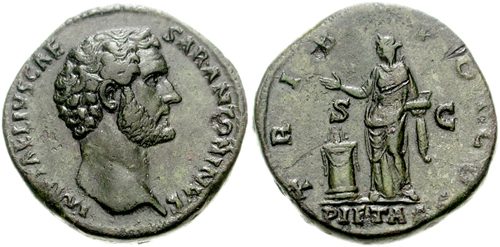
Pietas is a significant concept in Roman mythology that embodies the virtues of duty, loyalty, and devotion. It represents the obligations one has to family, gods, and country. In ancient Rome, pietas was more than just a virtue; it was a guiding principle that influenced the behavior of individuals and the functioning of society. The Romans held pietas in high regard, believing that it was essential for maintaining the social order and ensuring the favor of the gods. This article explores the various facets of pietas, its representation in mythology, its importance in Roman culture, and its enduring legacy.
The Meaning of Pietas
The term pietas comes from the Latin word that translates to “piety.” However, its meaning extends beyond mere religious devotion. Pietas encapsulates a sense of responsibility towards one’s family, the divine, and the state. It is often seen as a blend of moral obligation and reverence. In Roman society, individuals were expected to exhibit pietas in their daily lives, showing respect for their ancestors and performing rituals to honor the gods. This sense of duty was not just a personal choice but a social expectation that reinforced the fabric of Roman life.
 Pilumnus
In many ways, pietas can be understood as a form of loyalty. It emphasizes the importance of relationships, particularly those within the family unit. The Romans believed that by honoring one’s parents and ancestors, individuals could ensure their place in the afterlife. This belief in ancestral respect was so strong that it often dictated the actions of individuals throughout their lives. The concept of pietas thus intertwines with the Roman ideas of honor and reputation, making it a cornerstone of their ethical framework.
Pietas in Roman Mythology
Pietas is often personified in Roman mythology through various deities and legendary figures. One of the most notable representations is found in the character of Aeneas, the hero of Virgil’s epic poem, the Aeneid. Aeneas is depicted as the epitome of pietas, demonstrating unwavering loyalty to his family and the gods. His journey from Troy to Italy is not just a quest for a new homeland but also a manifestation of his duty to fulfill his destiny as the founder of Rome. Throughout his adventures, Aeneas consistently prioritizes his responsibilities, showcasing the ideal of pietas in action.
The character of Aeneas serves as a model for Roman citizens, illustrating how one should navigate the challenges of life while remaining committed to one’s duties. The Aeneid emphasizes that true heroism lies not in personal glory but in fulfilling one’s obligations. This portrayal of pietas reflects the broader Roman belief that individual desires should be subordinate to the greater good of the community and the divine will.
 Voluptas
Other Mythological Figures Representing Pietas
- Juno: The queen of the gods often exemplifies the complexities of pietas, as she struggles with her loyalty to her husband, Jupiter, and her commitment to the Trojans.
- Romulus and Remus: The legendary founders of Rome also embody pietas, particularly in their dedication to their mother, Rhea Silvia, and their role in establishing a new city.
- Hercules: Known for his strength, Hercules also displays pietas through his commitment to completing his twelve labors, which were often undertaken to atone for his past mistakes.
Pietas in Roman Culture
Pietas was not only a mythological ideal but also a fundamental aspect of Roman culture. In ancient Rome, societal norms were heavily influenced by the concept of duty. Families were expected to uphold their honor through acts of devotion and loyalty, which often manifested in public ceremonies and rituals. The cult of ancestors was a significant aspect of Roman life, with families maintaining altars and conducting rites to honor their deceased members. This practice underscored the importance of pietas in preserving family lineage and ensuring the continuation of traditions.
Moreover, pietas was deeply intertwined with the Roman legal system. Laws were often created to reflect the values of duty and loyalty, emphasizing the need for individuals to act in accordance with their responsibilities. For example, the concept of fides (faithfulness) was critical in both personal and business relationships. Contracts and agreements were built on the understanding that parties would fulfill their obligations, reflecting the societal expectation of pietas.
Pietas and the Roman State
The Roman state itself was seen as an extension of the family unit, where citizens were expected to exhibit pietas towards their country. This idea was particularly evident during times of war. Soldiers were not only fighting for personal glory but also for the honor of their families and the protection of their homeland. The notion of patriotism in Rome was closely linked to pietas, as citizens were encouraged to place the welfare of the state above their individual interests. This collective responsibility fostered a sense of unity among the Roman people.
 Pomona
Furthermore, the concept of pietas played a significant role in the political sphere. Leaders were often judged based on their ability to demonstrate duty and loyalty to the state and its citizens. A ruler who exhibited pietas was more likely to gain the trust and support of the populace. This expectation extended to military leaders, who were tasked with safeguarding the Roman Empire and ensuring its prosperity. The emphasis on pietas in governance highlighted the belief that effective leadership required a deep sense of responsibility towards both the divine and the people.
The Legacy of Pietas
The legacy of pietas extends beyond ancient Rome and continues to influence modern society. The values associated with pietas, such as duty, loyalty, and respect for family, remain relevant today. In many cultures, the idea of honoring one’s parents and ancestors is still upheld, reflecting the enduring impact of Roman beliefs. Moreover, the concept of civic duty is prevalent in contemporary discussions about citizenship and community engagement, echoing the Roman emphasis on responsibility to the state.
Additionally, pietas has found its way into literature and art throughout history. Many writers and artists have drawn inspiration from the Roman ideals of duty and loyalty, creating works that explore these themes. The character of Aeneas, for example, has been revisited in various adaptations, showcasing the timeless nature of his journey and the values he represents. This ongoing fascination with pietas underscores its significance as a moral framework that transcends time and cultural boundaries.
Pietas in Modern Interpretations
In modern interpretations, pietas can be seen as a call to action for individuals to engage with their communities and fulfill their responsibilities. The challenges faced by contemporary society, such as social injustice and environmental degradation, require a renewed commitment to the values of duty and loyalty. By embracing the principles of pietas, individuals can work towards creating a more just and compassionate world, echoing the Roman belief in the importance of collective responsibility.
Moreover, the concept of pietas encourages a deeper understanding of our relationships with others. In an increasingly individualistic society, the emphasis on duty to family and community serves as a reminder of the interconnectedness of human experiences. By fostering a sense of loyalty and commitment, individuals can contribute to the well-being of those around them, reflecting the enduring legacy of Roman values in our daily lives.
pietas is a multifaceted concept that lies at the heart of Roman mythology and culture. It encompasses a sense of duty, loyalty, and devotion that influences individual behavior and societal norms. Through the lens of mythology, figures like Aeneas exemplify the ideals of pietas, while in Roman culture, these values shape the expectations of citizenship and family dynamics. The legacy of pietas continues to resonate today, reminding us of the importance of fulfilling our responsibilities to one another and to the world around us.