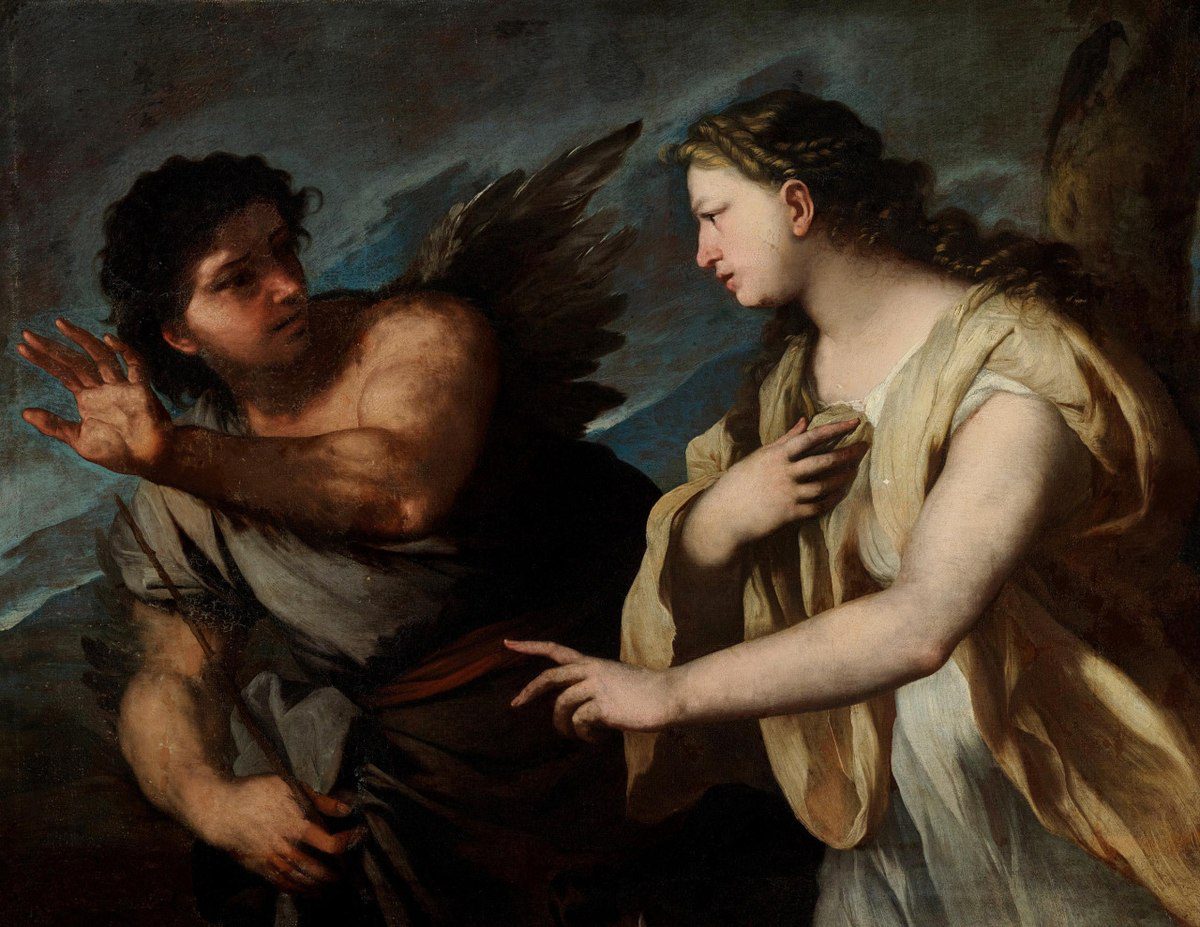
In Roman mythology, Picus is a fascinating figure known for his connection to woodpeckers and his role as a divinity of agriculture and fertility. He is often depicted as a handsome young man with a long beard, sometimes accompanied by a woodpecker perched on his shoulder. His mythology is rich and intertwined with various other deities, making him a unique character within the vast tapestry of Roman religious beliefs. Understanding Picus involves delving into his origins, his symbolism, and the myths that surround him.
Origins of Picus
The origins of Picus can be traced back to ancient Italic traditions, where he was revered as a god of agriculture. The name “Picus” itself is derived from the Latin word for woodpecker, picus, reflecting his close association with these birds. In early Roman culture, woodpeckers were seen as omens, and their behavior was believed to predict the future. Picus was often invoked for guidance in farming and harvesting, making him an important deity for rural communities.
 Pietas
According to various sources, Picus is considered to be the son of Saturn, the Roman god of wealth and agriculture. This lineage places him within a prominent divine family, linking him to other significant deities in Roman mythology. His mother is sometimes identified as Ops, the goddess of fertility and harvest. This connection further emphasizes his role as a protector of crops and the agricultural cycle, highlighting the importance of agriculture in Roman society.
Picus and the Woodpecker
Picus’s strong association with the woodpecker is one of the most intriguing aspects of his mythology. The woodpecker is not only a symbol of agriculture but also represents communication with the divine. In ancient Rome, these birds were seen as messengers between the gods and humans, making Picus a vital link in this communication chain. The woodpecker’s distinctive drumming sound was believed to carry messages to the gods, and thus, it became a sacred bird associated with Picus.
In artistic representations, Picus is often shown with a woodpecker, emphasizing this connection. The bird’s presence serves as a reminder of the importance of listening to nature and understanding the signs it provides. Additionally, the woodpecker’s ability to peck through tough bark symbolizes the hard work and dedication required in agriculture, aligning perfectly with Picus’s role as a deity of fertility and farming.
 Pilumnus
Legends and Myths Surrounding Picus
One of the most famous legends involving Picus is his transformation into a woodpecker. This myth illustrates his close ties with the bird and serves as a cautionary tale about love and loyalty. According to the story, Picus was in love with a beautiful nymph named Canens. However, he was also pursued by the goddess Venus, who wanted him for herself. When Picus rejected Venus’s advances, she became furious and transformed him into a woodpecker as punishment.
This transformation not only separated Picus from his beloved Canens but also symbolized the consequences of turning away from the divine. As a woodpecker, Picus could still communicate with Canens through his drumming, but he could never return to his human form. This myth reflects themes of love, loss, and the complexities of divine relationships, making Picus a relatable figure in Roman mythology.
Key Themes in Picus’s Myths
- Transformation: The theme of transformation is central to Picus’s story, showcasing how divine intervention can alter one’s fate.
- Divine Punishment: Picus’s punishment by Venus serves as a reminder of the power of the gods and the consequences of rejecting their desires.
- Love and Loyalty: The relationship between Picus and Canens highlights the struggles of love and the sacrifices made for loyalty.
Worship and Cult of Picus
In ancient Rome, Picus was worshipped primarily in rural areas, where agriculture played a crucial role in daily life. Farmers would often invoke his name during planting and harvesting seasons, seeking his blessing for a bountiful crop. Shrines and altars dedicated to Picus were common in fields and groves, where farmers would leave offerings of grains and fruits to appease him.
 Voluptas
The cult of Picus was closely linked to the worship of other agricultural deities, such as Ceres and Bacchus. Festivals celebrating the harvest often included rituals dedicated to Picus, where farmers would pray for his favor and protection. These communal gatherings not only strengthened the bonds between the community members but also reinforced their reliance on the gods for sustenance and prosperity.
Picus in Literature and Art
Picus’s presence in Roman literature is relatively limited compared to other deities, but he does appear in several important works. One of the most notable references can be found in Ovid’s Metamorphoses, where his transformation into a woodpecker is vividly described. Ovid’s storytelling captures the essence of Picus’s character, emphasizing his connection to love, loss, and the whims of the gods.
In visual art, Picus has been depicted in various forms, often showcasing his association with the woodpecker. Roman mosaics and frescoes frequently illustrate scenes of Picus in his divine form, surrounded by nature. These artworks serve as a testament to his significance in Roman culture, highlighting the importance of agriculture and the divine forces that govern it.
Comparative Analysis: Picus and Other Mythological Figures
When examining Picus, it is interesting to compare him with other mythological figures from different cultures. For instance, in Greek mythology, the god Pan shares similarities with Picus in terms of his connection to nature and agriculture. Both deities are associated with fertility and the wilderness, emphasizing the importance of the natural world in their respective mythologies.
Another figure worth comparing is the Slavic god of the forest, known as Leshy. Like Picus, Leshy is a protector of the woods and is often depicted with animals. Both deities embody the spirit of nature and serve as guardians of the environment. These comparisons highlight the universal themes found in mythology, where different cultures personify nature and its elements through divine figures.
Modern Interpretations of Picus
In contemporary culture, Picus may not be as widely recognized as other Roman deities, but his influence can still be seen. The symbolism of the woodpecker has endured, representing communication and connection with nature. In literature and art, the image of the woodpecker often evokes themes of persistence and determination, traits that resonate with Picus’s character as a god of agriculture.
Furthermore, the concept of transformation, central to Picus’s mythology, continues to be relevant in modern storytelling. Many narratives explore the idea of characters undergoing significant changes, whether through personal growth or external circumstances. Picus’s story serves as a reminder of the fluidity of identity and the impact of divine forces on human lives.
The Legacy of Picus
Picus’s legacy in Roman mythology may not be as pronounced as that of other gods, but his contributions to agricultural practices and the symbolism of the woodpecker remain significant. His story reflects the deep connection between humanity and nature, emphasizing the importance of respecting the environment and seeking guidance from the divine. As societies continue to evolve, the lessons from Picus’s mythology can inspire a greater appreciation for the natural world and the delicate balance between humanity and nature.
Picus stands as a unique and multifaceted figure within Roman mythology. His origins, associations with the woodpecker, and the myths surrounding him reveal a rich tapestry of themes that resonate even in modern times. Through the lens of Picus, we can explore the enduring connections between mythology, nature, and the human experience, reminding us of the power of storytelling and the wisdom embedded in ancient beliefs.