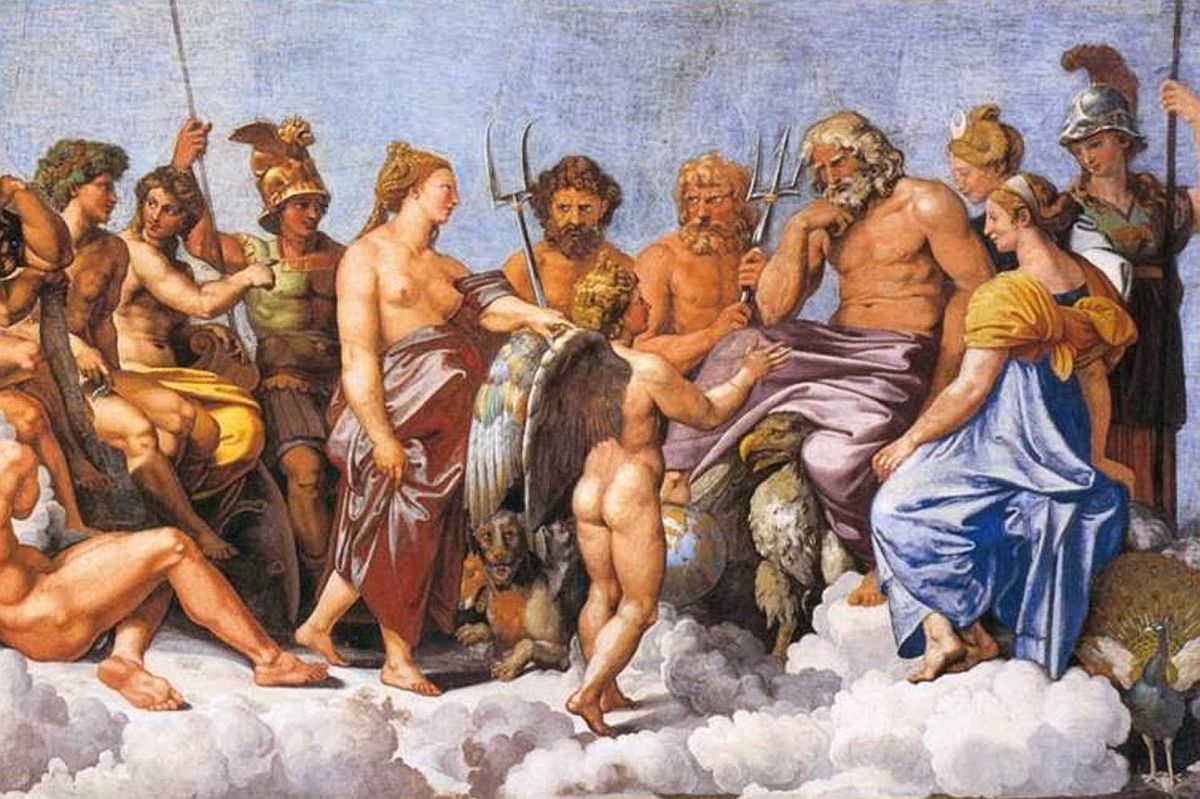
In Roman mythology, Pilumnus is a lesser-known deity associated with the concept of fertility and the protection of children. He is often considered a god of the harvest, but his role extends beyond just agriculture. Pilumnus is also linked to the well-being of newborns and the family unit. The ancient Romans held a deep reverence for various gods and goddesses, each representing different aspects of life. Pilumnus, while not as prominent as figures like Jupiter or Mars, played an essential role in the everyday lives of Roman families, especially in rural areas.
The Role of Pilumnus in Roman Society
In ancient Rome, the significance of Pilumnus can be observed in the context of family and agriculture. Families would often invoke his name during rituals aimed at ensuring the health of their children and the fertility of their crops. Pilumnus was seen as a protector, watching over the most vulnerable members of society: the young and the unborn. This connection between fertility and family life was paramount in Roman culture, where the survival and prosperity of the household depended on the favor of the gods.
 Voluptas
Furthermore, Pilumnus was associated with agricultural practices, particularly those related to the harvest. Farmers would pray to him for a bountiful yield, emphasizing the importance of divine intervention in their daily lives. The success of a harvest not only affected the family’s sustenance but also their social standing within the community. Thus, Pilumnus’s role as a fertility god intertwined with the agricultural calendar, making him a vital figure in the lives of many Romans.
Rituals and Offerings
To honor Pilumnus, various rituals and offerings were performed throughout the Roman Empire. These ceremonies often included the sacrifice of animals, grains, or fruits, which were considered valuable to both the gods and the people. Families would gather to make these offerings, demonstrating their gratitude and seeking blessings for their children and crops. The act of giving was seen as a way to maintain a harmonious relationship with the divine, ensuring that Pilumnus would favor them with his protection.
- Animal sacrifices, particularly sheep and goats, were common offerings.
- Grains, especially wheat, were often poured onto the ground as a symbol of fertility.
- Fruits, representing the harvest, were placed at altars dedicated to Pilumnus.
These rituals not only served to appease Pilumnus but also reinforced family bonds. Gathering for such ceremonies allowed families to come together, share stories, and strengthen their ties. The importance of community in Roman culture cannot be overstated, and the worship of Pilumnus played a significant role in fostering these connections.
 Pomona
Pilumnus and the Protection of Children
One of the most important aspects of Pilumnus‘s role in Roman mythology is his connection to the protection of children. Romans believed that invoking Pilumnus could help safeguard their newborns from illness and misfortune. This protective aspect made him a cherished figure among parents, who would seek his favor to ensure their children’s well-being. The birth of a child was a momentous occasion, and families took great care to honor the gods during this time.
In addition to personal prayers, some families would establish household altars dedicated to Pilumnus. These altars served as a constant reminder of his presence and protection. Parents would place small tokens or offerings at these altars, hoping to attract his attention and blessings. The belief that Pilumnus could influence the health and happiness of their children provided comfort to many Roman families, reinforcing the notion that the divine was intimately involved in their daily lives.
Symbolism and Representation
Pilumnus is often depicted with various symbols that represent his dual role as a fertility god and protector of children. Common representations include sheaves of wheat and infants. The sheaves of wheat symbolize agricultural abundance, while the presence of infants highlights his connection to family and the nurturing aspect of life. These symbols serve to remind the worshippers of the importance of both fertility and protection in their lives.
 Portunus
- Wheat symbolizes abundance and the harvest.
- Infants represent the future and the continuation of the family line.
- Household altars often included small statues or images of Pilumnus.
Artistic representations of Pilumnus can be found in various forms, including pottery, frescoes, and sculptures. These artworks not only served a decorative purpose but also played a role in educating the public about the importance of this deity. By showcasing Pilumnus in everyday settings, the Romans reinforced the idea that divine favor was accessible to all, not just the elite.
Comparisons with Other Deities
When examining Pilumnus, it is essential to consider his relationships with other deities in Roman mythology. For instance, he shares similarities with Faunus, the god of nature, and Ceres, the goddess of agriculture. Both Faunus and Ceres also emphasize fertility and the harvest, highlighting the interconnectedness of these deities in the Roman pantheon. While Pilumnus may not have had the same level of recognition as these figures, his role was nonetheless significant in the context of family and agriculture.
Additionally, Pilumnus can be compared to Greek deities, such as Dionysus and Demeter, who also represent fertility and the harvest. These comparisons reveal a broader theme in ancient mythology, where different cultures revered gods and goddesses who presided over similar aspects of life. The universal themes of fertility, protection, and family can be found across various mythologies, illustrating the shared human experience and the importance of these concepts in ancient societies.
Regional Variations and Local Worship
The worship of Pilumnus was not uniform across the Roman Empire. Different regions had their interpretations and local customs associated with this deity. In some areas, he was more closely associated with specific agricultural practices or local festivals. This regional variation demonstrates how mythology evolved and adapted to fit the needs and beliefs of local populations. Such local adaptations often resulted in unique rituals and celebrations that honored Pilumnus in ways that resonated with the community.
- In rural areas, Pilumnus was often invoked during planting and harvesting seasons.
- Urban families might focus more on his protective aspects during childbirth.
- Local festivals often featured rituals specific to the community’s agricultural practices.
This adaptability is a hallmark of Roman religion, which often incorporated elements from various cultures and traditions. As the empire expanded, so too did the worship of Pilumnus, allowing him to maintain relevance in a diverse and ever-changing society.
The Legacy of Pilumnus
Despite being a lesser-known figure in Roman mythology, Pilumnus has left a lasting legacy that reflects the values of ancient Roman society. His associations with fertility, agriculture, and the protection of children highlight the importance of these themes in the lives of the Romans. As families sought his blessings, they reinforced the notion that their well-being was tied to the favor of the gods. This relationship between the divine and the everyday life of Romans is a testament to the deeply ingrained belief in the power of the gods.
In modern times, the worship of Pilumnus may have diminished, but his significance in ancient Roman culture continues to be a subject of interest for scholars and enthusiasts of mythology. His story serves as a reminder of the ways in which ancient peoples sought to understand and influence the world around them. By studying figures like Pilumnus, we gain insight into the values and beliefs that shaped the lives of those who came before us.
Modern Interpretations and Cultural References
In contemporary culture, the themes associated with Pilumnus can still be found in various forms. Many modern practices related to fertility, childbirth, and agriculture have roots in ancient traditions. The reverence for the protective aspects of deities like Pilumnus is echoed in today’s parenting philosophies, where parents often seek guidance and support from various sources, including spiritual beliefs.
- Modern fertility rituals often draw inspiration from ancient practices.
- Childbirth is still viewed as a significant event worthy of celebration and protection.
- Agricultural festivals in some regions reflect the ancient reverence for deities like Pilumnus.
Additionally, literature and art continue to explore themes of fertility and protection, often referencing ancient mythological figures. The enduring nature of these themes illustrates the timeless human concerns that Pilumnus represented. As societies evolve, the core values associated with deities like Pilumnus remain relevant, reminding us of our shared history and the importance of family, fertility, and protection.
The exploration of Pilumnus in Roman mythology reveals a complex and multifaceted deity whose influence permeated the lives of many Romans. From his protective role over children to his significance in agriculture, Pilumnus exemplifies the intertwining of divine favor with the everyday experiences of ancient peoples. As we continue to study and reflect on these ancient beliefs, we gain a deeper understanding of the values that shaped the foundations of society and the enduring legacy of figures like Pilumnus.