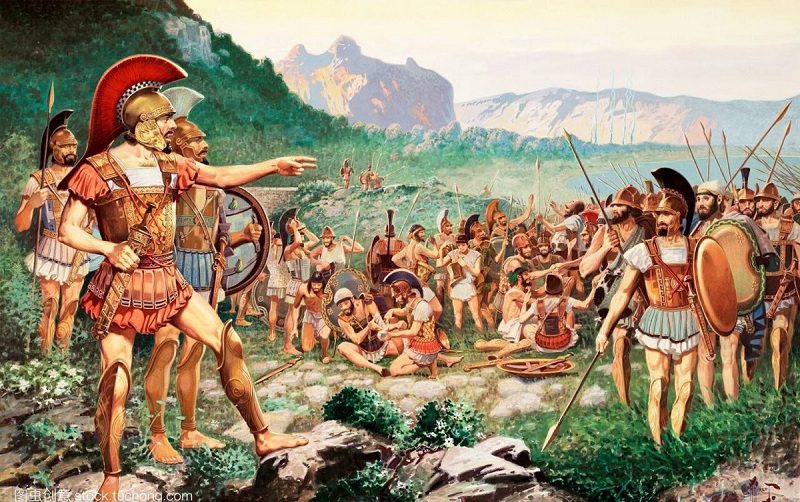
Ephialtes is a fascinating figure in Greek mythology, often associated with the themes of nightmares and the darker aspects of the human psyche. His name, which translates to “the one who leaps,” is particularly significant as it symbolizes the sudden and often disturbing nature of nightmares. In various texts and sources, Ephialtes is depicted as a malevolent spirit that invades the dreams of mortals, bringing forth terror and dread. This article delves into the various aspects of Ephialtes, exploring his origins, significance, and the cultural impact he has had throughout history.

Origins of Ephialtes
The origins of Ephialtes can be traced back to ancient Greek beliefs surrounding dreams and the subconscious. In ancient times, people attributed various meanings to their dreams, often viewing them as omens or messages from the gods. Ephialtes, as a personification of nightmares, represents the fears and anxieties that can plague individuals during their sleep. His character is often linked to the broader category of dream deities in Greek mythology, which includes figures like Morpheus and Phobetor.
In some ancient texts, Ephialtes is described as a spirit that emerges from the depths of the underworld. His appearance is often frightening, characterized by a dark and shadowy form that embodies the fears of those he visits. This connection to the underworld adds a layer of depth to his character, as it emphasizes the idea that our deepest fears often stem from the unknown and the unconscious mind. Ephialtes serves as a reminder of the struggles that individuals face when confronting their own fears and insecurities.
Ephialtes in Literature
Ephialtes appears in various works of ancient Greek literature, often as a figure that embodies the concept of fear. One of the most notable references to Ephialtes can be found in Homer’s “Iliad.” In this epic poem, he is mentioned in the context of dreams and the psychological battles faced by the heroes. The character of Ephialtes serves to illustrate the struggles of the warriors, who not only fight physical battles but also grapple with their own inner demons.
 Epimetheus
In addition to Homer, other ancient authors have referenced Ephialtes in their works. For example, in the writings of Plato, there are discussions about the nature of dreams and their impact on the human experience. Ephialtes, as a representation of nightmares, plays a crucial role in understanding how fear can influence a person’s thoughts and actions. These literary references contribute to the overall understanding of Ephialtes as a symbol of the psychological challenges faced by individuals throughout history.
Depictions in Art
The character of Ephialtes has also inspired various forms of artistic expression throughout history. Artists in ancient Greece often sought to capture the essence of mythological figures, and Ephialtes was no exception. His portrayal in visual art typically emphasizes his frightening nature, with dark colors and ominous expressions that evoke a sense of dread.
- Paintings: Many ancient Greek vases and frescoes depict scenes related to nightmares, with Ephialtes often lurking in the background, symbolizing the fear that looms over the dreamer.
- Statues: Sculptors have created representations of Ephialtes that highlight his shadowy form, further emphasizing the idea of nightmares as a looming presence in our lives.
- Theater: In ancient Greek theater, Ephialtes could be represented as a character in plays, embodying the inner turmoil of the protagonists and the fears that drive their actions.
Symbolism of Ephialtes
Ephialtes serves as a powerful symbol of fear and the psychological struggles that individuals face. In many cultures, nightmares are often seen as manifestations of anxiety, stress, or unresolved issues. Ephialtes embodies these concepts, reminding us that our fears can take on a life of their own, especially when we are vulnerable during sleep. His character serves as a cautionary tale about the importance of confronting our fears rather than allowing them to control us.
 Epione
Moreover, Ephialtes represents the idea that nightmares can serve a purpose. While they are often distressing, they can also provide insight into our subconscious thoughts and emotions. By facing the fears that Ephialtes represents, individuals may find opportunities for growth and self-discovery. This duality of nightmares as both frightening and enlightening adds complexity to the character of Ephialtes and underscores the importance of understanding our fears.
Cultural Impact of Ephialtes
The figure of Ephialtes has transcended ancient Greek mythology, influencing various aspects of culture and psychology. In modern times, the concept of nightmares has been studied extensively, with researchers exploring their causes and effects. Ephialtes, as a personification of these nightmares, serves as a reference point in discussions about the psychological implications of fear and anxiety.
In popular culture, Ephialtes has inspired various forms of media, from literature to film. His character is often reimagined as a representation of the struggles faced by individuals in contemporary society. The themes of fear, anxiety, and the battle against one’s inner demons resonate with audiences, making Ephialtes a relevant figure even in modern storytelling.
Psychological Interpretations
Psychologists have also drawn upon the figure of Ephialtes to explore the nature of nightmares and their impact on mental health. Nightmares can be linked to various psychological conditions, including anxiety disorders and post-traumatic stress disorder (PTSD). Ephialtes, as a representation of these distressing experiences, serves as a useful tool for understanding how fear manifests in our lives.
- Nightmares as coping mechanisms: Some psychologists suggest that nightmares may serve as a way for individuals to process their fears and anxieties.
- The role of dreams in therapy: Dream analysis has become a valuable tool in therapeutic settings, allowing individuals to confront and understand their fears, much like facing Ephialtes.
- Fear and resilience: Understanding the nature of nightmares can help individuals build resilience and develop coping strategies for dealing with their fears.
Ephialtes in Modern Context
In today’s world, the concept of Ephialtes can be seen in various forms of media and storytelling. The character has evolved, but the underlying themes of fear and the struggle against inner demons remain relevant. Many contemporary films, books, and video games explore the idea of nightmares and the psychological battles that individuals face, often drawing inspiration from mythological figures like Ephialtes.
Moreover, the rise of mental health awareness has led to a greater understanding of the significance of nightmares in our lives. Ephialtes can be viewed as a metaphor for the challenges that individuals encounter in their mental health journeys. By acknowledging and confronting these fears, individuals can work towards healing and personal growth.
Popular Culture References
The influence of Ephialtes can be seen in various aspects of popular culture. From literature to film, the themes of nightmares and the struggle against fear are prevalent. For example, many horror films explore the concept of nightmares, often featuring characters that embody the essence of Ephialtes. These narratives tap into the primal fear of the unknown, drawing audiences into the psychological turmoil faced by the protagonists.
- Literature: Many authors have drawn inspiration from the concept of nightmares, creating characters that embody the fears represented by Ephialtes.
- Film: Horror movies often utilize the idea of nightmares to create suspense and tension, with characters confronting their deepest fears.
- Video Games: Many video games incorporate themes of fear and nightmares, allowing players to navigate through psychological challenges that echo the struggles associated with Ephialtes.
Ephialtes is a compelling figure in Greek mythology that symbolizes the complex nature of fear and nightmares. From his origins in ancient literature to his impact on modern culture, Ephialtes serves as a reminder of the struggles individuals face when confronting their inner demons. Through understanding and acknowledging our fears, we can embark on a journey of self-discovery and resilience, ultimately finding strength in the face of adversity.