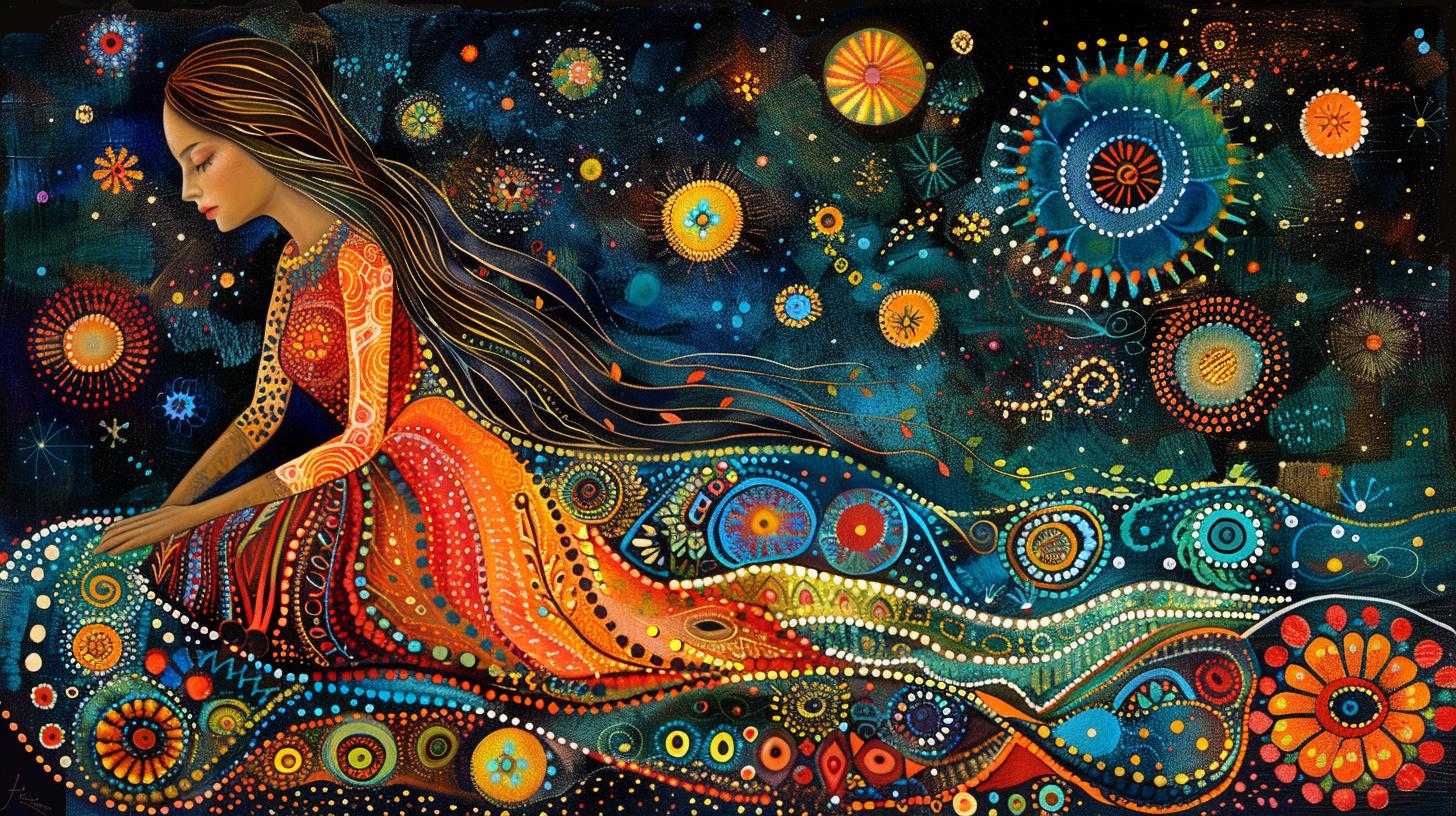
In the rich tapestry of Australian Aboriginal mythology, many stories and figures stand out for their significance and cultural importance. One such figure is Dilga, a character that embodies various elements of the natural world and spiritual beliefs. Dilga is often depicted in the tales of the Aboriginal people, serving as a bridge between the physical and spiritual realms. His stories not only entertain but also teach valuable lessons about life, respect for nature, and the interconnectedness of all living things.
The Origins of Dilga
The origins of Dilga can be traced back to the Dreamtime, a fundamental aspect of Aboriginal culture that explains the creation of the world and the laws of nature. In these ancient stories, Dilga is often portrayed as a creator figure, responsible for shaping the land and its inhabitants. According to various clans, he played a significant role in forming rivers, mountains, and other natural features. The narratives surrounding Dilga vary between different Aboriginal groups, but they all share a common theme of respect for the environment and its resources.
 Dhakhan
Many stories describe how Dilga traveled across the land, singing songs that brought life to the plants and animals he encountered. These songs are believed to have magical properties, allowing Dilga to influence the growth of crops and the behavior of wildlife. This connection to nature emphasizes the importance of harmony between humans and the environment, a recurring theme in Aboriginal mythology.
Dilga in Aboriginal Stories
Dilga’s presence is felt in numerous Aboriginal stories, each highlighting different aspects of his character. In some tales, he is depicted as a wise elder, offering guidance to those who seek it. His wisdom is often conveyed through parables that teach moral lessons, such as the importance of sharing, respect for elders, and the need to care for the land. These stories serve as a means of passing down cultural values from one generation to the next.
One popular story involves Dilga helping a group of hunters who were struggling to find food. He guided them to a hidden waterhole filled with fish and provided them with the knowledge to catch them sustainably. This story illustrates the balance that must be maintained when using natural resources, emphasizing that taking too much can lead to scarcity and hardship. Through such narratives, Dilga becomes a symbol of responsibility and sustainability.
 Darana
The Symbolism of Dilga
Dilga is rich in symbolism, representing not just a character in stories but also the very essence of the land itself. He embodies the spirit of the earth, connecting the people to their environment. In many ways, Dilga serves as a reminder of the interconnectedness of all living beings. His stories often reflect the idea that every action has consequences, and that humans must live in balance with nature.
In some interpretations, Dilga is also seen as a trickster figure, challenging the norms and encouraging people to think critically about their actions. This duality adds depth to his character, showing that he is not only a benevolent figure but also one that promotes growth through challenges and lessons. The trickster aspect of Dilga reminds us that life is full of unexpected turns, and it is essential to adapt and learn from them.
Dilga and the Land
 Daramulum
The connection between Dilga and the land is a central theme in many Aboriginal stories. As a creator figure, he is often associated with specific geographical features, such as rivers, mountains, and forests. These associations help to ground the stories in a tangible reality, making them more relatable to the people who hear them. The land becomes a living entity in these narratives, infused with the spirit of Dilga.
For example, in some stories, Dilga is said to have created a particular mountain as a resting place for the spirits of ancestors. This mountain becomes a sacred site, a place where people go to connect with their heritage and seek guidance. The reverence for such places underscores the importance of land in Aboriginal culture, where the stories of Dilga and the landscape are intertwined.
Dilga in Modern Context
In contemporary times, the stories of Dilga continue to resonate with many Australians, both Indigenous and non-Indigenous. These tales serve as a means of reconnecting with the land and understanding its significance in a modern context. As Australia faces environmental challenges, the lessons embedded in Dilga’s stories become increasingly relevant. They remind us of the importance of sustainable practices and the need to respect the natural world.
Furthermore, Dilga’s stories are being integrated into educational programs, helping to teach young people about Aboriginal culture and the environment. By sharing these narratives, educators aim to foster a sense of appreciation for the land and its history. This effort not only honors the traditions of Aboriginal people but also encourages a broader understanding of Australia’s cultural diversity.
The Role of Storytelling
Storytelling plays a crucial role in preserving the legacy of figures like Dilga. In Aboriginal culture, oral traditions are a primary means of passing down knowledge and values. Elders share stories around the campfire, creating a sense of community and connection. These gatherings allow younger generations to learn about their heritage and the lessons embedded in their culture.
Through storytelling, the character of Dilga comes alive, inspiring listeners to reflect on their own lives and their relationship with the environment. The narratives often encourage active participation, prompting individuals to think critically about their actions and the impact they have on the world around them. This interactive aspect of storytelling reinforces the idea that everyone has a role to play in maintaining the balance of nature.
Conclusion: The Legacy of Dilga
The legacy of Dilga endures through the stories, teachings, and cultural practices of Aboriginal people. His character serves as a reminder of the deep connections between humans and the natural world. As Australia continues to navigate the complexities of modern life, the wisdom of Dilga remains a guiding light, encouraging respect for the land and its resources.
As we engage with the stories of Dilga, we are invited to reflect on our own relationship with the environment. The lessons embedded in these narratives challenge us to consider our actions and their consequences. By honoring the legacy of Dilga, we contribute to a greater understanding of Aboriginal culture and the importance of living in harmony with the world around us.