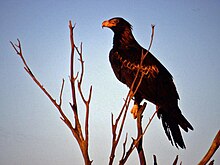
Bunjil is a significant figure in Australian Aboriginal mythology, revered as a creator spirit and a symbol of strength and wisdom. Often depicted as an eagle, Bunjil holds a special place in the hearts and minds of various Aboriginal communities, particularly among the Kulin nation in Victoria. This article delves into the rich narratives surrounding Bunjil, exploring his roles, representations, and the lessons imparted through stories passed down through generations. The understanding of Bunjil not only reflects the spiritual beliefs of Aboriginal cultures but also highlights their deep connection to the land and nature.
Origins of Bunjil
The origins of Bunjil are deeply rooted in the oral traditions of the Aboriginal people. According to various Aboriginal legends, Bunjil was born from the Dreamtime, a sacred era when the world was created. In these stories, he is often described as having the form of a large eagle or a wedge-tailed eagle. The Dreamtime is not just a historical time but a spiritual reality that continues to influence the lives of Aboriginal Australians today. The stories of Bunjil and other Dreamtime figures serve as a way to explain the creation of the world and the establishment of laws that govern the land and its people.
 Bunbulama
In many tales, Bunjil is portrayed as a creator who shaped the land and its inhabitants. He is said to have created rivers, mountains, and various animal species. His actions set the foundations for the world as it is known today. For instance, some stories suggest that Bunjil created the first humans from the clay of the earth, breathing life into them. This act of creation signifies the close relationship between the people and their environment, emphasizing the belief that all living things are interconnected.
Bunjil in Aboriginal Culture
Bunjil is not just a mythological figure; he is a vital part of Aboriginal culture and identity. The stories of Bunjil are shared through oral traditions, songs, and dances, which are crucial for maintaining cultural practices. These narratives are often told during ceremonies and gatherings, reinforcing the community’s values and beliefs. The presence of Bunjil in these stories teaches the importance of respecting nature and living in harmony with the environment.
Moreover, Bunjil is seen as a protector of the land and its people. Many Aboriginal groups believe that Bunjil watches over them, guiding them in their daily lives. His teachings often emphasize the importance of responsibility towards the land and the necessity of sustainable practices. This connection to Bunjil fosters a sense of stewardship among Aboriginal people, encouraging them to care for their environment as a way of honoring their ancestors and their cultural heritage.
 Bobbi-bobbi
Representation of Bunjil
Bunjil is commonly represented as an eagle, which symbolizes freedom, strength, and a connection to the heavens. In Aboriginal art, Bunjil is often depicted soaring through the sky, showcasing his power and majesty. These artistic representations serve not only as a tribute to Bunjil but also as a reminder of the spiritual connection between the people and the natural world. The eagle is a significant creature in many cultures, but in Aboriginal mythology, it holds a unique status as a divine messenger.
In addition to visual representations, Bunjil’s presence is felt in various cultural artifacts. For instance, totems and carvings often feature the eagle, symbolizing the community’s connection to this powerful spirit. These totems serve as reminders of the teachings and values associated with Bunjil, reinforcing the cultural identity of the Aboriginal people. Through these representations, Bunjil continues to inspire and educate future generations about their heritage and the importance of preserving their culture.
 Birrahgnooloo
Bunjil’s Teachings and Lessons
The stories of Bunjil are rich with teachings and moral lessons that have been passed down through generations. One of the primary lessons is the importance of balance in nature. Bunjil’s role as a creator and protector emphasizes the need for harmony between humans and the environment. Aboriginal stories often illustrate how the actions of individuals can impact the land and its resources. These narratives encourage respect for all living things and highlight the interconnectedness of life.
Another significant teaching associated with Bunjil is the value of community and cooperation. Many stories depict Bunjil working alongside other spirits and creatures to create and maintain the world. This collaboration is a reflection of the communal nature of Aboriginal societies, where working together is essential for survival and well-being. The narratives encourage individuals to support one another and to recognize that everyone has a role to play in the greater community.
Bunjil in Modern Context
In contemporary Australia, Bunjil continues to be a relevant figure in discussions about Aboriginal culture and identity. As awareness of Aboriginal rights and heritage grows, Bunjil’s stories are being shared more widely, allowing non-Aboriginal Australians to gain insights into Indigenous beliefs and values. This sharing of knowledge fosters greater understanding and respect for Aboriginal cultures, contributing to reconciliation efforts across the nation.
Furthermore, Bunjil has become a symbol of resistance and resilience for many Aboriginal communities. The stories of Bunjil serve as a reminder of the strength and wisdom embedded in Indigenous cultures, even in the face of challenges. Many Aboriginal people draw inspiration from Bunjil’s teachings to advocate for environmental protection and social justice. The spirit of Bunjil is alive in the movements aimed at preserving both the land and Aboriginal culture, showcasing the enduring legacy of this revered figure.
Bunjil, as a central figure in Australian Aboriginal mythology, encapsulates the profound connection between the land, its people, and the spiritual world. His stories serve as a bridge between the past and present, offering valuable lessons about respect, community, and the importance of living in harmony with nature. As Aboriginal culture continues to evolve, Bunjil remains a vital part of this narrative, inspiring future generations to honor their heritage and protect the land they hold dear.