
Khonsu, the ancient Egyptian god of the moon, is a significant figure in Egyptian mythology. He is often depicted as a youthful man with a sidelock of youth, which symbolizes his connection to the moon’s phases. Khonsu plays a vital role in the Egyptian pantheon, representing the passage of time and the cyclical nature of life. His name, which translates to “traveler,” reflects the moon’s journey across the night sky. This article explores the various aspects of Khonsu, including his origins, significance, and the myths surrounding him.
Origins of Khonsu
The origins of Khonsu can be traced back to ancient Egyptian religious beliefs, where the moon was seen as a powerful force. Khonsu is believed to be the son of Amun and Mut, two of the most important deities in the Egyptian pantheon. His family ties highlight his significance in the divine hierarchy. Amun, the king of the gods, and Mut, the mother goddess, provide Khonsu with a prestigious lineage. This connection not only elevates his status but also intertwines his identity with that of other major deities.
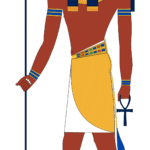 Khnum
KhnumIn ancient texts, Khonsu is often associated with Thebes, a major city in ancient Egypt. The city was a center of worship for Amun and his family. The temple of Karnak, located in Thebes, contains inscriptions and reliefs that celebrate Khonsu’s role as a lunar deity. His presence in this significant location demonstrates the importance of the moon in Egyptian cosmology and religion. As the moon governed time, it played a crucial role in agriculture, festivals, and religious observances.
Khonsu’s Appearance and Symbols
Khonsu is typically depicted as a young man wearing a lunar disk on his head, which signifies his connection to the moon. He often carries a crook and a flail, symbols of kingship and authority, emphasizing his importance among the gods. The crescent moon is another common symbol associated with Khonsu, representing the lunar phases and the passage of time. These visual elements are crucial in understanding how the ancient Egyptians viewed their gods and their attributes.
In addition to his youthful appearance, Khonsu is sometimes shown with a falcon head, similar to the god Horus. This representation highlights the connection between the moon and the sun, as both celestial bodies were crucial in the daily lives of the Egyptians. The duality of Khonsu’s nature as both a young man and a falcon emphasizes his role in the cosmos, bridging the gap between the earth and the heavens.
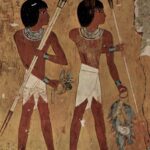 Ken
KenMythology and Legends
Khonsu appears in various myths and legends, showcasing his role as a protector and healer. One of the most famous stories involves his battle against the goddess Set, who represents chaos and disorder. In this myth, Khonsu helps to restore balance to the universe by defeating Set, thus protecting the sun god Ra during his nightly journey through the underworld. This narrative illustrates Khonsu’s importance in maintaining cosmic order and his role as a guardian of the night.
Another popular myth involves Khonsu’s ability to control time. It is said that he can manipulate the lunar phases to extend or shorten the length of the night. This power is particularly significant during the New Moon and Full Moon phases, which are important for agricultural practices and religious rituals. The Egyptians believed that Khonsu’s control over time allowed them to align their calendars with the natural cycles, ensuring successful harvests and proper observance of festivals.
 Kherty
Khonsu and Egyptian Society
Khonsu’s influence extended beyond mythology into the daily lives of the ancient Egyptians. As the god of the moon, he was associated with timekeeping and calendars, which were vital for agricultural and religious practices. The lunar calendar was used to track the cycles of planting and harvesting, ensuring that the people could make the most of the fertile land along the Nile River. Khonsu’s role in this process highlights the interconnectedness of religion and daily life in ancient Egypt.
In addition to his agricultural significance, Khonsu was also revered as a protector of the sick and a healer. Many ancient Egyptians prayed to him for health and recovery, believing that he had the power to ward off illness and bring about healing. This aspect of Khonsu’s character reflects the broader Egyptian belief in the gods’ ability to influence human affairs and the importance of divine intervention in maintaining well-being.
Worship and Temples
The worship of Khonsu was prominent in ancient Egypt, particularly in Thebes. His primary temple, known as the Temple of Khonsu, is located within the Karnak Temple complex. This temple served as a center for his worship and was a place where rituals and ceremonies dedicated to Khonsu were performed. The architecture and inscriptions within the temple provide insight into the religious practices surrounding this lunar deity.
Rituals dedicated to Khonsu often involved offerings of food, incense, and other goods. Priests would perform ceremonies to honor him, seeking his blessings for health, prosperity, and protection. The presence of Khonsu in festivals and religious observances further underscores his importance in the lives of the ancient Egyptians. His connection to the moon also made him a central figure in lunar festivals, where the changing phases of the moon were celebrated and honored.
Khonsu in Art and Literature
Khonsu’s presence in ancient Egyptian art and literature is significant. He is often depicted in reliefs and paintings alongside other gods, illustrating his importance in the pantheon. Artistic representations of Khonsu can be found in tombs, temples, and other sacred spaces, serving as a reminder of his divine influence. These artworks often capture the essence of Khonsu’s character, showcasing his youthful energy and connection to the moon.
In addition to visual art, Khonsu is mentioned in various ancient texts, including religious hymns and prayers. These texts highlight his attributes, roles, and the reverence the Egyptians held for him. Literature from this period reflects the beliefs and values of the society, providing insight into how Khonsu was perceived and worshipped. The enduring legacy of Khonsu in art and literature illustrates the lasting impact of ancient Egyptian mythology on their culture.
Legacy of Khonsu
The legacy of Khonsu continues to be felt in modern times, as interest in ancient Egyptian mythology and culture remains strong. Scholars and enthusiasts alike study the myths, art, and religious practices associated with Khonsu, seeking to understand the significance of this lunar deity. His role in the pantheon and his influence on daily life reflect the complexities of ancient Egyptian beliefs and their understanding of the cosmos.
In contemporary culture, Khonsu’s image and symbolism have inspired various forms of art, literature, and popular media. The fascination with ancient Egypt has led to a resurgence of interest in its mythology, with Khonsu often featured in books, films, and other creative works. This ongoing interest demonstrates the timeless appeal of Khonsu and the rich tapestry of stories that surround him, ensuring that his legacy endures for future generations.
Khonsu is a vital figure in Egyptian mythology, representing the moon and its influence on time and life. His origins, appearance, mythology, and worship illustrate the significance of lunar deities in ancient Egyptian culture. The legacy of Khonsu continues to resonate today, reflecting the enduring fascination with ancient Egyptian beliefs and their impact on the world.