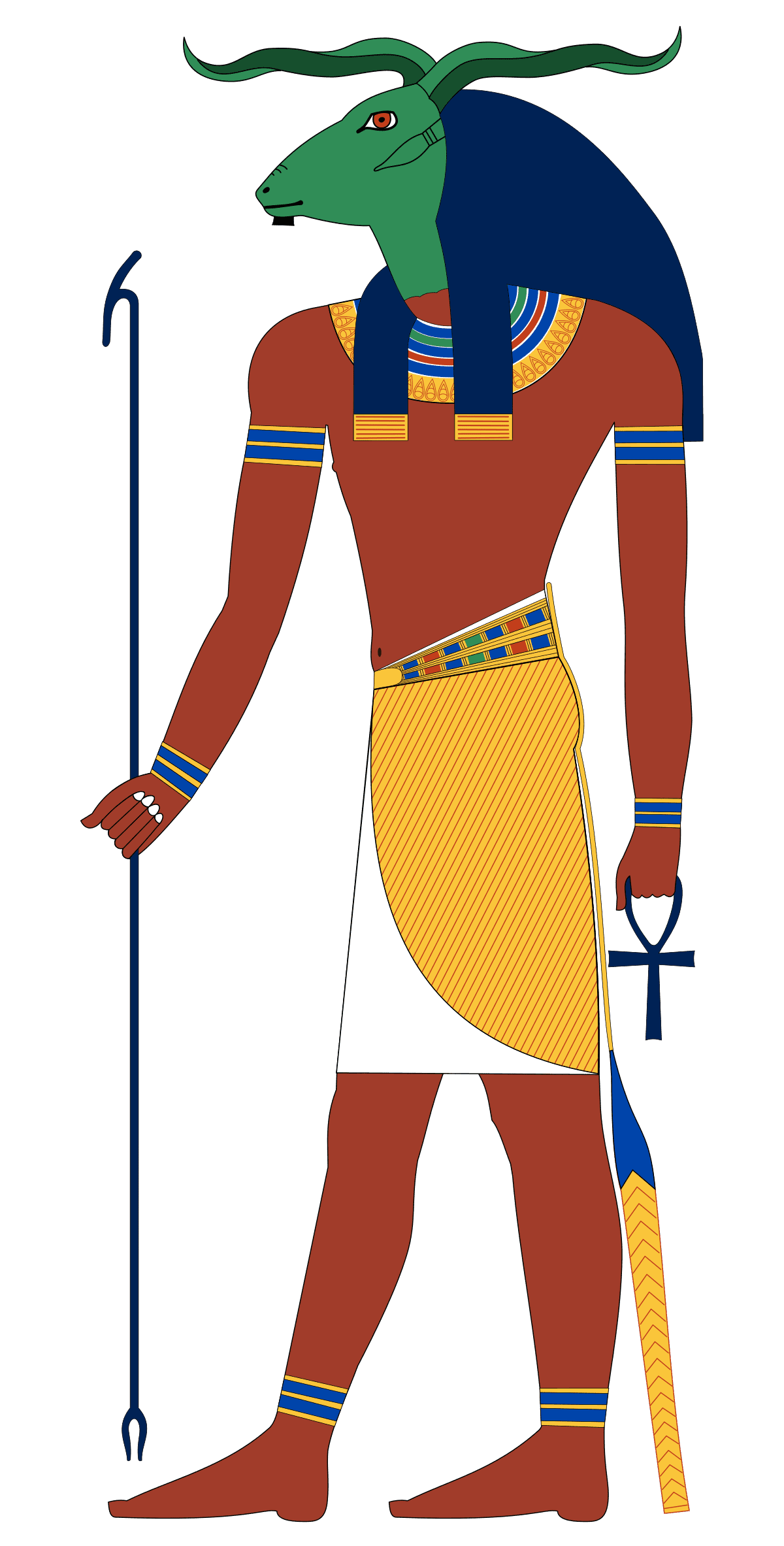
Khnum is one of the most fascinating deities in Egyptian mythology. He is often depicted as a ram-headed god, representing strength and creation. In ancient Egyptian beliefs, Khnum was not just a god but also a vital part of the creation process. His role was significant in the formation of human beings and the world around them. People believed that he molded humans from clay on his potter’s wheel, which is a powerful symbol of craftsmanship and creativity. This article will explore various aspects of Khnum, including his origins, roles, and the significance he held in ancient Egyptian culture.
Origins of Khnum
The origins of Khnum are deeply rooted in the rich tapestry of Egyptian mythology. According to various myths, he was born from the primordial waters of chaos, known as Nun. This association with water highlights his connection to creation and fertility. The ancient Egyptians believed that from these waters, Khnum emerged as a god of creation. He was often linked with the Nile River, as the river was crucial for agriculture and life in Egypt. Without the Nile’s annual flooding, crops would fail, and life would be unsustainable. Therefore, Khnum was revered as a vital deity who ensured the fertility of the land.
 Ken
KenKhnum was primarily worshipped in the region of Elephantine, which is located near the first cataract of the Nile. This area was significant because it marked the boundary between Upper and Lower Egypt. The worship of Khnum in this region highlights his importance in the daily lives of the people, especially in terms of agriculture and irrigation. Temples dedicated to Khnum were built, and rituals were performed to honor him and seek his blessings for a bountiful harvest. The strong connection between Khnum and the Nile emphasizes how intertwined the gods were with the natural world in ancient Egyptian beliefs.
Symbolism and Representation
Khnum is typically represented as a man with the head of a ram. The ram is a powerful symbol in many cultures, often associated with strength, fertility, and virility. In Egyptian mythology, the ram-headed god represents the creative forces of nature and the power of regeneration. This connection to fertility made Khnum an essential figure for the ancient Egyptians, who relied on the cycles of nature for their survival. The ram’s horns also symbolize strength and the ability to overcome obstacles, reflecting Khnum’s role as a protector and creator.
In addition to his ram-headed form, Khnum is often depicted holding a potter’s wheel, which signifies his role as a creator. The potter’s wheel is a powerful symbol of craftsmanship and the ability to shape and mold life. This imagery reinforces the idea that Khnum was not just a passive observer of creation but an active participant. He was believed to mold humans from clay, breathing life into them, which made him an essential figure in the belief system of ancient Egyptians. This act of creation was not limited to humans; Khnum was also associated with the creation of other living beings and even the world itself.
 Kherty
Khnum and the Creation Myths
Khnum plays a significant role in several creation myths within Egyptian mythology. One of the most notable myths describes how he fashioned the first humans from clay. This act of creation highlights his importance as a god of life and fertility. According to this myth, Khnum shaped the bodies of humans on his potter’s wheel, and then the other gods breathed life into them. This collaborative act of creation underscores the belief in the interconnectedness of the gods and the importance of each deity’s role in the process of life.
Another important myth involving Khnum is his association with the annual flooding of the Nile. The Nile was seen as a life-giving force, and its flooding brought fertile silt to the land, allowing crops to grow. Khnum was believed to control this cycle, ensuring that the river would flood at the right time each year. This connection between Khnum and the Nile illustrates the ancient Egyptians’ understanding of nature and their reliance on the gods to maintain the balance of life. The flooding of the Nile was not just a natural event; it was seen as a divine blessing from Khnum.
Worship and Temples
Khnum was widely worshipped in ancient Egypt, particularly in the region of Elephantine. The main temple dedicated to him was located on the island of Elephantine, where rituals and offerings were made to honor the god. The temple served as a center for worship and a place for the community to come together to celebrate their beliefs. The ancient Egyptians would offer food, drink, and other goods to Khnum in hopes of receiving his blessings for fertility and abundance.
 Khepri
The rituals performed in Khnum’s honor were elaborate and often involved music, dance, and offerings. Priests played a vital role in these ceremonies, acting as intermediaries between the people and the gods. They would invoke Khnum’s presence, asking for his favor and guidance. The community’s participation in these rituals reinforced their connection to the divine and their dependence on Khnum for a prosperous life. Festivals dedicated to Khnum were celebrated with great enthusiasm, showcasing the people’s devotion to their creator god.
Khnum in the Afterlife
In addition to his role in creation, Khnum also held significance in the context of the afterlife. He was believed to be a protector of the deceased, ensuring their safe passage into the afterlife. The ancient Egyptians placed great importance on the journey after death, and Khnum’s role as a creator extended to the creation of the soul. It was believed that he shaped the soul of the deceased, preparing them for the challenges of the afterlife.
Khnum’s connection to the afterlife is also reflected in the funerary practices of ancient Egyptians. During the mummification process, it was essential to preserve the body for the journey ahead. Khnum was invoked in these rituals, as he was seen as a guiding force for the deceased. The belief that he would protect and assist them in the afterlife provided comfort to the living, reinforcing their faith in the power of the gods. The idea that Khnum shaped their very essence gave the people hope for a successful transition into the next world.
Khnum in Modern Culture
Today, Khnum remains an intriguing figure in modern culture, particularly in the study of ancient religions and mythology. His role as a creator god resonates with contemporary themes of creativity and craftsmanship. Artists, writers, and creators often draw inspiration from ancient myths, including those of Khnum. The idea of shaping life from clay continues to be a powerful metaphor for the creative process, and many people find meaning in the symbolism associated with Khnum.
In addition to artistic inspiration, Khnum’s story is studied in academic settings, where scholars explore the significance of Egyptian mythology in understanding human culture. His character and attributes are analyzed for their insights into the values and beliefs of ancient Egyptians. The enduring legacy of Khnum serves as a reminder of the rich cultural heritage that has shaped human civilization over millennia.
Khnum, as a vital figure in Egyptian mythology, embodies the themes of creation, fertility, and protection. His origins, representations, and the myths surrounding him highlight the ancient Egyptians’ deep connection to their gods and the natural world. Worship of Khnum played a crucial role in the daily lives of the people, reflecting their reliance on divine forces for sustenance and guidance. The significance of Khnum continues to resonate today, inspiring creativity and academic inquiry into the rich tapestry of ancient mythology.