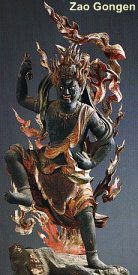
Izusan Gongen is a significant figure in Buddhist mythology, representing the intertwining of Buddhism and Shinto beliefs in Japan. This deity is revered primarily in the Izusan Shrine located in the Kanagawa Prefecture. Izusan Gongen is often associated with the sacred mountains and is considered a protector of travelers and those seeking spiritual enlightenment. The history and legends surrounding Izusan Gongen are rich and diverse, offering a glimpse into the spiritual landscape of Japan.
Origins of Izusan Gongen
The origins of Izusan Gongen can be traced back to ancient Japan when Shinto and Buddhism began to merge. This fusion created a unique spiritual environment where deities from both religions could coexist. The name “Gongen” itself means “manifestation” and signifies the idea that a deity can appear in different forms. In this context, Izusan Gongen is seen as a manifestation of various Buddhist deities, particularly Amitabha Buddha and Kannon.
 Hariti
Izusan Gongen is also linked to the Izusan Shrine, which is believed to have been established in the 8th century. The shrine is dedicated to the worship of Izusan Gongen and serves as a pilgrimage site for many devotees. The location of the shrine on the slopes of Mount Izusan adds to its significance, as mountains are often considered sacred in both Shinto and Buddhist traditions. This geographical aspect enhances the spiritual connection between the worshippers and the deity.
Legends and Myths
Numerous legends surround Izusan Gongen, each illustrating the deity’s power and benevolence. One popular myth tells the story of how Izusan Gongen protected a group of travelers who were lost in the mountains. As the travelers faced numerous challenges, they prayed to Izusan Gongen for guidance. Miraculously, a bright light appeared, leading them safely to their destination. This story emphasizes the deity’s role as a protector and guide for those who seek help in difficult times.
Another legend involves a famous monk who journeyed to the Izusan Shrine to seek enlightenment. Upon reaching the shrine, he encountered Izusan Gongen in a vision. The deity imparted wisdom and teachings that helped the monk achieve a deeper understanding of life and spirituality. This narrative highlights the importance of seeking knowledge and guidance from divine beings, showcasing Izusan Gongen as a source of enlightenment.
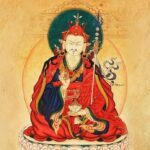 Padmasambhava
Iconography and Symbolism
Izusan Gongen is often depicted in various forms, each representing different aspects of the deity’s nature. Common iconography includes a figure adorned in traditional robes, holding symbolic items such as a staff or a lotus flower. These items represent authority, guidance, and purity, reflecting the qualities associated with Izusan Gongen. The lotus flower, in particular, symbolizes spiritual awakening and the potential for growth even in challenging environments.
Additionally, the imagery of mountains is prevalent in representations of Izusan Gongen. Mountains are revered in Japanese culture as places where the divine meets the earthly realm. They are seen as sacred spaces for meditation and reflection. The connection between Izusan Gongen and mountains underscores the deity’s role in providing a spiritual pathway for those who seek enlightenment.
Cultural Significance
Izusan Gongen holds a vital place in Japanese culture, particularly in the context of pilgrimage and spiritual practices. The Izusan Shrine attracts thousands of visitors each year, many of whom come to pay their respects and seek blessings from the deity. The shrine’s annual festivals are significant cultural events, featuring rituals, prayers, and offerings to honor Izusan Gongen. These celebrations foster a sense of community among worshippers and highlight the enduring relevance of this deity in contemporary society.
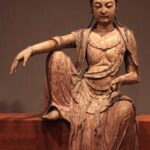 Guanyin
The teachings and stories associated with Izusan Gongen also contribute to the broader understanding of Japanese spirituality. They emphasize values such as compassion, guidance, and the pursuit of knowledge. These principles resonate with both Buddhist and Shinto teachings, reinforcing the interconnectedness of these two religious traditions. The stories of Izusan Gongen continue to inspire individuals on their spiritual journeys, encouraging them to seek enlightenment and connection with the divine.
Modern Interpretations
In modern times, the figure of Izusan Gongen has been reinterpreted in various ways. Some artists and writers draw upon the legends and symbolism associated with the deity to create new works that reflect contemporary spiritual themes. This reinterpretation often emphasizes the relevance of ancient wisdom in today’s fast-paced world. For instance, the themes of guidance and protection are particularly resonant in a society that faces constant change and uncertainty.
Furthermore, the practice of pilgrimage to the Izusan Shrine has evolved, with many individuals using their visits as opportunities for personal reflection and growth. This modern approach to spirituality often incorporates elements of mindfulness and meditation, aligning with the teachings of Izusan Gongen. By embracing these practices, individuals can connect with the divine in a way that feels meaningful and relevant to their lives.
Rituals and Practices
Visitors to the Izusan Shrine often engage in various rituals to honor Izusan Gongen and seek blessings. One common practice is the offering of omikuji, or fortune slips, which are drawn at the shrine. These slips provide insights and guidance, allowing worshippers to reflect on their personal journeys. The act of drawing omikuji is not only a way to seek fortune but also serves as a moment of introspection and connection with the divine.
- Praying at the main hall of the shrine.
- Making offerings of rice or sake.
- Participating in seasonal festivals held at the shrine.
Additionally, the shrine hosts seasonal festivals that celebrate Izusan Gongen and his significance. These festivals often include traditional music, dance, and food, creating a vibrant atmosphere that brings the community together. During these events, participants may engage in rituals that express gratitude for the blessings received and seek continued protection and guidance from the deity.
Influence on Art and Literature
Izusan Gongen has also made a significant impact on art and literature throughout Japanese history. Artists have depicted the deity in various forms, capturing the essence of his teachings and the beauty of the natural landscapes associated with him. These artistic representations often serve as a means of conveying spiritual messages and inspiring reflection among viewers.
In literature, stories about Izusan Gongen have been passed down through generations, preserving the rich mythology surrounding the deity. These narratives often explore themes of spirituality, growth, and the relationship between humans and the divine. They serve as a reminder of the importance of seeking wisdom and understanding in one’s life journey.
Izusan Gongen in Contemporary Society
In contemporary society, Izusan Gongen continues to hold relevance for many individuals seeking spiritual connection. The values embodied by the deity, such as compassion, guidance, and protection, resonate with people navigating the complexities of modern life. Many individuals find solace in the teachings associated with Izusan Gongen, using them as a source of inspiration in their daily lives.
The growing interest in spirituality and mindfulness practices has also led to a resurgence in the appreciation of traditional deities like Izusan Gongen. As people seek to reconnect with their cultural roots, the stories and teachings of this deity offer a pathway to understanding oneself and the world. This renewed interest fosters a sense of community among those who share similar spiritual aspirations, further enhancing the cultural significance of Izusan Gongen.
Izusan Gongen stands as a powerful symbol of the convergence of Buddhism and Shinto in Japan. Through his rich mythology, cultural significance, and modern interpretations, this deity continues to inspire individuals on their spiritual journeys. The legends, rituals, and teachings associated with Izusan Gongen serve as reminders of the importance of seeking guidance and connection with the divine in an ever-changing world.