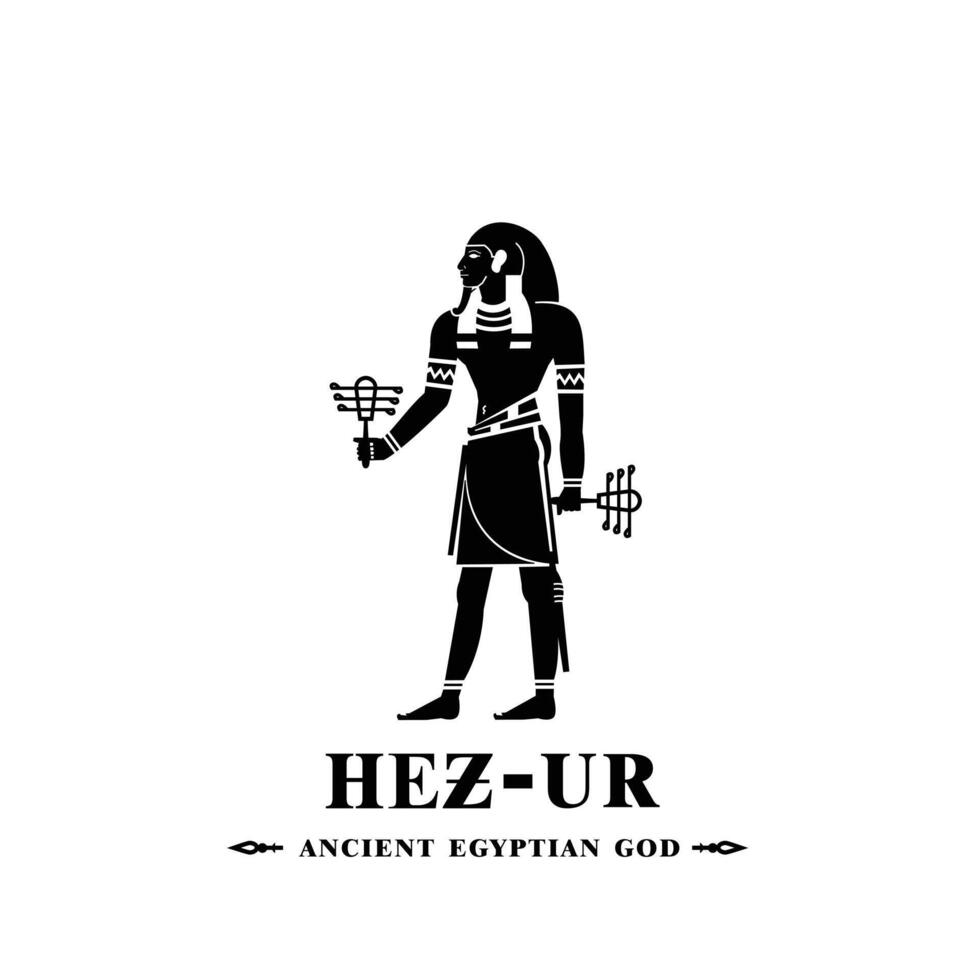
Hez-ur is a fascinating figure in Egyptian mythology, known primarily as a protective deity associated with the realm of the dead and the afterlife. This deity is often depicted in the form of a falcon, symbolizing strength and vigilance. The mythology surrounding Hez-ur emphasizes the importance of protection and guidance in the journey through the afterlife, which was a central theme in ancient Egyptian beliefs. This article delves into the various aspects of Hez-ur, exploring his origins, attributes, and significance within the broader context of Egyptian mythology.
Origins of Hez-ur
The origins of Hez-ur can be traced back to the rich tapestry of ancient Egyptian religion, where gods and goddesses played a vital role in the daily lives of the people. Hez-ur is often associated with the Osirian myth, which revolves around the death and resurrection of Osiris, the god of the afterlife. In this context, Hez-ur serves as a guardian figure, ensuring that souls are protected during their transition to the afterlife. His name itself translates to “the one who is strong,” highlighting his role as a powerful protector.
In the pantheon of Egyptian deities, Hez-ur is often linked to other gods, particularly Horus, the falcon-headed god of the sky. This connection emphasizes the themes of protection and vigilance, as Horus was known for safeguarding the living and the dead alike. As a result, Hez-ur embodies the qualities of both strength and guidance, making him a significant figure in the mythology surrounding death and the afterlife.
Attributes and Symbolism
Hez-ur is characterized by several key attributes that underscore his role in Egyptian mythology. One of the most notable features is his falcon-like appearance, which symbolizes keen eyesight and the ability to oversee vast territories. This aspect of his representation aligns with the belief that falcons could soar high above the earth, providing a watchful eye over both the living and the dead. The falcon also embodies the idea of ascension, a theme that resonates with the journey of the soul after death.
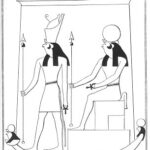 Heru-behutet
Another important aspect of Hez-ur’s symbolism is his connection to the afterlife. As a protective deity, Hez-ur is often depicted alongside other deities associated with the dead, such as Anubis, the god of mummification, and Osiris, the ruler of the underworld. This association highlights the collaborative nature of the divine realm in guiding and protecting souls as they navigate the challenges of the afterlife. Hez-ur’s role as a guardian emphasizes the belief that the journey to the afterlife is fraught with dangers, and the presence of protective deities is essential for a safe passage.
Mythological Stories Involving Hez-ur
Hez-ur appears in various mythological stories that illustrate his protective qualities and the significance of his role in the afterlife. One prominent tale involves the journey of a soul through the underworld, where it faces numerous trials and tribulations. In this narrative, Hez-ur is called upon to provide guidance and protection, ensuring that the soul remains safe from malevolent forces that seek to hinder its progress. This story underscores the belief in the necessity of divine intervention during the afterlife journey.
Another important myth featuring Hez-ur centers around the concept of judgment after death. In this tale, souls must undergo a trial before Osiris, where their hearts are weighed against the feather of Ma’at, the goddess of truth and justice. Hez-ur plays a crucial role in this process, acting as a guide who helps the deceased navigate the complexities of judgment. His presence signifies the importance of integrity and the protection of the soul during this pivotal moment, reinforcing the idea that divine assistance is vital in the face of judgment.
 Hershef
Worship and Rituals
The worship of Hez-ur was intertwined with various rituals and practices aimed at honoring the dead and ensuring a safe passage to the afterlife. Ancient Egyptians believed that invoking Hez-ur’s name during funerary rites would provide the deceased with the necessary protection and guidance. This practice often involved the recitation of prayers and the offering of gifts to appease the deity, thereby securing his favor for the soul’s journey.
- Funeral Processions: Rituals often included elaborate funeral processions where Hez-ur was invoked to protect the deceased.
- Offerings: Offerings of food, incense, and symbolic items were made to honor Hez-ur.
- Prayers: Specific prayers and hymns were recited to seek the deity’s guidance for the soul.
In addition to funerary practices, Hez-ur was also invoked during various festivals dedicated to the dead. These celebrations served as communal gatherings where families would honor their ancestors and seek blessings for the departed. Such rituals reinforced the belief that the deceased remained an integral part of the community, and Hez-ur’s protective presence ensured their safe passage to the afterlife.
Hez-ur in Art and Iconography
The representation of Hez-ur in art and iconography provides valuable insights into his significance within Egyptian mythology. He is often depicted as a falcon, sometimes with a human body, adorned with symbols of protection and strength. This imagery serves to remind the living of the importance of safeguarding the souls of the departed and the role of deities in the afterlife.
In tomb paintings and reliefs, Hez-ur is frequently shown in scenes depicting the judgment of the dead, standing alongside other deities who assist in the weighing of the heart. His presence in these artworks highlights the collaborative efforts of the divine realm in ensuring the safety and well-being of the deceased. Such representations not only serve a decorative purpose but also convey the deep-seated beliefs of ancient Egyptians regarding the afterlife and the importance of divine protection.
Comparative Analysis with Other Deities
Hez-ur shares several similarities with other deities in Egyptian mythology, particularly those associated with the afterlife. One notable comparison is with Anubis, the god of mummification and the protector of graves. Both deities play essential roles in guiding and safeguarding souls during their journey through the underworld. While Anubis is primarily concerned with the mummification process and the preservation of the body, Hez-ur focuses on the spiritual protection of the soul, emphasizing the multifaceted nature of divine roles in the afterlife.
Another deity worth comparing is Horus, who, like Hez-ur, is often depicted as a falcon. Horus is primarily known as the god of the sky and kingship, symbolizing protection over the living. The duality of their roles highlights the interconnectedness of life and death in Egyptian belief systems. While Horus protects the living, Hez-ur extends that protection to the dead, ensuring that their journey is secure and guided.
Modern Interpretations and Influence
In modern times, the figure of Hez-ur continues to captivate the interest of scholars, historians, and enthusiasts of Egyptian mythology. His role as a protector of souls resonates with contemporary themes of guidance and support during difficult transitions. Many people find comfort in the ancient beliefs surrounding Hez-ur, viewing him as a symbol of strength and resilience in the face of life’s challenges.
Additionally, the exploration of Hez-ur in literature, art, and popular culture has contributed to a renewed interest in Egyptian mythology as a whole. His stories and attributes are often referenced in various forms of media, from books to films, showcasing the timeless appeal of these ancient narratives. By bringing attention to figures like Hez-ur, modern interpretations help preserve the rich cultural heritage of ancient Egypt and its profound beliefs about life, death, and the afterlife.
Hez-ur stands as a significant figure in Egyptian mythology, embodying the themes of protection, guidance, and the complexities of the afterlife. His origins, attributes, and the stories surrounding him highlight the importance of divine intervention in the journey of the soul. Through rituals, art, and modern interpretations, Hez-ur continues to be a source of fascination and inspiration, reminding us of the enduring legacy of ancient Egyptian beliefs.