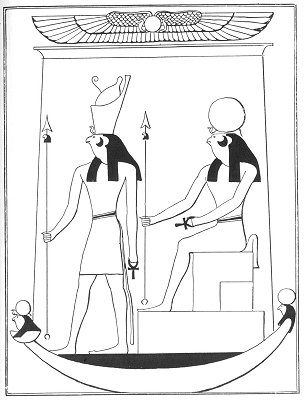
Heru-behutet, often recognized as a significant deity in Egyptian mythology, is a fascinating figure that embodies various aspects of ancient Egyptian beliefs. Known primarily as the Horus of the Horizon, Heru-behutet is associated with the rising sun and is often depicted in contexts that symbolize renewal and rebirth. This god has been an essential part of the Egyptian pantheon, representing not only the sky and kingship but also the intricate relationship between the divine and the earthly realms. In this article, we will explore Heru-behutet’s origins, attributes, and significance in the broader context of Egyptian mythology.
Origins of Heru-behutet
The origins of Heru-behutet can be traced back to ancient Egyptian religious practices and texts. This deity is often seen as an extension of Horus, one of the most celebrated gods in Egyptian mythology. Horus, the son of Osiris and Isis, is commonly depicted as a falcon or as a man with a falcon head. The term “Heru” itself means “Horus” in the ancient Egyptian language, while “behutet” translates to “the horizon.” Together, these elements create a powerful symbol of divinity that reflects the importance of the sky and the sun in Egyptian cosmology.
 Hershef
Heru-behutet’s identity is closely tied to the concept of the duat, or the Egyptian underworld. In this context, he represents the dawn, the time when the sun rises and brings light to the world. This aspect of Heru-behutet emphasizes the cycle of life, death, and rebirth, which is a central theme in Egyptian belief systems. The ancient Egyptians viewed the horizon as a sacred boundary between the earthly realm and the divine, making Heru-behutet a crucial figure in their spiritual understanding.
Attributes and Symbols
Heru-behutet is characterized by several key attributes and symbols that highlight his significance in Egyptian mythology. One of the most notable symbols associated with this deity is the falcon. The falcon represents not only the sky but also the sharp vision and power that Horus embodies. This bird is often depicted soaring high above the earth, symbolizing the divine oversight that Heru-behutet has over the world and its inhabitants.
 Heptet
Another important symbol linked to Heru-behutet is the sun disk, which is often shown resting on the head of the falcon. This sun disk represents the sun’s life-giving energy and its role in the daily cycle of life. The rising sun is a powerful metaphor for renewal and the promise of a new day, which is central to Heru-behutet’s identity. The sun disk also connects him to the idea of kingship, as the pharaohs were often considered to be the living embodiment of Horus on earth.
Key Symbols of Heru-behutet
- Falcon: Represents divine oversight and power.
- Sun Disk: Symbolizes life-giving energy and renewal.
- Horizon: The sacred boundary between the earthly and divine realms.
Heru-behutet in Egyptian Mythology
In the rich tapestry of Egyptian mythology, Heru-behutet occupies a unique position. He is often invoked in rituals and prayers that seek protection and guidance from the divine. His role as the Horus of the Horizon emphasizes the importance of the sun’s journey across the sky, which was seen as a metaphor for the soul’s journey through life and the afterlife. This connection to the cycle of life makes Heru-behutet a vital figure in funerary practices and beliefs about the afterlife.
Heru-behutet is frequently mentioned in various Egyptian texts, including the Pyramid Texts and the Book of the Dead. These ancient scriptures often depict him as a guardian of the dead, guiding souls through the challenges they face in the afterlife. His presence in these texts highlights his protective qualities and reinforces his role as a mediator between the divine and the mortal worlds.
 Henet
HenetWorship and Temples
The worship of Heru-behutet was an integral part of ancient Egyptian religious life. Temples dedicated to this deity were often constructed in strategic locations that emphasized his connection to the horizon and the sun. These temples served as places of worship and pilgrimage, where devotees could come to seek blessings and protection from the god. The rituals performed in these temples were designed to honor Heru-behutet and to invoke his power over the forces of nature and the afterlife.
In addition to formal temples, Heru-behutet was also worshipped in household shrines. Families would create small altars dedicated to the god, where they could offer prayers and make offerings in hopes of gaining his favor. This personal aspect of worship allowed individuals to connect with the divine on a more intimate level, reinforcing the belief that Heru-behutet was actively involved in their daily lives.
Key Aspects of Worship
- Temples: Built to honor Heru-behutet and serve as places of worship.
- Rituals: Conducted to invoke the god’s power and protection.
- Household Shrines: Personal altars for intimate worship and offerings.
Heru-behutet and Kingship
The connection between Heru-behutet and kingship is a significant aspect of his mythology. In ancient Egypt, the pharaoh was seen as the earthly embodiment of Horus, which inherently linked the ruler to the divine. Heru-behutet’s role as the Horus of the Horizon reinforces the idea that the pharaoh was not only a political leader but also a spiritual figure who governed with the authority granted by the gods. This divine right to rule was a cornerstone of Egyptian society and governance.
Pharaohs would often depict themselves alongside Heru-behutet in their tombs and temples, emphasizing their connection to the deity. This association was meant to legitimize their rule and demonstrate their divine favor. The imagery of Heru-behutet in royal iconography served as a reminder to the people that their leader was under the protection of a powerful god, ensuring stability and prosperity in the kingdom.
Heru-behutet in Art and Iconography
Art and iconography play a crucial role in understanding Heru-behutet’s significance in Egyptian culture. Artistic representations of this deity often showcase him as a falcon, sometimes adorned with the sun disk and other symbols of divinity. These images were not merely decorative; they served as powerful reminders of the god’s presence and influence in the lives of the ancient Egyptians.
In addition to traditional depictions, Heru-behutet also appears in various mythological scenes, often interacting with other gods and goddesses. These scenes highlight his importance in the cosmic order and his role as a protector of the pharaoh and the people. The artistry associated with Heru-behutet reflects the broader themes of rebirth, protection, and the eternal cycle of life that are central to Egyptian mythology.
Artistic Themes
- Falcon Imagery: Represents divine oversight and power.
- Mythological Scenes: Show interactions with other deities.
- Symbolism of Rebirth: Emphasizes the cycle of life and renewal.
Legacy of Heru-behutet
The legacy of Heru-behutet continues to be felt in various ways, even in modern times. The fascination with Egyptian mythology has led to a renewed interest in the gods and goddesses of ancient Egypt. Heru-behutet, as a representation of the rising sun and the eternal cycle of life, serves as a powerful symbol of hope and renewal. His story is a reminder of the deep connections that ancient Egyptians had with the natural world and the cosmos.
Furthermore, Heru-behutet’s influence can be seen in contemporary interpretations of Egyptian mythology, art, and literature. The themes associated with this deity, such as kingship, protection, and rebirth, resonate with universal human experiences and continue to inspire artists, writers, and scholars alike. As we delve deeper into the rich tapestry of Egyptian mythology, Heru-behutet remains a vital figure, representing the enduring power of the ancient beliefs that shaped one of the world’s most fascinating civilizations.