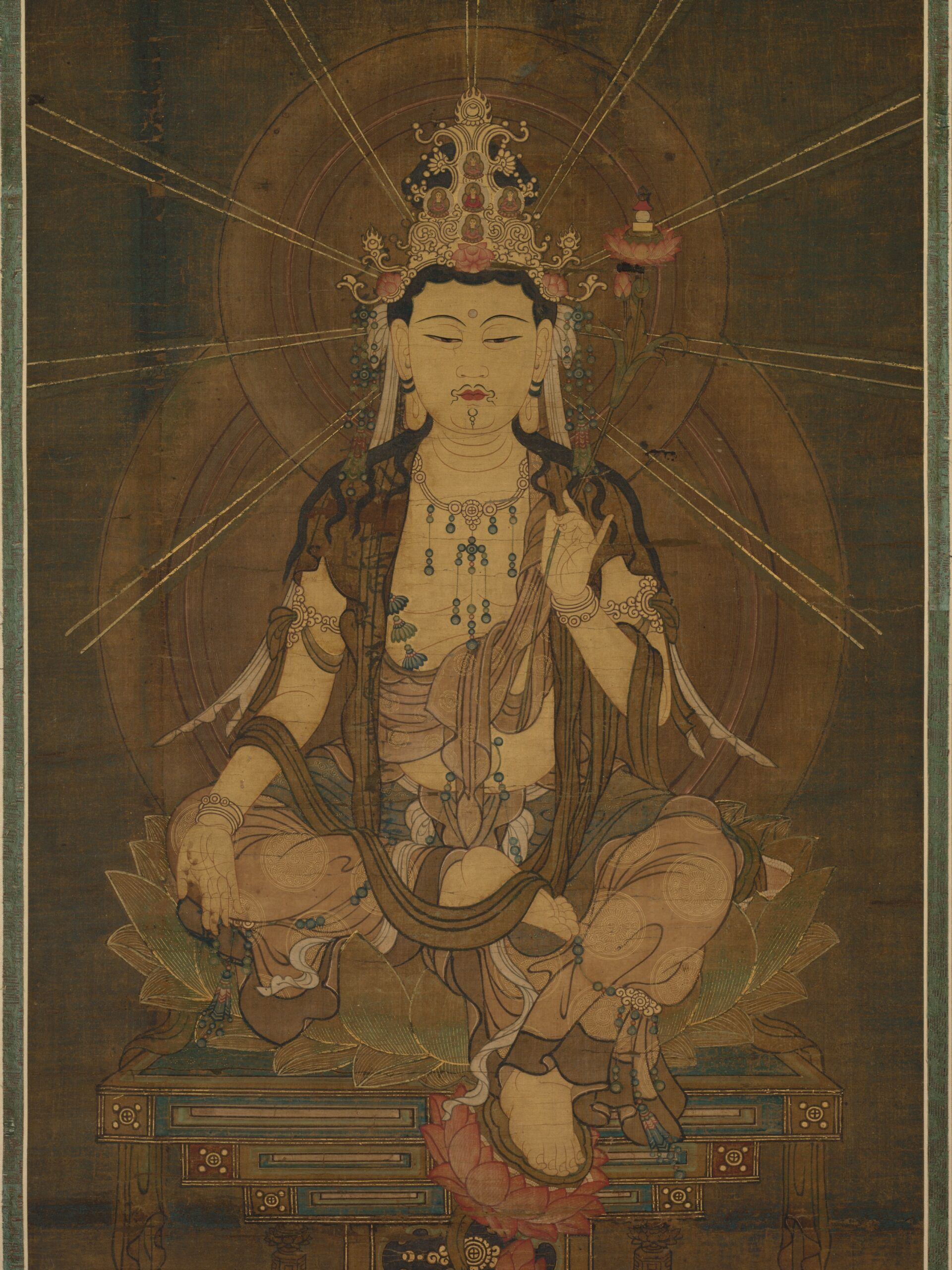
Miroku, also known as Maitreya, is a significant figure in Buddhist mythology. He is often regarded as the future Buddha who will appear on Earth, achieve enlightenment, and teach the pure Dharma. Miroku’s teachings and stories are deeply rooted in various Buddhist traditions, and he is revered in many cultures across Asia. His name signifies a sense of hope and renewal, as he represents the future promise of enlightenment for all beings. In this article, we will explore the life, significance, and teachings of Miroku, delving into his role within Buddhist beliefs and practices.
The Origins of Miroku
The origins of Miroku can be traced back to ancient Buddhist texts. The most notable among these is the Lalitavistara Sutra, which outlines the life of the Buddha and includes prophecies about Miroku. According to these texts, Miroku is believed to reside in the Tushita Heaven, where he waits for the right time to descend to Earth. This prophecy emphasizes the cyclical nature of time in Buddhism, where the teachings of the Buddha are not seen as final but rather as part of an ongoing process of spiritual evolution.
 Milo Fo
Miroku’s existence is not just a promise for the future; it is also a reflection of the teachings of the historical Buddha, Siddhartha Gautama. The idea that a future Buddha will come to guide sentient beings resonates deeply with the core principles of Buddhism. This belief fosters a sense of continuity in the spiritual journey, reassuring practitioners that enlightenment is achievable and that guidance will always be available.
Miroku in Different Buddhist Traditions
Miroku is venerated in various Buddhist traditions, each interpreting his role and significance in unique ways. In Mahayana Buddhism, Miroku is often depicted as a benevolent figure who embodies compassion and wisdom. He is usually represented as a smiling, plump monk, symbolizing abundance and happiness. This portrayal reflects the belief that Miroku will bring joy and prosperity when he arrives on Earth.
 Maya
MayaIn contrast, Theravada Buddhism does not emphasize the figure of Miroku as much as Mahayana does. Instead, Theravada practitioners focus on the teachings of the historical Buddha and the path to enlightenment through personal effort. However, the concept of future Buddhas still exists in their texts, albeit with less emphasis on Miroku specifically.
The Iconography of Miroku
The iconography of Miroku is rich and varied, reflecting his significance in Buddhist art and culture. He is often depicted in a seated position, symbolizing his readiness to teach. His physical appearance typically includes a round face, a serene expression, and a large belly, which signifies abundance and the fulfillment of desires. The imagery associated with Miroku serves to inspire hope and faith among practitioners.
Many statues and paintings of Miroku can be found in temples and homes across Asia. These representations often include symbols such as a stupa or a lotus flower, both of which hold deep spiritual meanings in Buddhism. The stupa symbolizes enlightenment and the path to liberation, while the lotus flower represents purity and spiritual awakening. Together, these symbols enhance Miroku’s role as a guide for those seeking enlightenment.
 Marishi-ten
Miroku’s Teachings
Miroku’s teachings emphasize the importance of compassion, kindness, and the pursuit of enlightenment. One of the central tenets of Miroku’s philosophy is the idea that every sentient being has the potential for enlightenment. This belief encourages individuals to cultivate their inner qualities and strive for personal growth. Miroku’s teachings remind practitioners that the journey to enlightenment is not solely about individual effort but also about helping others along the way.
Another significant aspect of Miroku’s teachings is the concept of universal love. He encourages followers to develop a compassionate heart, extending love and kindness to all beings, regardless of their circumstances. This message resonates with the core Buddhist principle of interconnectedness, where the well-being of one is tied to the well-being of all. By fostering a sense of community and compassion, Miroku’s teachings inspire individuals to work together towards a more harmonious world.
Miroku and the Concept of Time
The concept of time in Buddhism is often viewed as cyclical rather than linear. Miroku embodies this idea, as he is prophesied to appear in the future, bringing with him a new era of spiritual awakening. This cyclical understanding of time reflects the Buddhist belief in impermanence and the continuous nature of existence. Miroku’s eventual arrival signifies a renewal of spiritual teachings and practices, allowing individuals to reconnect with the essence of Buddhism.
The anticipation of Miroku’s arrival also serves to motivate practitioners to engage in their spiritual practices. By recognizing the importance of the present moment, individuals are encouraged to cultivate mindfulness and compassion in their daily lives. This practice not only prepares them for Miroku’s future teachings but also enhances their current spiritual journey.
Miroku in Popular Culture
Miroku’s influence extends beyond religious texts and practices; he has also made his mark in popular culture. Various forms of media, including literature, film, and anime, have depicted Miroku and his teachings. These portrayals often emphasize his role as a benevolent figure who brings hope and joy to the world. Through these representations, Miroku’s message of compassion and enlightenment reaches a wider audience, inspiring individuals from all walks of life.
In anime, for instance, Miroku is often portrayed as a wise and humorous character who guides the protagonists on their journeys. His presence serves to remind viewers of the importance of kindness and the pursuit of enlightenment. This popularization of Miroku helps to keep his teachings alive in contemporary society, ensuring that his message continues to resonate with new generations.
The Significance of Miroku Today
In today’s fast-paced world, the teachings of Miroku remain relevant and essential. His emphasis on compassion and the potential for enlightenment serves as a guiding light for individuals seeking meaning and purpose in their lives. The concept of Miroku encourages practitioners to look beyond their personal struggles and extend kindness to others, fostering a sense of community and interconnectedness.
Moreover, Miroku’s teachings remind us of the importance of patience and perseverance in our spiritual journeys. Just as Miroku awaits the right time to descend to Earth, individuals are encouraged to recognize that personal growth and enlightenment take time. This understanding can alleviate feelings of frustration and impatience, allowing practitioners to embrace their unique paths with a sense of peace.
Conclusion: The Legacy of Miroku
The legacy of Miroku is one of hope, compassion, and the promise of enlightenment. His teachings continue to inspire individuals across cultures and traditions, reminding us of the interconnectedness of all beings. As we navigate the complexities of modern life, the wisdom of Miroku serves as a guiding force, encouraging us to cultivate kindness, mindfulness, and a deep sense of community. The anticipation of Miroku’s arrival also instills a sense of purpose in our spiritual practices, motivating us to strive for personal growth while uplifting those around us.
Miroku is more than just a future Buddha; he embodies the essence of Buddhist teachings and serves as a beacon of hope for all. His story, teachings, and iconography continue to inspire and guide practitioners on their spiritual journeys, ensuring that the message of compassion and enlightenment remains alive and relevant in today’s world.