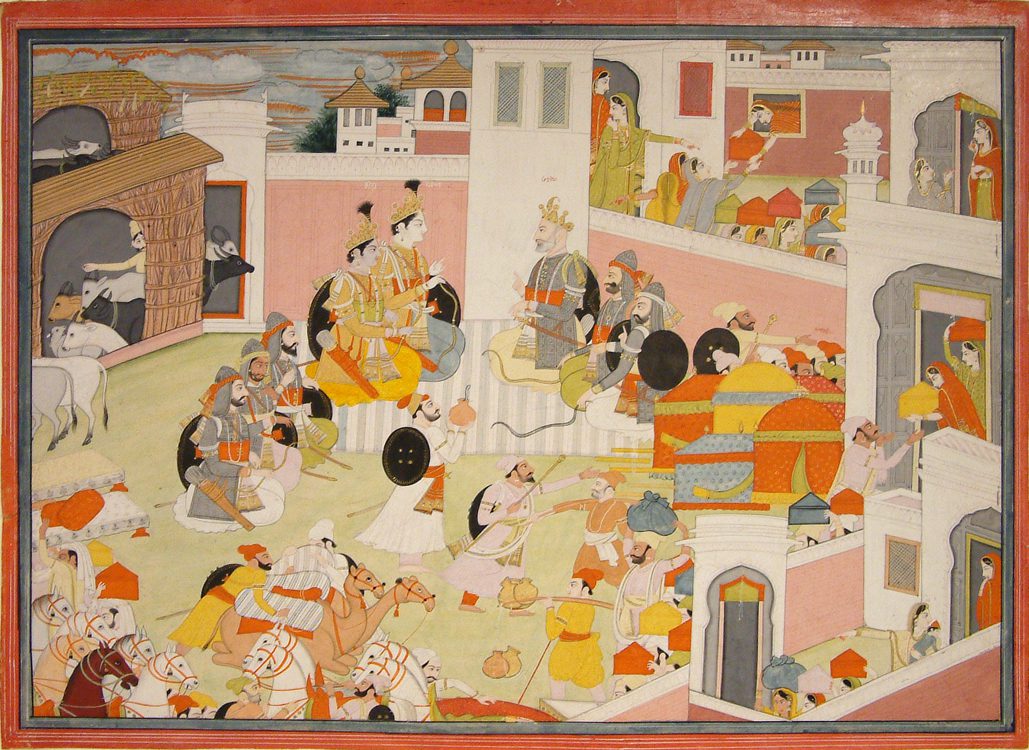
Ugrasena is a significant figure in Hindu mythology, particularly known for his role in the epic narratives of the Mahabharata and the stories surrounding Lord Krishna. He is depicted as a powerful king of the Yadava clan, which is famously associated with Krishna. Ugrasena is often portrayed as a wise and just ruler, embodying the values of leadership and strength. His lineage and actions are critical in understanding the dynamics of the Yadava clan and the larger conflicts that arise within the Mahabharata. This article explores various aspects of Ugrasena’s life, his relationships with other characters, and his contributions to the mythological landscape of Hinduism.
Ugrasena’s Lineage and Background
The story of Ugrasena begins with his lineage. He is the son of King Sura, the ruler of the Yadavas. The Yadava clan is one of the prominent clans in Hindu mythology, known for their strength and valor. Ugrasena’s lineage plays a crucial role in the epic tales of Krishna, as many key characters are connected to him. His father, Sura, was also a significant figure, and the values imparted to Ugrasena shaped his character as a leader. Ugrasena’s connection to the divine is evident, as he is part of the lineage that ultimately leads to the birth of Lord Krishna, who is considered an avatar of Vishnu.
 Tvashtri
Ugrasena’s mother, Marisha, also contributes to his noble upbringing. She instilled in him the virtues of compassion and justice, which would later define his rule. The upbringing of Ugrasena is a blend of strength, valor, and wisdom. This combination made him a formidable leader among the Yadavas. His birth and upbringing set the stage for his later interactions with other key figures in Hindu mythology, including his eventual conflicts with Kansa, his own nephew. The familial ties and rivalries are essential themes in the stories surrounding Ugrasena.
The Rule of Ugrasena
Ugrasena’s reign as king of the Yadavas is marked by peace and prosperity. He is often depicted as a ruler who prioritizes the well-being of his people. Under his leadership, the Yadava kingdom flourished. Ugrasena is known for his just governance, and he made decisions that were in the best interest of his subjects. His ability to maintain harmony among the various factions within the Yadava clan is a testament to his leadership skills. Ugrasena’s rule is characterized by a strong sense of justice, and he is revered as a wise king who listened to the grievances of his people.
However, Ugrasena’s rule is not without challenges. The most significant challenge comes from his nephew, Kansa. Kansa, who is power-hungry and ambitious, usurps the throne from Ugrasena. This act of treachery sets off a series of events that lead to conflict within the Yadava clan. Despite being dethroned, Ugrasena remains a respected figure. His character is such that he does not seek revenge against Kansa but instead focuses on finding a way to restore peace and justice in his kingdom. This aspect of Ugrasena’s character highlights the importance of forgiveness and righteousness in Hindu mythology.
 Trinâvarta
The Relationship with Krishna
The relationship between Ugrasena and Lord Krishna is central to understanding his character and legacy. Krishna, being the son of Ugrasena’s daughter Devaki, holds a special place in Ugrasena’s heart. The bond between them transcends the typical grandfather-grandson relationship, as Krishna is also seen as a protector and a savior. Ugrasena’s faith in Krishna is unwavering, and he recognizes Krishna’s divine nature even when he is just a child. This recognition of divinity plays a crucial role in the events that unfold in the Yadava kingdom.
Ugrasena’s support for Krishna becomes evident when Krishna returns to defeat Kansa. Ugrasena, though initially dethroned, stands behind Krishna during this critical time. His belief in Krishna’s abilities and righteousness showcases his wisdom. Ugrasena’s role in this narrative emphasizes the importance of faith and trust in divine intervention. He becomes a symbol of hope for the Yadavas, as Krishna’s return signifies the restoration of order and justice in the kingdom.
The Conflict with Kansa
The conflict with Kansa is a pivotal moment in Ugrasena’s life. Kansa, driven by jealousy and ambition, usurps Ugrasena’s throne and imprisons him. This act of betrayal not only affects Ugrasena but also the entire Yadava clan. Ugrasena’s character shines through during this dark time; instead of succumbing to despair, he remains resilient. His imprisonment becomes a catalyst for Krishna’s emergence as a hero. Ugrasena’s steadfastness in the face of adversity is an important lesson in leadership and resilience.
 Trimurti
Ugrasena’s eventual release by Krishna marks a significant turning point in the narrative. It symbolizes the triumph of good over evil. Ugrasena’s support for Krishna during the battle against Kansa demonstrates his commitment to justice. He recognizes that Krishna is the key to restoring order in the kingdom. This alliance between Ugrasena and Krishna is crucial, as it not only leads to the defeat of Kansa but also re-establishes Ugrasena’s rightful place as king.
Legacy of Ugrasena
The legacy of Ugrasena extends beyond his immediate actions and decisions. He is often remembered as a symbol of righteousness and justice in Hindu mythology. His story teaches valuable lessons about the importance of standing up for what is right, even in the face of adversity. Ugrasena’s character embodies the ideals of leadership that many aspire to emulate. His relationship with Krishna further cements his place in the annals of Hindu mythology, as he is portrayed as a wise and benevolent ruler.
Moreover, Ugrasena’s legacy is also reflected in the actions of his descendants. The Yadava clan continues to play a significant role in various mythological narratives, and Ugrasena’s influence is evident in their stories. His teachings and principles are passed down through generations, emphasizing the importance of justice, compassion, and leadership. Ugrasena’s life serves as a reminder of the impact one individual can have on the course of history, particularly in the context of mythology and tradition.
Conclusion: The Timelessness of Ugrasena’s Story
The story of Ugrasena is a timeless tale that resonates with themes of justice, resilience, and divine intervention. His life is intertwined with the larger narrative of Hindu mythology, particularly through his relationship with Krishna. Ugrasena’s journey from a king to a symbol of righteousness serves as an inspiration for many. His legacy continues to be celebrated in various forms of literature and art, reminding us of the enduring power of good over evil. Ugrasena’s story is not just a historical account but a lesson in morality and ethics that transcends time and culture.