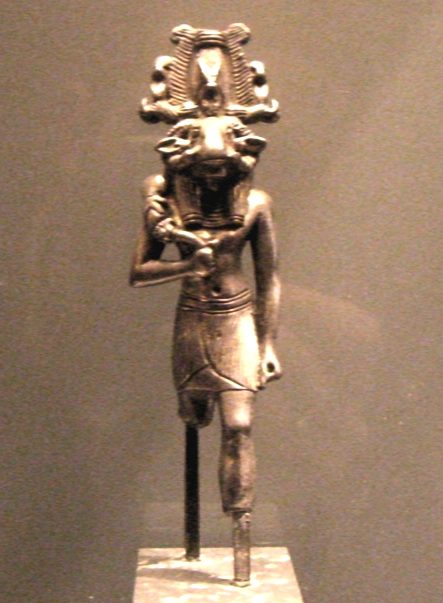
In the rich tapestry of Egyptian mythology, one of the most fascinating figures is Hershef. This ancient deity was often associated with the concepts of fertility, the harvest, and the regeneration of life. Hershef was primarily worshipped in the city of Herakleopolis, which was a significant religious center in ancient Egypt. The mythology surrounding Hershef reflects the deep connection that the ancient Egyptians had with the natural world and the cycles of life. As we explore the various aspects of Hershef, we will uncover the stories, symbols, and significance that made this deity a vital part of Egyptian beliefs.
Origins and Historical Context
The origins of Hershef can be traced back to the early dynastic period of ancient Egypt. Initially, Hershef was depicted as a ram-headed god, a form that symbolizes strength and fertility. Over time, the representation of Hershef evolved, and he was sometimes shown as a man with a ram’s head or simply as a ram. The ram was a powerful symbol in ancient Egyptian culture, often associated with the sun and the rebirth of life. This connection to fertility and regeneration made Hershef an essential figure in agricultural communities, where the success of crops was directly tied to the worship of deities like him.
Herakleopolis, the city where Hershef was primarily worshipped, played a crucial role in the political and religious landscape of ancient Egypt. This city was known for its fertile lands and abundant resources, which made it an agricultural hub. The worship of Hershef was closely linked to the annual flooding of the Nile River, which brought nutrients to the soil and ensured bountiful harvests. The ancient Egyptians believed that by honoring Hershef, they could secure the favor of the gods and guarantee a successful farming season.
Symbols and Attributes
Hershef is often associated with several important symbols that reflect his role in Egyptian mythology. One of the most notable symbols is the ankh, which represents life and immortality. The ankh was a powerful symbol in ancient Egypt, often carried by gods and pharaohs as a sign of their divine connection. In the context of Hershef, the ankh signifies his role as a god of fertility and regeneration, emphasizing the cycle of life that he embodies.
 Henet
HenetAnother significant symbol associated with Hershef is the sistrum, a musical instrument used in religious ceremonies. The sistrum was believed to produce sounds that could please the gods and drive away evil spirits. In rituals dedicated to Hershef, the sistrum played a vital role in invoking his presence and seeking his blessings for a fruitful harvest. The sound of the sistrum was thought to resonate with the natural world, calling forth the forces of fertility and growth.
Mythological Stories
The mythology surrounding Hershef is rich with stories that illustrate his importance in the Egyptian pantheon. One of the most famous tales involves Hershef’s role in the annual flooding of the Nile. According to legend, Hershef would descend from the heavens during the inundation, bringing with him the waters that nourished the land. This flooding was seen as a miraculous event, a gift from the gods that ensured the survival of the people. The ancient Egyptians celebrated this event with festivals and offerings, expressing their gratitude to Hershef for his benevolence.
Another story tells of Hershef’s battle against chaos and disorder. In this narrative, Hershef confronts a chaotic serpent known as Apep, who threatens to disrupt the natural order of the world. With his strength and wisdom, Hershef defeats Apep, restoring balance and harmony. This story highlights the duality of Hershef’s nature; he is not only a god of fertility but also a protector against chaos. The ancient Egyptians believed that by honoring Hershef, they could ensure stability in their lives and the natural world.
 Hemsut
Worship and Rituals
The worship of Hershef involved various rituals and ceremonies aimed at invoking his blessings. One of the most important practices was the offering of food and drink, which were placed on altars dedicated to the god. These offerings were meant to appease Hershef and seek his favor for a bountiful harvest. The ancient Egyptians believed that the gods required sustenance, and by providing offerings, they could maintain a favorable relationship with the divine.
Festivals dedicated to Hershef were lively events filled with music, dance, and feasting. During these celebrations, people would gather in temples to honor the god and express their gratitude for the blessings they received. Rituals often included the playing of the sistrum, as well as the recitation of hymns and prayers. These gatherings fostered a sense of community and reinforced the connection between the people and their deity, highlighting the importance of Hershef in their daily lives.
Hershef in Art and Iconography
The representation of Hershef in ancient Egyptian art is varied and rich. Artists depicted him in different forms, often showcasing his ram-headed appearance or as a man with ram features. These depictions were not merely artistic expressions; they carried deep religious significance. The way Hershef was portrayed conveyed his attributes and powers, reinforcing his role as a deity of fertility and protection.
In temple reliefs and carvings, Hershef is often shown alongside other deities, emphasizing his place within the larger pantheon of Egyptian gods. These artworks served not only as a means of worship but also as a way to communicate the stories and beliefs surrounding Hershef. They depicted scenes of agricultural abundance, illustrating the blessings of the god upon the land and its people. Such representations played a vital role in maintaining the religious traditions of ancient Egypt.
The Legacy of Hershef
The legacy of Hershef extends beyond the ancient Egyptian civilization. His influence can be seen in the way later cultures and religions adopted and adapted elements of Egyptian mythology. The themes of fertility, harvest, and the battle against chaos resonate in various belief systems throughout history. Hershef’s narrative of regeneration and life continues to inspire stories and teachings in modern contexts.
Even today, the symbolism associated with Hershef remains relevant. The ankh, as a symbol of life, is widely recognized and used in various cultural and spiritual practices. The themes of nature’s cycles and the importance of balance are echoed in contemporary discussions about sustainability and environmental stewardship. Hershef’s connection to agriculture serves as a reminder of humanity’s reliance on the earth and the need to respect and nurture it.
Conclusion: The Enduring Relevance of Hershef
As we delve into the mythology of Hershef, we uncover a rich narrative that reflects the ancient Egyptians’ understanding of the world around them. Through his stories, symbols, and worship, Hershef embodies the vital forces of life, fertility, and protection. His legacy continues to resonate, reminding us of the deep connections we share with nature and the importance of honoring the cycles of life. The mythology of Hershef serves as a testament to the enduring power of ancient beliefs and their relevance in our lives today.