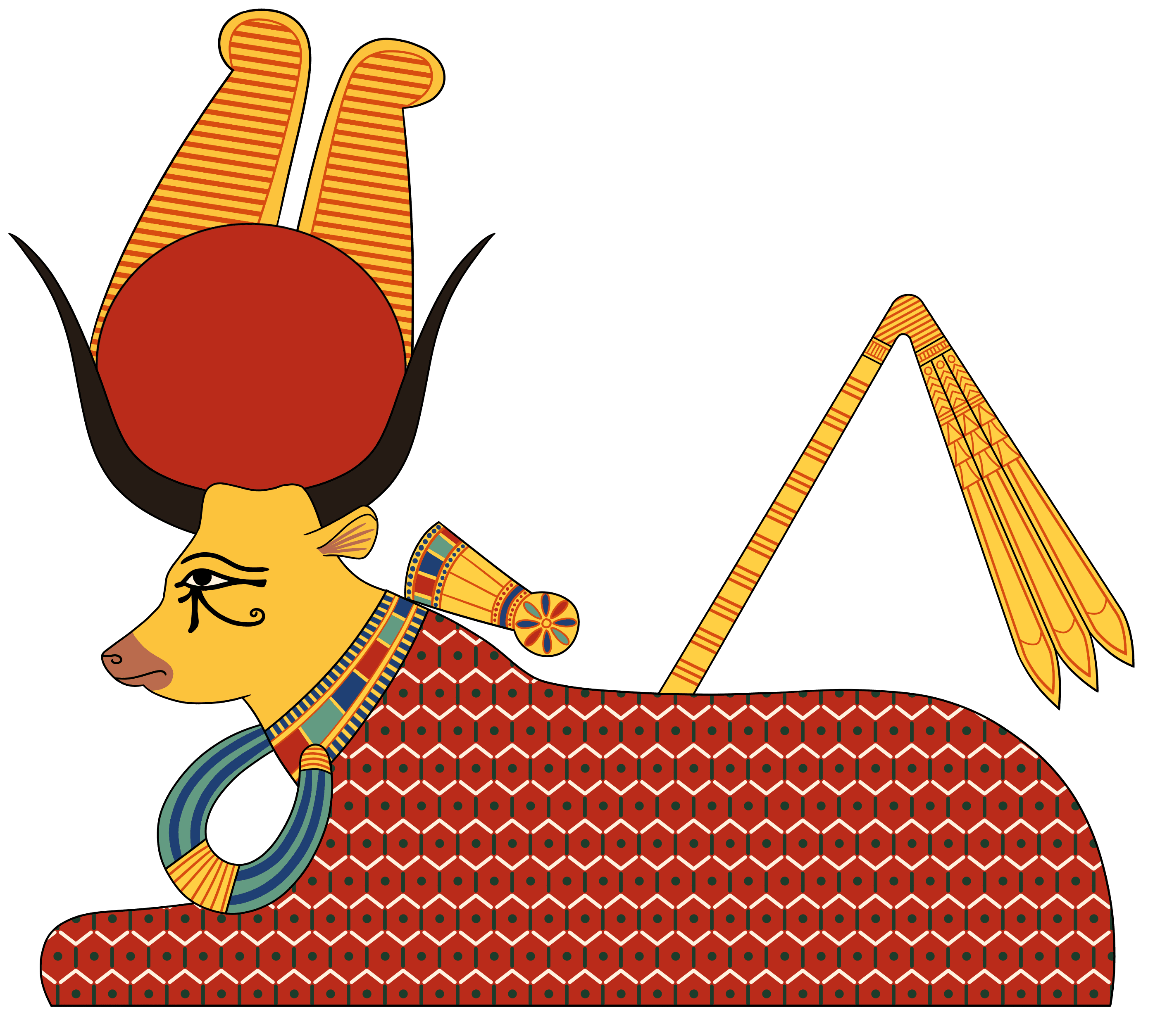
Hesat is a significant figure in Egyptian mythology, revered as a goddess of nourishment and fertility. She is often depicted as a cow or as a woman with cow’s horns, symbolizing her connection to motherhood and the nurturing aspects of life. Her name itself translates to “the great cow,” reflecting her vital role in providing sustenance to both gods and humans. As a deity, Hesat is closely associated with the cycle of life and the importance of food in ancient Egyptian society.
The Symbolism of Hesat
The symbolism of Hesat extends beyond mere representation as a cow. In ancient Egypt, cows were seen as sacred animals, embodying fertility and abundance. Hesat’s association with cows highlights her role in agriculture and sustenance. The milk produced by cows was a vital source of nutrition for the Egyptian people, and Hesat was thought to bless the land with fertility, ensuring a good harvest. Her image often appears in tomb paintings, indicating the importance of her blessings in the afterlife as well.
 Heru-behutet
Hesat is also associated with the moon, further deepening her symbolism. The moon was often linked to femininity and the cycles of nature. Just as the moon waxes and wanes, so too does the fertility of the earth. This connection emphasizes the idea that Hesat governs not only physical nourishment but also the spiritual nourishment that comes from the natural cycles of life. She represents the nurturing aspect of nature, reminding people of the importance of balance and harmony in their lives.
Hesat in Egyptian Religion
In ancient Egyptian religion, Hesat held a vital place among the pantheon of gods and goddesses. She was often worshipped alongside other deities associated with fertility and agriculture, such as Osiris and Isis. These deities collectively represented the life-giving forces of nature, and Hesat’s role was to ensure that people received the nourishment they needed to thrive. Temples dedicated to her would often be found in agricultural areas, where her blessings were sought to ensure a bountiful harvest.
Rituals and offerings to Hesat typically involved milk and other dairy products, emphasizing her role as a provider of nourishment. People would bring these offerings to her shrines, seeking her favor and protection. The Egyptians believed that by honoring Hesat, they would not only receive her blessings in this life but also in the afterlife. This belief was crucial in a culture that placed a significant emphasis on the journey after death, where sustenance and nourishment were equally important.
 Hershef
Mythological Stories Involving Hesat
Various mythological stories feature Hesat, showcasing her role as a nurturing figure. One such story tells of how she provided sustenance to the sun god Ra during his nightly journey through the underworld. As Ra traversed the dark realm, it was believed that he needed the strength to face the challenges ahead. Hesat, in her compassionate nature, would offer him her milk, symbolizing the life-giving force that would enable him to rise again each morning. This story highlights her significance not only in the mortal realm but also among the gods.
Another story involves the goddess Isis, who is often considered a sister or counterpart to Hesat. In some versions of the myth, after Osiris was killed, Isis sought the help of Hesat to nourish her son, Horus. Hesat’s milk was essential in raising Horus to be strong and capable of avenging his father’s death. This narrative illustrates the bond between the two goddesses and emphasizes the importance of maternal care and nourishment in the cycle of life.
Worship and Temples of Hesat
The worship of Hesat was an integral part of Egyptian religious practices. While she may not have had grand temples like some of the more prominent gods, her presence was felt in smaller shrines and altars throughout the land. These places of worship were often located in agricultural regions, where her blessings were most needed. Farmers and families would gather at these sites to offer their thanks and request her favor for a good harvest.
 Heptet
Rituals dedicated to Hesat often involved music, dance, and offerings of milk and grains. Priests and priestesses would lead these ceremonies, invoking her name and celebrating her role as a provider. The community would come together to honor her, reinforcing the connection between the goddess and the people. This communal worship highlighted the importance of sharing resources and supporting one another in their agricultural endeavors.
The Legacy of Hesat
The legacy of Hesat extends beyond her immediate worship in ancient Egypt. She embodies the values of nurturing, motherhood, and the essential connection between humans and the natural world. As a goddess of fertility and nourishment, she serves as a reminder of the importance of caring for the earth and ensuring its abundance. In modern times, her symbolism can still resonate, especially in discussions about sustainable agriculture and the nurturing aspects of life.
Hesat’s image can also be found in various forms of art and literature, reflecting her enduring significance. Artists and writers often draw upon her symbolism to convey messages of love, care, and the importance of community. The portrayal of Hesat as a nurturing figure continues to inspire people to connect with the values she represents, reminding them of the vital role that nourishment plays in their lives.
Conclusion: The Importance of Hesat in Egyptian Culture
Hesat’s importance in Egyptian culture cannot be overstated. As a goddess of nourishment and fertility, she played a crucial role in the daily lives of the ancient Egyptians. Her influence extended from agriculture to the spiritual realm, emphasizing the interconnectedness of life and the necessity of nurturing. Through her stories, worship, and symbolism, Hesat remains a powerful figure, reminding us of the enduring need for care, compassion, and sustenance in all aspects of life.