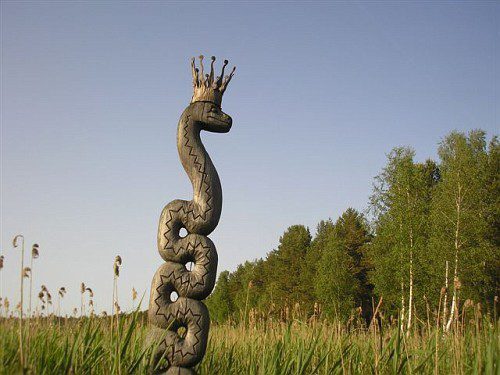
In Lithuanian mythology, Gyvate is a significant figure often associated with the concepts of serpents and dragons. These creatures hold a special place in the folklore and cultural narratives of Lithuania, representing various elements of nature and human emotion. Gyvate is not just a singular entity; rather, it embodies a range of meanings and interpretations, often varying from one region to another. Understanding Gyvate requires delving into the rich tapestry of Lithuanian mythological traditions, where nature, spirits, and ancient beliefs intertwine.
The Origins of Gyvate
The origins of Gyvate can be traced back to ancient Lithuanian beliefs where serpents were seen as powerful symbols. In many cultures, serpents are often viewed with both fear and reverence. In Lithuania, Gyvate is associated with the duality of life and death, reflecting the natural cycle of existence. Many tales describe Gyvate as a creature that can bring both prosperity and destruction, depending on the circumstances. This duality makes Gyvate a complex figure in Lithuanian mythology, representing not just a physical being, but also a profound metaphor for life’s challenges.
In the early narratives, Gyvate was often depicted as a guardian of treasures, hidden in the depths of forests or beneath the earth. This association with wealth and hidden knowledge further adds to the mystique surrounding Gyvate. Many stories recount the adventures of heroes who seek to confront Gyvate to obtain its treasures, often facing trials that test their courage and wit. These tales serve as a reminder of the importance of bravery and the rewards that come from facing one’s fears.
Gyvate in Folklore
Gyvate appears in numerous Lithuanian folktales, where it is often characterized as a powerful being that can shape-shift into various forms. In some stories, Gyvate takes on the appearance of a beautiful maiden, luring unsuspecting heroes into traps. This aspect of deception highlights the cunning nature attributed to Gyvate, emphasizing that not everything is as it seems. These tales often carry moral lessons, teaching the importance of discernment and the consequences of being easily swayed.
 Giltine
In many instances, Gyvate is depicted as a protector of nature, symbolizing the harmony between humans and the natural world. The stories often portray Gyvate as a being that punishes those who disrespect the land or its creatures. This connection reinforces the idea that humans must live in balance with nature, respecting its boundaries and recognizing its power. Such narratives serve as cautionary tales, reminding listeners of the importance of environmental stewardship.
Symbolism of Gyvate
The symbolism of Gyvate extends beyond its physical representation as a serpent or dragon. In Lithuanian culture, Gyvate is often associated with the feminine and the divine. Many interpretations suggest that Gyvate embodies the qualities of a mother figure, representing fertility and the cycle of life. This connection to femininity is significant, as it reflects the reverence for women in Lithuanian society, especially in relation to nature and nurturing.
Additionally, Gyvate symbolizes the transformation and regeneration inherent in nature. Just as a serpent sheds its skin, Gyvate represents the potential for renewal and growth. This aspect is particularly important in agricultural societies, where the changing seasons are crucial for survival. Gyvate, therefore, becomes a symbol of hope, reminding people that after hardship comes the possibility of rebirth and new beginnings.
 Gardaitis
Gyvate in Modern Culture
Moreover, Gyvate has found its way into popular culture, appearing in literature and media that explore themes of mythology and folklore. The fascination with Gyvate reflects a broader interest in mythological creatures and their meanings, as people seek to connect with their roots and understand the stories that shaped their ancestors. This resurgence of interest in Gyvate signifies a collective desire to preserve and honor cultural traditions.
Gyvate in Rituals and Traditions
In Lithuanian traditions, Gyvate plays a role in various rituals that celebrate the changing seasons. For instance, during the summer solstice, festivities often include elements that honor Gyvate as a symbol of fertility and abundance. People may create offerings to Gyvate, asking for blessings on their crops and livestock. These rituals highlight the deep connection between mythology and agricultural practices, illustrating how ancient beliefs continue to influence modern life.
Additionally, some communities hold special ceremonies where stories of Gyvate are recounted, emphasizing the importance of oral tradition in preserving cultural heritage. These gatherings not only serve as a means of storytelling but also as a way to strengthen community bonds and pass down knowledge from one generation to the next. The rituals surrounding Gyvate foster a sense of identity and belonging, reminding participants of their shared history and values.
Conclusion of Gyvate’s Legacy
The legacy of Gyvate in Lithuanian mythology is a testament to the enduring power of stories and their ability to shape cultural identity. Gyvate, as a symbol of nature, femininity, and transformation, encapsulates the complexities of human experience. The tales of Gyvate continue to resonate, offering insights into the relationship between people and the natural world. As modern society evolves, the essence of Gyvate remains a vital part of Lithuanian heritage, inspiring new generations to explore and celebrate their roots.
Gyvate is more than just a mythical creature; it represents the rich tapestry of Lithuanian mythology and the deep connections between culture, nature, and spirituality. Through stories, rituals, and artistic expressions, Gyvate continues to thrive, reminding us of the importance of our heritage and the timeless lessons embedded within it.