
The concept of Giraitis holds a significant place in Lithuanian mythology, reflecting the rich cultural heritage and beliefs of the Lithuanian people. Giraitis is often described as a spirit or deity associated with the forest, embodying the natural world and its elements. In Lithuanian folklore, forests are considered sacred places, and the spirits that inhabit them are revered and respected. Giraitis represents the connection between nature and humanity, reminding people of their responsibility to protect the environment.
Origins of Giraitis
The origins of Giraitis can be traced back to ancient Lithuanian beliefs and practices. Many historians and folklorists suggest that Giraitis may have evolved from earlier pagan deities associated with nature and fertility. In the past, the Lithuanians worshipped various gods and spirits, each representing different aspects of life, including agriculture, hunting, and the natural world. Giraitis, as a forest spirit, symbolizes the essence of the woods and the creatures that dwell within them.
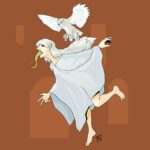 Giltine
According to some legends, Giraitis is said to be the guardian of the forest, watching over the animals and plants that inhabit it. This connection to the forest highlights the importance of nature in Lithuanian culture. The forests of Lithuania are vast and teeming with life, and Giraitis serves as a reminder of the beauty and mystery that these natural spaces hold. The stories surrounding Giraitis often emphasize the need for harmony between humans and nature, encouraging respect and reverence for the environment.
Characteristics of Giraitis
Giraitis is often depicted as a tall and slender figure, blending seamlessly with the trees and underbrush of the forest. His appearance is usually described as having earthy tones, reflecting the colors of the forest floor and foliage. This visual representation emphasizes his role as a protector of nature, as he embodies the very essence of the woods. In many tales, Giraitis is said to have the ability to communicate with animals, understanding their needs and desires, further highlighting his connection to the natural world.
In addition to his physical characteristics, Giraitis is also known for his gentle and wise demeanor. He is often portrayed as a benevolent spirit, helping lost travelers find their way and ensuring that the balance of nature is maintained. This portrayal serves to reinforce the idea that nature is not only a source of sustenance but also a nurturing and protective force. Giraitis is seen as a guide for those who seek to understand and appreciate the beauty of the natural world.
 Gardaitis
Legends and Stories of Giraitis
Numerous legends and stories feature Giraitis, each highlighting different aspects of his character and the lessons he imparts. One popular tale tells of a young hunter who ventured into the forest, seeking to prove his bravery. As he wandered deeper into the woods, he became lost and frightened. Just when he was about to give up hope, Giraitis appeared before him, offering guidance and reassurance. The hunter learned the importance of respecting the forest and its inhabitants, returning home with a newfound appreciation for nature.
Another story revolves around a farmer who was struggling with poor crop yields. Desperate for help, he decided to seek out Giraitis in the forest. When he found the spirit, he humbly asked for assistance. Giraitis taught the farmer about sustainable farming practices, emphasizing the need to work in harmony with the land. As a result, the farmer’s crops flourished, and he became a protector of the environment, sharing his knowledge with others in the community.
Common Themes in Giraitis Legends
- Respect for Nature: Many stories emphasize the importance of treating nature with respect and understanding.
- Balance and Harmony: Giraitis often teaches the need for balance between human activities and the natural world.
- Guidance and Wisdom: He is portrayed as a wise figure, offering guidance to those who seek his help.
- Protection of the Environment: The legends highlight the responsibility of individuals to care for the earth.
These themes are not only integral to the stories of Giraitis but also reflect the broader values of Lithuanian culture. The reverence for nature and the understanding of the interconnectedness of all living beings are central to the Lithuanian worldview. By sharing these stories, the community reinforces the importance of preserving their natural heritage for future generations.
 Ganiklis
Modern Interpretations of Giraitis
In contemporary Lithuania, the figure of Giraitis continues to inspire artists, writers, and environmental activists. Many modern interpretations of Giraitis explore the themes of nature conservation and the importance of sustainability. Artists often depict Giraitis in their works, using his image to promote awareness about environmental issues and the need to protect Lithuania’s forests. These representations serve as a bridge between ancient beliefs and modern environmentalism, emphasizing the relevance of traditional mythology in today’s world.
Literature also plays a significant role in the modern interpretation of Giraitis. Writers draw upon the rich tapestry of Lithuanian mythology to create stories that resonate with contemporary audiences. These narratives often address pressing environmental concerns, urging readers to reflect on their relationship with nature. Through the lens of Giraitis, authors encourage a dialogue about the importance of preserving the environment and the lessons that can be learned from the past.
Giraitis in Lithuanian Culture
The influence of Giraitis extends beyond mythology and literature; it permeates various aspects of Lithuanian culture. Festivals and celebrations often incorporate elements of nature worship, with Giraitis serving as a symbol of the forest’s spirit. During these events, people gather to honor the natural world, sharing stories, songs, and dances that celebrate their connection to the earth. Such gatherings reinforce the community’s bond with nature and remind individuals of their role as stewards of the environment.
In addition to festivals, Giraitis is also a common figure in Lithuanian art. Many artists draw inspiration from the natural beauty of Lithuania and the stories of Giraitis, creating works that capture the essence of the forest and its spirit. These artistic expressions serve not only as a celebration of culture but also as a reminder of the importance of preserving the environment. Through their work, artists contribute to the ongoing dialogue about nature conservation and the need for sustainable practices.
Environmental Significance of Giraitis
As the world faces increasing environmental challenges, the figure of Giraitis serves as a powerful symbol of the need for environmental stewardship. The stories and teachings associated with Giraitis highlight the importance of living in harmony with nature and respecting the delicate balance of ecosystems. In a time when deforestation and habitat destruction are rampant, the lessons of Giraitis resonate more than ever, encouraging individuals and communities to take action to protect their natural surroundings.
Environmental activists in Lithuania often reference Giraitis in their campaigns, using his image and stories to inspire action. By connecting modern environmental issues with traditional beliefs, activists can engage a wider audience, fostering a sense of responsibility towards the environment. The teachings of Giraitis remind people that the well-being of the planet is interconnected with their own, emphasizing the need for collective efforts to create a sustainable future.
In exploring the figure of Giraitis, we uncover a rich tapestry of mythology, culture, and environmental significance. Giraitis embodies the deep connection between the Lithuanian people and their natural surroundings, serving as a reminder of the importance of respecting and protecting the earth. Through stories, art, and modern interpretations, Giraitis continues to inspire generations, encouraging a harmonious relationship with nature that is vital for the health of our planet.