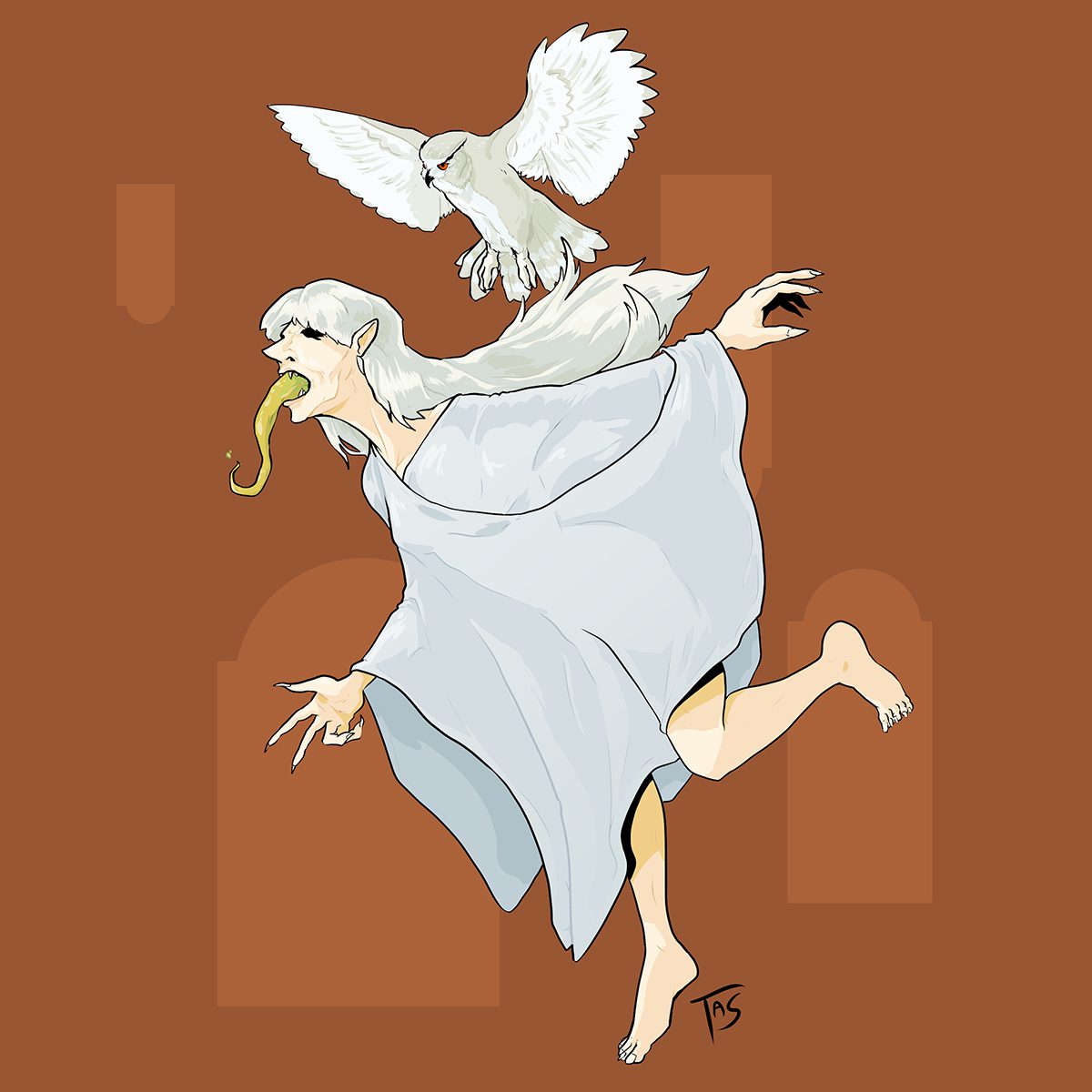
In Lithuanian mythology, Giltine is a significant figure often associated with death and the afterlife. She is depicted as a personification of death, embodying the inevitability of mortality. Giltine’s role is not merely to take souls but also to guide them to the other side, highlighting a complex relationship between life and death in Lithuanian culture. The mythological narratives surrounding Giltine reveal deep cultural values and beliefs about existence, the afterlife, and the cycle of life.
The Origins of Giltine
The origins of Giltine can be traced back to ancient beliefs and practices in Lithuania. In pre-Christian times, the Lithuanian people held various deities and spirits in high regard, with each representing different aspects of life and nature. Giltine emerged from this rich tapestry of mythology as a necessary figure in understanding the transition from life to death. Her name itself, which translates to “the one who takes,” indicates her primary role in the mythological landscape.
 Gardaitis
Giltine is often portrayed as a female figure, which is significant in many cultures where women are associated with fertility and life. This duality of being both a life-giver and a death-bringer adds depth to her character. In many stories, she is described as having a beautiful yet eerie appearance, symbolizing the delicate balance between life and death. The juxtaposition of beauty and fear surrounding Giltine reflects the Lithuanian view of death not as something to be feared but as a natural part of existence.
The Role of Giltine in Lithuanian Mythology
Giltine’s role extends beyond merely taking lives; she is a guide for souls transitioning to the afterlife. In various tales, she is depicted as waiting at the moment of death, ready to lead the departed to the realm of the dead. This guiding aspect is crucial, as it provides comfort to the living, knowing that their loved ones will not be left alone in their journey. The stories often emphasize her gentleness and understanding, which counters the traditional fear associated with death.
 Ganiklis
Moreover, Giltine’s presence in Lithuanian mythology serves as a reminder of the inevitability of death. She embodies the belief that death is a natural part of life and should be accepted rather than feared. This perspective encourages individuals to live their lives fully, knowing that death is not an end but a transition. In many stories, those who accept their fate and face Giltine with courage are rewarded in the afterlife, reinforcing the idea that one’s attitude towards death can influence their journey beyond.
Giltine’s Characteristics
- Appearance: Giltine is often depicted as a tall, slender woman, dressed in dark, flowing robes. Her appearance can be both alluring and frightening, symbolizing the dual nature of life and death.
- Personality: Despite her role as a harbinger of death, Giltine is portrayed as compassionate and understanding, providing solace to souls in their final moments.
- Symbols: She is frequently associated with various symbols of death, such as the scythe and the black crow, which further emphasizes her connection to the afterlife.
These characteristics make Giltine a unique figure in Lithuanian mythology. Unlike other death deities in various cultures who are often depicted as fearsome and vengeful, Giltine offers a more nurturing approach. Her understanding nature suggests that death is not something to be feared but embraced as a part of the natural order.
Myths and Legends Surrounding Giltine
Many myths and legends feature Giltine, each offering insights into her character and the cultural attitudes towards death in Lithuania. One popular tale tells of a young man who, fearing death, tries to evade Giltine. He runs through forests and mountains, believing he can escape her grasp. However, no matter how fast he runs, Giltine is always just behind him. This story illustrates the futility of trying to escape death and emphasizes the importance of accepting one’s fate.
 Gabjauja
In another legend, Giltine is said to have fallen in love with a mortal man. She granted him the gift of immortality, but he soon realized that living forever without the possibility of death was a curse. He eventually sought out Giltine, begging her to take him to the afterlife. This tale underscores the idea that life without death lacks meaning and that the two are intertwined. Giltine, in this story, is portrayed not as a villain but as a necessary force in maintaining the balance of existence.
Lessons from Giltine’s Myths
- Acceptance: The stories of Giltine teach the importance of accepting death as a natural part of life.
- Balance: They emphasize the balance between life and death, showing how both are essential for understanding existence.
- Compassion: Giltine’s gentle nature reminds us to approach death with compassion and understanding.
These lessons are not only relevant to those who study Lithuanian mythology but also resonate with universal themes found in many cultures. The stories surrounding Giltine encourage individuals to reflect on their own beliefs about death and the afterlife, fostering a deeper understanding of what it means to be human.
Giltine in Modern Culture
In contemporary Lithuanian culture, Giltine continues to be a significant figure. Many artists, writers, and filmmakers draw inspiration from her character, exploring themes of death, loss, and the afterlife. Her image can be found in various forms of art, from paintings to sculptures, often portraying her in a way that captures both her beauty and her haunting presence. This modern representation keeps the stories of Giltine alive, allowing new generations to connect with their cultural heritage.
Additionally, Giltine has become a symbol in discussions about mortality and the human experience. In a world that often shies away from conversations about death, Giltine serves as a reminder of the importance of acknowledging this inevitable aspect of life. Through literature and media, her character encourages people to confront their fears and embrace the idea that death is a part of the natural cycle.
Giltine’s Influence on Literature and Art
- Literature: Many contemporary Lithuanian authors incorporate Giltine into their works, exploring themes of mortality and the human condition.
- Art: Artists depict Giltine in various forms, using her image to provoke thought about life and death.
- Film: Giltine’s character has inspired filmmakers to create narratives that delve into the complexities of the afterlife.
These influences highlight Giltine’s relevance in modern society, proving that ancient myths can still hold significant meaning today. By revisiting her stories, people can gain a better understanding of their own beliefs about death and the afterlife, fostering a more open dialogue about these essential aspects of life.
The Symbolism of Giltine
The symbolism of Giltine extends beyond her role as a personification of death. She represents the inevitable cycle of life, where death is not an end but a transition to another state of being. This cycle is central to many cultures, and Giltine embodies the understanding that life and death are intertwined. The Lithuanian people often view her as a necessary force, ensuring that the natural order is maintained.
Furthermore, Giltine symbolizes the connection between the living and the dead. In many cultures, rituals and practices are performed to honor those who have passed away. Giltine’s role as a guide emphasizes the importance of these traditions, as they help the living to cope with loss and remember their loved ones. This connection is vital in maintaining a sense of community and shared history, reinforcing the idea that death is not something to be feared but acknowledged.
Giltine in Rituals and Practices
- Funeral Rites: Giltine’s presence is often invoked during funeral ceremonies, as families seek her guidance for the departed soul.
- Remembrance: Rituals to honor the dead often include offerings and prayers to Giltine, acknowledging her role in the afterlife.
- Cultural Celebrations: Festivals may include references to Giltine, celebrating the cycle of life and death.
These rituals and practices are essential for the Lithuanian people, as they provide a means to connect with their cultural heritage while also addressing the universal experience of loss. Giltine serves as a focal point in these traditions, reminding individuals of the importance of honoring those who have passed on.
Comparisons with Other Mythologies
When exploring Giltine, it is interesting to compare her to similar figures in other mythologies. Many cultures have personifications of death, such as the Grim Reaper in Western mythology or Yama in Hinduism. While these figures often embody fear and dread, Giltine offers a more compassionate approach. This difference reflects the unique cultural attitudes towards death in Lithuania, where acceptance and understanding are emphasized.
For instance, in Greek mythology, Thanatos represents death and is often depicted as a dark figure. In contrast, Giltine’s character includes elements of beauty and grace, suggesting a more nuanced view of death. This distinction highlights how different cultures interpret the concept of mortality, shaping their beliefs and practices around it.
Lessons from Comparative Mythology
- Understanding Death: Comparing Giltine with other death figures helps to understand how different cultures view mortality.
- Emotional Responses: These comparisons reveal varying emotional responses to death, from fear to acceptance.
- Cultural Values: Each mythological figure reflects the values and beliefs of their respective cultures regarding life and death.
By examining these comparisons, individuals can gain a broader perspective on how death is perceived across different cultures. Giltine’s unique portrayal encourages a more compassionate understanding of mortality, inviting people to reflect on their own beliefs and practices regarding death.
Conclusion of Giltine’s Legacy
Giltine’s legacy in Lithuanian mythology continues to influence cultural practices, literature, and art. As a personification of death, she embodies the complexities of mortality, offering a unique perspective that emphasizes acceptance and understanding. Her stories encourage individuals to confront their fears and embrace the inevitability of death, fostering a deeper appreciation for the cycle of life.
Through her representation in modern culture, Giltine remains a relevant figure, reminding people of the importance of acknowledging death as a natural part of existence. By exploring her character and the myths surrounding her, individuals can gain valuable insights into their own beliefs and attitudes towards life and death, enriching their understanding of the human experience.