
In Lithuanian mythology, Gardaitis is a significant figure, often associated with the natural world and its mysteries. He is considered a protector of the forests and the animals that inhabit them. The tales surrounding Gardaitis are rich in symbolism and cultural significance, reflecting the deep connection that the Lithuanian people have with nature. This article explores the various aspects of Gardaitis, including his characteristics, stories, and the impact he has on Lithuanian folklore.
Characteristics of Gardaitis
Gardaitis is often depicted as a strong and wise guardian of the woods. He is believed to have the ability to communicate with animals, making him a vital figure in the ecosystem of Lithuanian forests. His presence is said to bring harmony and balance to the natural world. Gardaitis is also portrayed as a figure who understands the language of nature, allowing him to interact with the elements in a way that few others can.
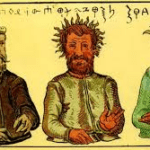 Ganiklis
Another important characteristic of Gardaitis is his deep connection to the earth. He embodies the spirit of the forest and is often associated with various natural elements, such as trees, rivers, and mountains. This connection to the land signifies his role as a protector, ensuring that nature is respected and preserved. Many stories illustrate how Gardaitis intervenes when humans disrespect nature, reminding them of their responsibility towards the environment.
Physical Appearance
Gardaitis is typically described as a tall and imposing figure, often adorned with leaves and branches that signify his unity with the forest. His attire is made from natural materials, emphasizing his role as a being of the wild. In many tales, he is depicted with animal companions, reinforcing his status as a protector of wildlife. These animals often serve as messengers or guides, further highlighting his connection to the animal kingdom.
- Heightened senses: Gardaitis is believed to have extraordinary senses, allowing him to detect even the slightest changes in his surroundings.
- Natural camouflage: His appearance allows him to blend seamlessly into the forest, making him a master of stealth.
- Symbolic attire: His clothing made from natural elements symbolizes his harmony with nature.
Legends and Stories
The stories of Gardaitis are an essential part of Lithuanian folklore, passed down through generations. One popular legend tells of how Gardaitis saved a village from a devastating drought. According to the tale, the villagers had neglected their duties to care for the forest, leading to a severe lack of water. Gardaitis, witnessing their plight, intervened by summoning rain from the heavens, demonstrating his power and connection to the natural elements.
 Gabjauja
Another story recounts how Gardaitis taught a group of hunters a valuable lesson about respect for nature. The hunters, eager to capture as many animals as possible, disregarded the balance of the ecosystem. Gardaitis appeared to them in a dream, showing them the consequences of their actions. The hunters then changed their ways, realizing that sustainable practices were crucial for the survival of both wildlife and themselves.
Gardaitis and Nature
Gardaitis is often seen as a mediator between humans and nature. His stories frequently emphasize the importance of maintaining a respectful relationship with the environment. He teaches that every creature, big or small, plays a role in the intricate web of life. Through his actions, Gardaitis reminds people that their well-being is intertwined with the health of the natural world.
- Balance of ecosystems: Gardaitis ensures that no species becomes too dominant, promoting biodiversity.
- Respect for resources: He advocates for the sustainable use of natural resources, urging people to take only what they need.
- Connection to traditions: Many Lithuanian traditions revolve around honoring nature, inspired by the teachings of Gardaitis.
Gardaitis in Modern Culture
In contemporary Lithuania, Gardaitis continues to hold a special place in the hearts of many. He is often invoked in discussions about environmental conservation and the importance of protecting natural habitats. His image can be found in various forms of art, from paintings to sculptures, serving as a reminder of the deep-rooted respect for nature that is prevalent in Lithuanian culture.
 Gabija
Furthermore, festivals and celebrations are organized in honor of Gardaitis, where people come together to participate in activities that promote environmental awareness. These events often include tree planting, clean-up campaigns, and educational workshops focused on sustainable living. By celebrating Gardaitis, the community reinforces the importance of caring for the environment and the lessons he imparts.
Gardaitis in Literature
Gardaitis has also made his way into Lithuanian literature, where authors explore his character and the themes surrounding him. Many poems and stories reflect on the relationship between humans and nature, using Gardaitis as a symbol of this connection. Through literature, the values associated with Gardaitis are passed on to new generations, ensuring that the wisdom of the past is not forgotten.
- Poetry: Many poets have written verses inspired by Gardaitis, celebrating his role as a guardian of nature.
- Children’s stories: Tales of Gardaitis are often told to children, teaching them the importance of respecting the environment.
- Modern adaptations: Some contemporary authors have reimagined Gardaitis in new settings, keeping his spirit alive in today’s narratives.
The Role of Gardaitis in Spiritual Practices
In addition to his role in folklore and modern culture, Gardaitis plays a significant part in spiritual practices among some Lithuanian communities. He is often invoked in rituals that seek to honor nature and ask for its protection. Many people believe that by acknowledging Gardaitis, they can foster a deeper connection with the land and its resources.
Spiritual practices often involve offerings to Gardaitis, such as fruits, flowers, or handmade crafts. These offerings symbolize gratitude for the gifts of nature and serve as a way to seek blessings for the community. Rituals may also include songs and dances that celebrate the changing seasons, highlighting Gardaitis’s connection to the cycles of nature.
Environmental Stewardship
Gardaitis embodies the principles of environmental stewardship, encouraging people to take responsibility for the planet. His stories serve as a reminder that humans are merely caretakers of the earth and must work to protect it for future generations. Many environmental organizations in Lithuania use Gardaitis as a symbol to promote their initiatives, aligning their goals with the values he represents.
- Community engagement: Groups often organize events in his name to raise awareness about environmental issues.
- Education: Schools incorporate lessons about Gardaitis to teach children the importance of environmental conservation.
- Collaborative efforts: Various organizations collaborate to create campaigns that resonate with Gardaitis’s teachings.
Gardaitis and Folklore
The figure of Gardaitis is deeply embedded in Lithuanian folklore, where he is often referenced in various tales and legends. These stories serve not only to entertain but also to impart valuable life lessons. Folklore is an essential aspect of Lithuanian culture, and Gardaitis’s presence highlights the importance of nature in these narratives.
Many tales describe encounters with Gardaitis, where individuals seek his guidance or protection. These encounters often result in transformative experiences, leading to a greater appreciation for nature and a renewed commitment to preserving it. Through these stories, Gardaitis becomes a bridge between the human world and the natural realm, illustrating the interconnectedness of all living beings.
Symbolism in Folklore
Gardaitis is rich in symbolism, representing not only the protection of nature but also the wisdom that comes from living in harmony with the environment. His character embodies the ideals of respect, balance, and sustainability. The stories surrounding him often reflect the struggles and triumphs of those who seek to align themselves with nature’s rhythms.
- Nature’s resilience: Gardaitis symbolizes the strength and resilience of the natural world, reminding us of its ability to heal and thrive.
- Interconnectedness: His tales emphasize the interconnectedness of all life, urging people to recognize their place within the ecosystem.
- Guardianship: Gardaitis represents the idea of guardianship, encouraging individuals to protect and nurture the environment.
Gardaitis in Art and Music
Art and music have long been mediums through which the stories of Gardaitis are expressed. Artists often draw inspiration from his character, creating works that reflect the beauty of nature and the importance of environmental stewardship. Paintings, sculptures, and other forms of visual art capture the essence of Gardaitis, celebrating his role as a guardian of the forest.
In music, Gardaitis is frequently referenced in folk songs and traditional melodies. These songs often convey messages of respect for nature and the lessons learned from Gardaitis. Musicians use their art to tell stories of his adventures and to inspire listeners to appreciate the natural world around them.
Artistic Representations
Various artistic representations of Gardaitis highlight his connection to nature. Artists often depict him in lush forest settings, surrounded by animals and plants. These representations serve to remind viewers of the beauty and fragility of the natural world. Through their work, artists contribute to the ongoing dialogue about environmental conservation and the importance of protecting nature.
- Paintings: Many artists create landscapes featuring Gardaitis, emphasizing the vibrancy of the forest.
- Sculptures: Sculptors often craft pieces that embody the spirit of Gardaitis, using natural materials to reinforce his connection to the earth.
- Musical compositions: Folk musicians incorporate themes of Gardaitis into their songs, celebrating his role in Lithuanian culture.
The Legacy of Gardaitis
Gardaitis’s legacy is one of respect for nature and the wisdom that comes from living in harmony with the environment. His stories continue to inspire individuals and communities to engage in practices that promote sustainability and environmental awareness. The values associated with Gardaitis resonate strongly in contemporary discussions about climate change and conservation efforts.
As a symbol of guardianship, Gardaitis encourages people to take an active role in protecting the natural world. His teachings serve as a reminder that every action, no matter how small, can contribute to the health of the planet. By embracing the legacy of Gardaitis, individuals can work towards creating a more sustainable future for generations to come.
Inspiration for Future Generations
Gardaitis serves as an inspiration for future generations, reminding them of the importance of preserving the environment. His stories encourage young people to develop a sense of responsibility towards nature and to engage in practices that promote sustainability. As children learn about Gardaitis, they also learn valuable lessons about empathy, respect, and stewardship.
- Environmental education: Schools incorporate lessons about Gardaitis to instill a love for nature in students.
- Community involvement: Young people are encouraged to participate in community initiatives that honor Gardaitis’s teachings.
- Creativity: Future generations are inspired to express their connection to nature through art and music, continuing the legacy of Gardaitis.