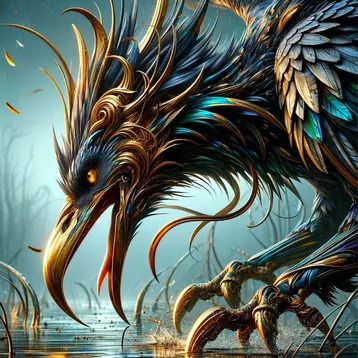
The Stymphalian Birds are fascinating creatures from Greek mythology. They are often described as man-eating birds with metallic feathers, sharp beaks, and a deadly nature. These birds were said to inhabit the Stymphalian Marsh, a place filled with danger and treachery. Their existence posed a significant threat to the local population, who lived in constant fear of being attacked. The story of the Stymphalian Birds is one of the many myths that highlight the challenges faced by heroes in ancient Greece. Their tale is not just about the birds themselves but also about the hero who was tasked with eliminating them.
The Origin of the Stymphalian Birds
The origin of the Stymphalian Birds can be traced back to the myth of Artemis, the goddess of the hunt. According to the stories, these birds were created by Ares, the god of war, as a punishment for the people living in the region. They were said to be born from the toxic waters of the marsh, which gave them their deadly nature. The birds were not only dangerous but also had a peculiar ability to shoot their metallic feathers like arrows, making them even more formidable. This aspect of their nature made them a unique addition to the pantheon of mythical creatures in Greek lore.
 Styx
StyxAs the legend goes, the Stymphalian Birds were known to feed on human flesh, creating panic among the local villagers. Their presence in the marsh transformed it into a place of terror, and many brave souls attempted to rid the area of these creatures. However, none were successful, as the birds were swift, cunning, and well-armed with their sharp feathers. This created a dire situation for the community, prompting the need for a hero to confront this deadly threat.
The Twelve Labors of Heracles
The story of the Stymphalian Birds is most famously linked to one of the Twelve Labors of Heracles. Heracles, also known as Hercules, was a demigod renowned for his incredible strength and heroic deeds. As part of his penance, he was tasked with completing twelve impossible labors, one of which involved the Stymphalian Birds. This labor was not only a test of strength but also of skill and ingenuity, as the challenge required more than just brute force to overcome the deadly birds.
Heracles approached the Stymphalian Marsh with caution. He understood that confronting the birds directly would likely lead to his demise. Instead, he devised a plan to flush them out of their hiding places. Using a set of bronze castanets given to him by the goddess Athena, he created a loud noise that startled the birds. This tactic was essential because the Stymphalian Birds were known to be skittish and would take to the air if they felt threatened. By scaring them out of their hiding spots, Heracles could engage them in battle.
 Syrinx
The Battle with the Stymphalian Birds
Once the Stymphalian Birds were forced into the open, Heracles had to act quickly. The birds, realizing they were in danger, took to the skies and began to attack him with their sharp metallic feathers. Heracles, however, was prepared. He used his bow and arrows to shoot down the birds as they swooped down to attack. This battle was not easy, as the birds were agile and fierce. They had the advantage of flight, which allowed them to strike from above.
Despite the odds, Heracles proved to be a skilled warrior. He managed to shoot down several of the birds, but the battle was far from over. The remaining birds began to regroup and attack in swarms. In response, Heracles continued to use his archery skills, showcasing his incredible aim and strength. The battle raged on, and it became a test of endurance for the hero. He had to remain focused and determined, knowing that the safety of the local villagers depended on his success.
The Significance of the Stymphalian Birds
The tale of the Stymphalian Birds holds significant meaning in Greek mythology. It represents the struggle between good and evil, where the hero must confront a formidable foe to protect the innocent. The birds themselves symbolize chaos and destruction, embodying the fears and challenges that individuals must face in their lives. Heracles’ battle against the birds serves as a reminder of the importance of courage, strategy, and perseverance.
 Tantalus
Moreover, the Stymphalian Birds highlight the relationship between humans and the divine in Greek mythology. Heracles received assistance from Athena, showcasing how the gods played an integral role in the lives of mortals. This connection between the divine and the human world is a recurring theme in many Greek myths, emphasizing the belief that while humans face great challenges, they are not alone in their struggles.
The Aftermath of the Battle
After a long and grueling battle, Heracles emerged victorious. He managed to eliminate the threat posed by the Stymphalian Birds, bringing peace back to the region. The local villagers were immensely grateful, and they celebrated the hero’s triumph. Heracles’ success in this labor not only proved his strength but also solidified his status as a legendary hero in Greek mythology. The tales of his adventures spread far and wide, inspiring countless stories and legends.
The aftermath of the battle also had broader implications. With the Stymphalian Birds defeated, the marsh became a safer place for the local inhabitants. They could once again cultivate their lands and live without the constant fear of attack. This restoration of peace is a testament to the hero’s role in protecting the community and highlights the positive outcomes that can result from facing one’s fears and challenges head-on.
The Symbolism of the Stymphalian Birds
The Stymphalian Birds are rich in symbolism, representing various aspects of human experience. One of the most significant themes is the concept of overcoming adversity. The birds themselves serve as a metaphor for the obstacles and fears that people face in their lives. Just as Heracles had to confront these dangerous creatures, individuals must confront their challenges to achieve personal growth and success.
Additionally, the birds can symbolize the darker aspects of human nature, such as greed, violence, and chaos. Their man-eating tendencies and vicious behavior reflect the potential for destruction that exists within humanity. By defeating the Stymphalian Birds, Heracles not only protects the innocent but also symbolizes the triumph of good over evil. This theme resonates throughout many myths, reinforcing the idea that courage and strength can lead to victory over darkness.
Lessons from the Stymphalian Birds
The story of the Stymphalian Birds offers several valuable lessons that are still relevant today. One of the primary lessons is the importance of courage in the face of fear. Heracles’ willingness to confront the birds, despite the danger, serves as an inspiration for individuals facing their challenges. It reminds us that bravery is not the absence of fear but the ability to act despite it.
Another important lesson is the value of strategy and preparation. Heracles did not rush into battle without a plan; instead, he used his wits to outsmart the birds. This emphasizes the idea that thoughtful planning and resourcefulness can often lead to success, even when the odds seem stacked against you. In life, as in mythology, careful consideration and strategic thinking can make a significant difference in achieving one’s goals.
The Legacy of the Stymphalian Birds
The legacy of the Stymphalian Birds continues to endure in modern culture. Their story has been retold in various forms, including literature, art, and film. The imagery of these fearsome creatures and their connection to the heroic feats of Heracles remains a powerful symbol of struggle and triumph. They serve as a reminder of the rich tapestry of Greek mythology and its ability to inspire and captivate audiences across generations.
Moreover, the tale of the Stymphalian Birds contributes to the larger narrative of Heracles’ adventures, which have become iconic in Western culture. These stories not only entertain but also provide moral lessons and insights into the human condition. The continued fascination with Heracles and his battles against mythical creatures speaks to the timeless nature of these myths and their relevance to contemporary life.
The story of the Stymphalian Birds is a captivating chapter in Greek mythology that highlights the themes of courage, strategy, and the battle between good and evil. Through the lens of Heracles’ challenges, we gain insight into the human experience and the importance of confronting our fears. The legacy of the Stymphalian Birds lives on, reminding us that even the most daunting obstacles can be overcome with determination and bravery.