
The term Baka holds significant importance in Vodou mythology, specifically within the traditions and beliefs practiced in Haiti and among the Haitian diaspora. Baka is often depicted as a type of spirit or entity associated with the forest and the natural world. These spirits are known for their connection to nature, particularly the dense forests of Haiti, where they are believed to dwell. The concept of Baka is intertwined with various aspects of life, including healing, protection, and the preservation of nature. Understanding Baka requires a deep dive into the rich tapestry of Vodou beliefs and practices.
Understanding Baka in Vodou
In Vodou, Baka is often referred to as a forest spirit or a nature deity. These spirits are revered for their power and influence over the natural world. They are believed to be guardians of the forests and are often called upon for assistance in matters related to nature. The presence of Baka is felt in the rustling of leaves, the sounds of animals, and the overall ambiance of the forest. People who practice Vodou may offer prayers or rituals to Baka to seek guidance, protection, or blessings.
 Badessy
The worship of Baka is not just about asking for favors; it also emphasizes the importance of respecting and preserving the environment. In many Vodou communities, there is a strong belief that the health of the forest is directly linked to the well-being of the people. Therefore, Baka serves as a reminder of the interconnectedness of all living things. This belief promotes sustainable practices and a deep appreciation for nature.
Baka and Healing Practices
Baka is often associated with healing and medicinal knowledge in Vodou culture. Practitioners of Vodou may seek the help of Baka when dealing with physical or spiritual ailments. It is believed that Baka possesses the wisdom of the forest and can provide remedies derived from natural resources. This connection to healing highlights the role of nature in Vodou practices and the importance of understanding the medicinal properties of various plants.
In many rituals, offerings are made to Baka, which can include herbs, fruits, or other natural items. These offerings symbolize respect and gratitude towards the spirit. It is common for healers, known as houngans or mambos, to invoke Baka during healing ceremonies. They may call upon Baka to guide them in choosing the right herbs or to enhance the effectiveness of their treatments.
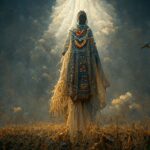 Azaka Mede
Common Healing Rituals Involving Baka
- Herb Gathering: Practitioners often venture into the forest to collect herbs while asking for Baka’s blessings.
- Healing Ceremonies: Specific rituals are performed to invoke Baka’s presence and assistance in healing the sick.
- Offerings: Items such as fruits, flowers, and natural objects are presented to Baka as a sign of respect.
The relationship between Baka and healing practices illustrates the deep respect Vodou practitioners have for nature. By acknowledging the power of Baka, they reinforce the belief that health is not just a personal matter but is also influenced by the environment. This perspective encourages a holistic approach to wellness that integrates physical, spiritual, and environmental health.
Baka and Protection
In addition to healing, Baka is also considered a powerful protector. Many Vodou practitioners invoke Baka to safeguard their homes, families, and communities. This protective aspect of Baka is particularly important in a culture that often faces various challenges, including economic hardship and social injustice. By calling upon Baka, individuals seek a sense of security and reassurance.
Rituals aimed at invoking Baka’s protective powers often involve the use of symbols and objects from nature. For example, branches, leaves, or stones may be placed around a home as a physical representation of Baka’s presence. These items are believed to create a protective barrier against negative energies or harmful spirits. Such practices highlight the significance of the natural world in Vodou and the belief that it can provide both physical and spiritual protection.
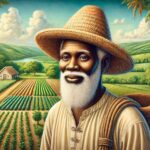 Azaka
AzakaProtective Rituals Associated with Baka
- Amulets: Creating amulets using natural elements to invoke Baka’s protection.
- Forest Blessings: Holding ceremonies in the forest to ask Baka for protection over a community.
- Purification Rituals: Using natural waters or herbs to cleanse spaces and invite Baka’s safeguarding energy.
The protective qualities of Baka extend beyond individual needs; they also encompass the community. Vodou practitioners often gather to perform group rituals, reinforcing their collective strength and unity. This communal aspect of worship emphasizes the importance of togetherness in facing life’s challenges while honoring the spirits of nature.
The Symbolism of Baka
Baka embodies several important symbols in Vodou mythology. The forest, as the primary domain of Baka, symbolizes life, growth, and renewal. The lush vegetation and diverse wildlife represent the abundance of resources available to those who respect and honor nature. In this context, Baka serves as a reminder of the vital connection between humans and the environment.
Moreover, Baka is often associated with the spiritual journey. Just as a forest can be a place of exploration and discovery, the path to understanding Baka is one of personal growth and learning. Many Vodou practitioners view their relationship with Baka as a journey that requires respect, humility, and dedication. This journey can lead to deeper insights about oneself and the world.
Symbolic Representations of Baka
- The Forest: Represents abundance and the cycle of life.
- Animals: Often seen as messengers or manifestations of Baka’s energy.
- Plants: Symbolize healing and the connection to nature.
Understanding the symbolism of Baka enriches the overall comprehension of Vodou practices. It highlights the interconnectedness of various elements in nature and their significance in the spiritual realm. The symbolism associated with Baka encourages practitioners to reflect on their relationship with the environment and the spirits that inhabit it.
Baka in Contemporary Vodou Practice
As Vodou continues to evolve, the role of Baka remains significant in contemporary practices. Many Vodou practitioners today still honor Baka as a vital part of their spiritual beliefs. The resurgence of interest in natural healing and environmentalism has also brought renewed attention to the teachings of Baka. People are increasingly recognizing the importance of sustainable practices and the wisdom that Baka represents.
In modern Vodou ceremonies, Baka is often invoked in rituals that focus on environmental protection and sustainability. Practitioners may hold gatherings to celebrate the forest and its resources, promoting awareness about conservation efforts. This integration of traditional beliefs with contemporary issues reflects the adaptability of Vodou and its relevance in today’s world.
Modern Rituals and Celebrations for Baka
- Earth Day Events: Community gatherings to celebrate and protect natural resources.
- Healing Workshops: Sessions that teach herbal medicine and sustainable practices.
- Forest Walks: Rituals that involve walking in the forest to connect with Baka and nature.
These modern practices not only honor Baka but also encourage a deeper understanding of environmental issues. By incorporating Baka into contemporary rituals, practitioners are actively engaging with the spirit of the forest and emphasizing the importance of caring for the Earth. This approach aligns with the fundamental Vodou belief in the interconnectedness of all life.
The Legacy of Baka in Vodou Culture
The legacy of Baka is deeply rooted in the cultural identity of Vodou practitioners. As a symbol of nature and healing, Baka serves as a bridge between the physical and spiritual worlds. The teachings and practices associated with Baka have been passed down through generations, preserving the wisdom of the ancestors. This legacy is not only important for those who practice Vodou but also for anyone interested in understanding the relationship between humans and nature.
As globalization and urbanization continue to impact traditional practices, the legacy of Baka reminds practitioners of the importance of maintaining their cultural heritage. Many Vodou practitioners actively work to preserve the teachings of Baka, ensuring that future generations can benefit from the wisdom of the forest. This dedication to preserving cultural identity highlights the resilience of Vodou and its ability to adapt while staying true to its roots.
Ways to Honor Baka’s Legacy
- Education: Learning about the importance of nature in Vodou practices.
- Community Involvement: Participating in local environmental efforts.
- Storytelling: Sharing stories and teachings about Baka with younger generations.
By honoring Baka’s legacy, Vodou practitioners contribute to the preservation of their culture and the promotion of environmental awareness. This dual focus on spirituality and ecology creates a powerful narrative that resonates with many people today. It serves as a reminder that the teachings of Baka are not just historical artifacts but living practices that can inspire change and promote harmony with the natural world.
The Global Influence of Baka
The influence of Baka extends beyond the borders of Haiti and the Vodou community. As interest in indigenous practices and spiritual traditions grows worldwide, Baka has emerged as a symbol of the deep connection between humans and nature. People from various backgrounds are increasingly drawn to the teachings of Baka, seeking to understand the wisdom embedded in these beliefs.
Through cultural exchanges and the sharing of knowledge, the essence of Baka has found its way into various holistic and eco-spiritual movements. The emphasis on natural healing, environmental stewardship, and the importance of community resonates with a growing audience. This global interest in Baka highlights the universal relevance of its teachings, transcending cultural boundaries.
Global Movements Inspired by Baka
- Eco-Spirituality: Movements that emphasize the spiritual connection to nature.
- Holistic Health: Practices that integrate natural remedies and traditional knowledge.
- Cultural Preservation: Efforts to honor and maintain indigenous traditions and beliefs.
The global influence of Baka underscores the importance of recognizing and valuing indigenous wisdom. As more people seek to reconnect with nature and understand their place within it, the teachings of Baka offer valuable insights. This growing interest not only honors the spirit of Baka but also contributes to the broader conversation about sustainability and environmental justice.
Baka, as a spirit in Vodou mythology, represents a profound connection to nature, healing, and protection. Its significance extends beyond the cultural practices of Vodou, resonating with universal themes of respect for the environment and the interconnectedness of all life. Through the teachings and rituals associated with Baka, practitioners are reminded of their role as stewards of the Earth and the importance of preserving both cultural heritage and the natural world.