
In Roman mythology, the fauna refers to the diverse array of animals that inhabit the earth, which were often personified and revered in various forms. Animals played a significant role in the daily lives of the Romans, influencing their culture, religion, and even their art. Understanding the fauna in Roman mythology provides insight into how the ancient Romans viewed the natural world and its inhabitants. The connection between the fauna and Roman deities illustrates the importance of animals in their mythology, where each creature was seen as a symbol of certain virtues or vices.

Key Deities Associated with Fauna
Several Roman deities were directly associated with animals, reflecting their significance in mythology. One of the most notable is Diana, the goddess of the hunt, the moon, and nature. Diana was often depicted with a bow and arrows, accompanied by a pack of hounds. She was revered as a protector of wildlife, particularly deer and other forest creatures. Her connection to animals symbolizes the harmony between humans and nature, highlighting the importance of respecting wildlife. Diana’s festivals celebrated her role as a guardian of animals, and many Romans would offer sacrifices to ensure her favor.
Another important figure is Faunus, the god of the forest, fields, and fertility. Faunus was often depicted as a half-man, half-goat figure, similar to the Greek god Pan. He was associated with shepherds and agriculture, embodying the spirit of the wild. Faunus was believed to have the ability to communicate with animals, making him a protector of both wildlife and livestock. His presence in Roman mythology emphasizes the deep-rooted connection between humans and the natural world, as well as the belief that the well-being of animals was essential for agricultural success.
Animal Symbols in Roman Mythology
In Roman mythology, various animals were seen as symbols with specific meanings. For instance, the eagle was often associated with Jupiter, the king of the gods. The eagle represented strength, power, and authority. It was also seen as a messenger between the gods and humans. In contrast, the owl symbolized wisdom and was often linked to Minerva, the goddess of wisdom and warfare. This association shows how the Romans attributed human characteristics to animals, reflecting their values and beliefs.
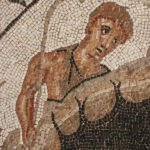 Faustulus
- Dogs: Loyal companions often associated with the underworld and protection.
- Wolves: Symbolized strength and were connected to the founding of Rome, particularly through the legend of Romulus and Remus.
- Snakes: Represented healing and were associated with the god Asclepius, reflecting the dual nature of animals as both harmful and beneficial.
Additionally, the lion was a symbol of bravery and nobility, often associated with the Roman Empire itself. It was common for emperors to use the lion in their imagery to convey power and strength. The horse also held great significance, symbolizing freedom and nobility. In Roman society, horses were essential for transportation and warfare, making them a vital part of both mythology and everyday life.
Mythological Stories Featuring Fauna
Many mythological stories in Roman culture highlight the role of animals in shaping the world and human experiences. One famous tale involves Orpheus, a legendary musician who could charm animals with his music. According to the myth, Orpheus ventured into the underworld to rescue his beloved Eurydice. His enchanting melodies captivated all creatures, including the fierce beasts of the underworld. This story illustrates the power of music and the deep connection between humans and animals, showcasing how they can transcend barriers.
Another notable myth is the tale of Actaeon, a skilled hunter who accidentally stumbled upon the goddess Diana while she was bathing. Enraged by his intrusion, Diana transformed Actaeon into a stag, and he was subsequently hunted down by his own dogs. This myth serves as a cautionary tale about the consequences of disrespecting nature and the divine. It emphasizes the belief that animals, when treated with reverence, could coexist peacefully with humans.
 Favonius
The Role of Animals in Roman Rituals
Animals also played a crucial role in Roman rituals and sacrifices. Many ceremonies involved the offering of animals to appease the gods or seek their favor. Sheep, goats, and pigs were among the most common animals sacrificed during religious festivals. These sacrifices were believed to ensure good fortune, fertility, and protection from harm. The act of sacrificing an animal was not taken lightly; it was a ritual steeped in tradition and respect for the creature being offered.
- Lupercalia: A festival dedicated to fertility and purification, where goats were sacrificed.
- Consualia: Celebrated with horse races and offerings to the god Consus, highlighting the importance of horses in Roman society.
- Vestalia: In honor of Vesta, where offerings of animals were made to ensure the safety of the household.
These rituals not only reflected the Romans’ reverence for animals but also their understanding of the interconnectedness of life. The act of offering an animal was seen as a way to maintain balance in the world and show gratitude for the resources provided by nature. Through these practices, animals were given a significant place in the spiritual and cultural landscape of ancient Rome.
Fauna in Roman Art and Literature
The influence of fauna can also be seen in Roman art and literature, where animals were often depicted in various forms. Sculptures, mosaics, and frescoes frequently featured animals, showcasing their beauty and significance in Roman life. For instance, mosaics often depicted hunting scenes, illustrating the bond between hunters and their prey. These artistic representations celebrated the majesty of wildlife and highlighted the importance of nature in Roman culture.
In literature, poets like Virgil and Ovid incorporated animals into their works, using them as symbols to convey deeper meanings. In Virgil’s “Georgics,” he wrote extensively about the relationship between humans and animals in agriculture, emphasizing the role of livestock in sustaining human life. Ovid’s “Metamorphoses” is filled with stories of transformation, where humans often turn into animals or vice versa, reflecting the fluid boundaries between species and the interconnectedness of all living beings.
Animals as Symbols of Virtue and Vice
In Roman mythology, animals were often used as symbols to represent various virtues and vices. For example, the fox symbolized cunning and deceit, often portrayed in fables and stories as a trickster figure. This association highlights the Romans’ understanding of human nature and the traits they valued or despised. On the other hand, the dove represented peace and purity, often linked to the goddess Venus. This duality in animal symbolism reflects the complexities of human emotions and behaviors.
- Horses: Represented freedom and nobility, admired for their strength and grace.
- Ravens: Associated with bad omens and death, often viewed with suspicion.
- Bees: Symbolized hard work and cooperation, revered for their role in nature.
This use of animals as symbols allowed the Romans to convey moral lessons and cultural values through storytelling and art. By attributing human-like qualities to animals, they were able to explore complex themes and emotions, making their mythology rich and multifaceted.
Impact of Fauna on Roman Society
The fauna of ancient Rome significantly impacted society, influencing everything from religion to daily life. Animals were integral to agriculture, providing food, labor, and companionship. Livestock such as cattle, sheep, and pigs were vital for sustenance, while horses were essential for transportation and warfare. The Romans recognized the importance of animals in their economy and social structure, leading to a culture that valued animal husbandry and care.
In addition to practical roles, animals were also a source of entertainment. Gladiatorial games often featured wild beasts, showcasing the power and ferocity of these animals. This practice, while controversial, reflected the Romans’ fascination with wildlife and their desire to demonstrate dominance over nature. The presence of animals in public spectacles further solidified their importance in Roman culture, blurring the lines between reverence and exploitation.
Conservation and Respect for Fauna
While the Romans had a complex relationship with animals, there were also elements of conservation and respect for wildlife in their culture. Many Romans believed in the idea of Numina, the spirits that inhabited natural elements, including animals. This belief fostered a sense of responsibility towards nature, encouraging individuals to treat animals with care and reverence. The notion that animals were part of a larger spiritual ecosystem influenced their attitudes toward hunting and farming practices.
- Protected Species: Certain animals, like the she-wolf, were considered sacred and protected by law.
- Seasonal Hunting: Restrictions were often placed on hunting during breeding seasons to ensure population sustainability.
- Wildlife Sanctuaries: Areas were designated as sacred groves, where animals could live without fear of harm.
These practices reflect an early understanding of ecological balance and the need to coexist with nature. The Romans’ reverence for certain animals and their acknowledgment of the spiritual dimensions of wildlife laid the groundwork for future conservation efforts, emphasizing the need to protect and preserve the natural world.
Modern Interpretations of Roman Fauna
Today, the influence of Roman fauna can still be seen in modern culture and literature. The stories and symbols associated with animals in Roman mythology continue to inspire artists, writers, and filmmakers. Many contemporary works draw upon the rich tapestry of Roman mythology, reinterpreting the roles of animals in new contexts. For example, films and novels often feature characters inspired by Roman deities, highlighting their connections to animals and nature.
Additionally, the study of Roman fauna provides valuable insights into contemporary discussions about wildlife conservation and the human-animal relationship. As society grapples with issues such as habitat destruction and species extinction, the lessons learned from Roman mythology remind us of the importance of respecting and preserving the natural world. By examining how the Romans viewed animals, we can gain a deeper appreciation for the interconnectedness of all living beings and the need for sustainable practices.
The Legacy of Roman Fauna in Education
Educational institutions often incorporate the study of Roman mythology and fauna into their curricula, recognizing the value of these ancient narratives in understanding human culture and history. By exploring the myths and stories surrounding animals, students can gain insights into the values and beliefs of ancient societies. This exploration fosters critical thinking and encourages discussions about ethics, environmental stewardship, and the role of animals in our lives.
- Mythology Courses: Many universities offer courses that delve into the mythology of ancient cultures, including the fauna of Rome.
- Environmental Studies: Programs often explore historical perspectives on wildlife and conservation, drawing parallels to modern challenges.
- Art and Literature: The influence of Roman fauna is studied in various artistic and literary contexts, inspiring new creative works.
Through education, the legacy of Roman fauna continues to shape our understanding of the world and our place within it. By examining these ancient beliefs and practices, we can cultivate a greater appreciation for the natural world and the diverse creatures that inhabit it.