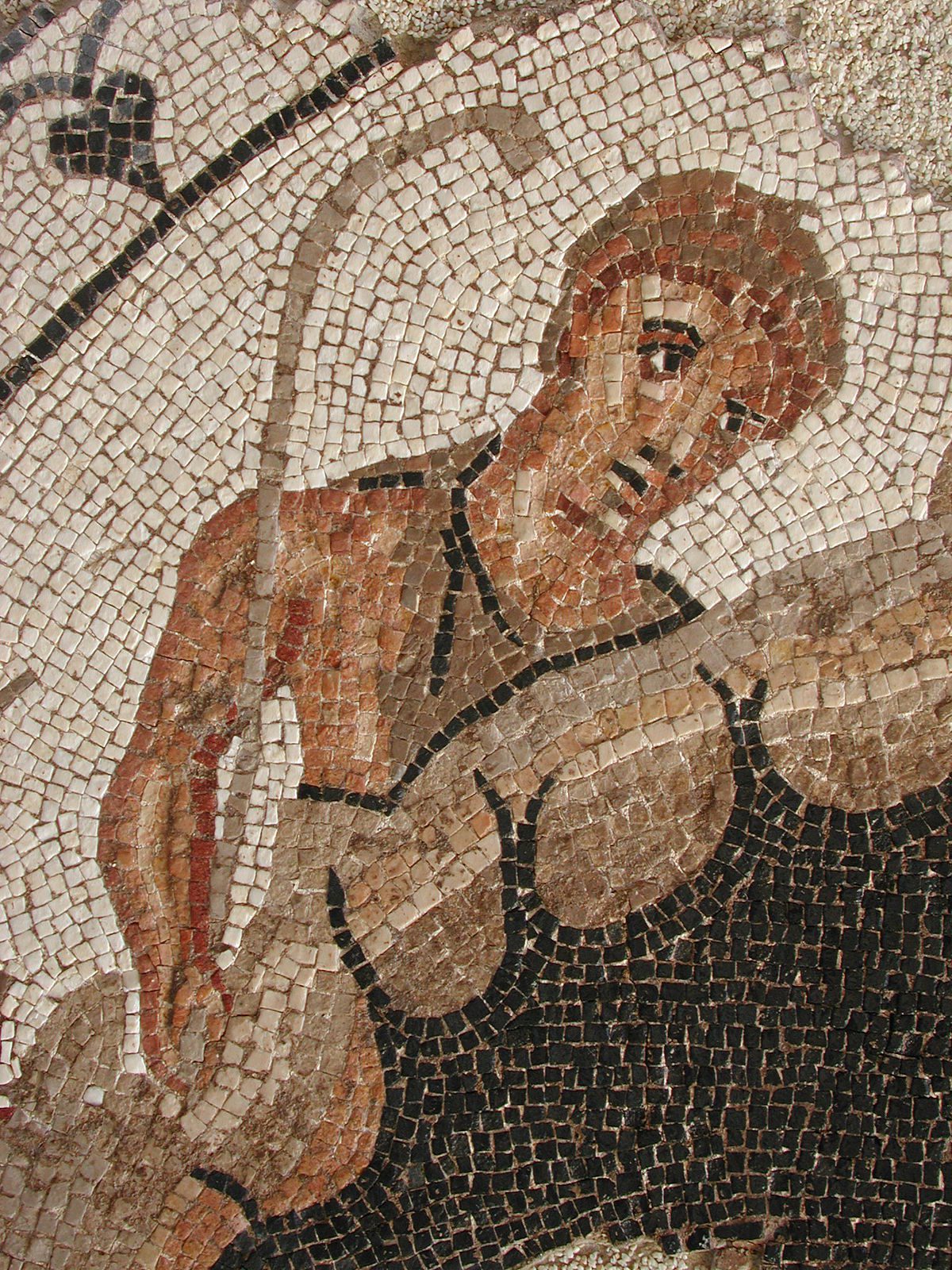
In Roman mythology, the figure of Faustulus holds significant importance, particularly in the legendary tale of the founding of Rome. Faustulus is often depicted as a humble shepherd who plays a crucial role in the upbringing of the twins Romulus and Remus, the legendary founders of Rome. His character embodies the themes of nurturing and protection, which are essential in the context of the twins’ survival against the odds. The story of Faustulus and his connection to Romulus and Remus is a rich narrative that reflects the values and beliefs of ancient Roman culture.
The Role of Faustulus in Roman Mythology
Faustulus is primarily known for discovering the twins, Romulus and Remus, who were abandoned at birth. According to the myth, they were left to die by the order of King Amulius, who feared they would one day overthrow him. However, fate intervened when a she-wolf found them and nursed them. Faustulus, while tending to his flock, stumbled upon the cave where the she-wolf had taken the twins. His discovery marked the beginning of a new chapter in the lives of Romulus and Remus, as he took them in and raised them as his own children.
 Favonius
The act of raising the twins was not just a simple task; it was filled with challenges and responsibilities. Faustulus and his wife, Acca Larentia, provided the twins with the care and love they needed to grow into strong young men. This nurturing aspect of Faustulus’s character highlights the importance of familial bonds and the impact of upbringing in shaping one’s destiny. The twins would eventually go on to fulfill their fate as the founders of Rome, but their early life under Faustulus’s guidance was crucial in preparing them for their future.
The Shepherd and His Family
Faustulus, as a shepherd, symbolizes the pastoral lifestyle that was common in ancient Rome. Shepherds were often seen as simple, yet wise individuals who had a deep connection with nature and the divine. Faustulus’s role as a shepherd not only emphasizes his humble origins but also illustrates the theme of protection and care in Roman society. He represents the ideal of the good shepherd, who looks after his flock with diligence and love.
Alongside Faustulus, his wife Acca Larentia played an essential role in the upbringing of Romulus and Remus. Together, they provided a loving and nurturing environment that helped shape the twins’ character. Acca Larentia, in particular, is often associated with the nurturing aspects of motherhood. Their partnership in raising the twins reflects the importance of family and community in Roman culture. This theme resonates throughout the mythology of Rome, where the family unit was considered the cornerstone of society.
 Februus
Faustulus and the Founding of Rome
The story of Faustulus is intricately linked to the legendary founding of Rome. After being raised by Faustulus, Romulus and Remus eventually learned about their true heritage and the injustices faced by their grandfather, Numitor, who had been overthrown by Amulius. This knowledge ignited a sense of justice and destiny in the twins. They decided to take action against Amulius, leading to a series of events that culminated in the establishment of Rome. Faustulus’s influence during their formative years was crucial, as he instilled in them the values of bravery, loyalty, and the importance of family.
The twins’ eventual revolt against Amulius and the reclaiming of their grandfather’s throne can be seen as a direct result of Faustulus’s teachings. The nurturing environment he provided allowed Romulus and Remus to grow into capable leaders who were willing to fight for their rightful place in the world. This transition from shepherding to leadership underscores the idea that humble beginnings can lead to great destinies, a common theme in many myths and legends.
 Felicitas
Symbolism of Faustulus in Roman Culture
In Roman culture, Faustulus represents more than just a shepherd; he embodies the spirit of protection and nurturing. His character serves as a reminder of the importance of caring for the vulnerable, a value that was highly esteemed in Roman society. The act of saving and raising Romulus and Remus highlights the significance of community and the responsibility individuals have towards one another. Faustulus’s actions can be interpreted as a metaphor for the collective effort required to build a strong society.
Moreover, Faustulus’s story reflects the Roman belief in fate and destiny. The twins were destined to become the founders of Rome, and Faustulus played a pivotal role in ensuring they survived long enough to fulfill this destiny. This intertwining of personal choice and divine intervention is a common motif in Roman mythology, emphasizing the belief that individuals can shape their destinies through their actions, even when faced with overwhelming odds.
The Legacy of Faustulus
The legacy of Faustulus extends beyond the myth of Romulus and Remus. His story has been retold in various forms throughout history, reflecting the enduring nature of the themes he represents. The nurturing shepherd who raises future leaders resonates with audiences across different cultures and eras. This narrative has inspired countless works of art, literature, and scholarship, contributing to our understanding of Roman mythology and its cultural significance.
In addition to literature, the figure of Faustulus has been represented in visual arts, such as paintings and sculptures, where he is often depicted with the twins. These artistic representations serve to immortalize his role in the myth and highlight the values associated with his character. The continued fascination with Faustulus and the story of Romulus and Remus illustrates the timeless appeal of mythology and its ability to convey essential human experiences.
Faustulus in Modern Interpretations
In modern interpretations of Roman mythology, Faustulus is sometimes viewed through a psychological lens, where his role as a nurturing figure is analyzed in terms of archetypes. The archetype of the caregiver is prevalent in various cultures, and Faustulus exemplifies this through his actions. This perspective allows for a deeper understanding of the character’s motivations and the societal values reflected in the myth.
Additionally, Faustulus’s story can be seen as a commentary on the importance of community and support systems in raising children. In today’s world, where family structures are diverse and often complex, the essence of Faustulus’s nurturing spirit remains relevant. His character serves as a reminder of the vital role that caregivers play in shaping the lives of future generations, emphasizing that the impact of love and support can transcend time and cultural boundaries.
Conclusion: The Enduring Influence of Faustulus
The story of Faustulus is a testament to the enduring nature of Roman mythology and its ability to convey universal themes. His character embodies the values of protection, nurturing, and community, which resonate with audiences across different cultures and eras. The impact of Faustulus on the lives of Romulus and Remus serves as a reminder of the importance of upbringing and the role of caregivers in shaping destinies. As we explore the rich tapestry of Roman mythology, the legacy of Faustulus continues to inspire and remind us of the timeless qualities that define humanity.