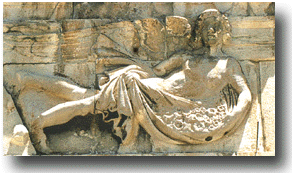
Favonius is a significant figure in Roman mythology, representing the west wind. This deity is part of the broader pantheon of Roman gods and goddesses, each associated with various natural elements and forces. Favonius, in particular, is known for his gentle and nurturing qualities, which contrast with the harsher winds. His role is often depicted as one that brings favorable weather, making him a crucial figure for agriculture and navigation. In this article, we will explore the various aspects of Favonius, his significance in Roman culture, and how he compares to other wind gods.
The Origins of Favonius
The origins of Favonius can be traced back to ancient Roman beliefs about the natural world. The Romans, like many ancient cultures, personified natural phenomena as deities. Winds were particularly important because they affected the climate and, consequently, the agricultural practices of the time. Favonius is often depicted as a youthful figure, embodying the essence of the west wind. This wind was considered to bring mildness and fertility to the lands it touched.
 Februus
Favonius is sometimes associated with the Greek god Zefiro, who also represents the west wind. The Romans adopted many aspects of Greek mythology, often merging their gods and attributes. This blending of cultures enriched the Roman pantheon, allowing for a more nuanced understanding of natural forces. Favonius was worshipped for his ability to bring gentle breezes that facilitated safe travel and bountiful harvests.
The Role of Favonius in Agriculture
A significant aspect of Favonius’s role in Roman mythology is his connection to agriculture. The west wind was believed to bring the warmth necessary for crops to grow. Farmers relied on the favorable winds to ensure that their fields received adequate moisture and warmth. As a result, Favonius was often invoked in prayers and rituals aimed at securing a good harvest. Romans would offer sacrifices and hold festivals in his honor, showcasing the importance of this deity in their agricultural calendar.
 Felicitas
During the harvest season, special ceremonies were held to thank Favonius for the bounty of the earth. These rituals often included offerings of fruits, grains, and flowers, symbolizing the fruits of labor and gratitude. The gentle winds associated with Favonius were seen as a blessing, ensuring that the crops would not only grow but also flourish. In this way, Favonius was integral to the Roman way of life, linking the divine with the earthly.
Favonius and Navigation
Favonius’s influence extended beyond agriculture into the realm of navigation. Sailors relied on favorable winds for safe and successful voyages. The west wind, represented by Favonius, was crucial for navigating the Mediterranean Sea. Roman sailors would often pray to Favonius before embarking on their journeys, seeking his protection and favorable conditions. The west wind was known for its gentle nature, making it ideal for smooth sailing.
In Roman maritime culture, the winds were personified, and each had specific characteristics. Favonius, with his soft breezes, was preferred by sailors who wished to avoid the fierce storms brought by other winds. The connection between Favonius and navigation highlights the deity’s importance in various aspects of Roman life. His blessings were seen as essential for trade, exploration, and communication between distant lands.
 Feronia
Festivals and Worship of Favonius
The worship of Favonius included various festivals and rituals throughout the year. These celebrations were often linked to the agricultural calendar, coinciding with planting and harvest seasons. Romans would gather to honor Favonius, offering prayers and sacrifices. One of the most notable festivals was the Vinalia, which celebrated the vintage and the growth of the vine. During this festival, Favonius was invoked to ensure a successful grape harvest, emphasizing his role in agriculture.
- Prayers and Offerings: Romans would present fruits and flowers to Favonius as symbols of gratitude.
- Processions: Communities often held processions to honor Favonius, featuring music, dance, and theatrical performances.
- Rituals: Specific rituals were performed to invoke Favonius’s blessings, particularly before important agricultural activities.
These festivals served not only as religious observances but also as community gatherings, strengthening social bonds among the people. The rituals surrounding Favonius’s worship reflected the Romans’ deep connection to nature and their reliance on its forces for survival. Through these celebrations, the Romans expressed their respect and gratitude towards the deity, reinforcing the cultural significance of Favonius in their society.
Favonius in Literature and Art
Favonius’s influence can also be seen in Roman literature and art. Poets and writers often referenced the winds and their deities, including Favonius, to convey deeper meanings in their works. For instance, in the writings of Virgil, the gentle winds are often depicted as bringing peace and prosperity. Such literary references highlight the cultural significance of Favonius, as well as the broader themes of nature’s influence on human life.
In art, Favonius was sometimes depicted alongside other wind gods, illustrating the Roman fascination with the natural elements. Artists would portray him as a youthful figure, often surrounded by symbols of nature, such as flowers and vines. These representations served to emphasize his role as a benevolent deity who nurtured the earth. Through various forms of artistic expression, Favonius became a symbol of the harmony between humanity and nature.
Comparing Favonius to Other Wind Gods
In Roman mythology, Favonius is just one of several wind gods. Each wind was personified and attributed specific characteristics. For instance, the north wind, known as Septentrio, was considered harsh and cold, in stark contrast to Favonius. Similarly, the east wind, or Subsolanus, was associated with storms and turbulence. This distinction between the winds illustrates the Romans’ understanding of nature as a complex system of forces, each with its own personality and impact.
When comparing Favonius to other wind deities, it’s clear that his role is more aligned with growth and nurturing rather than destruction. While other winds could bring chaos and hardship, Favonius was seen as a source of hope and abundance. This difference highlights the Romans’ reverence for the west wind, as it played a vital role in their daily lives and agricultural practices.
The Legacy of Favonius
The legacy of Favonius continues to resonate in modern times, particularly in discussions about the environment and nature. His representation as a nurturing force serves as a reminder of the importance of balance in our relationship with the natural world. As we face challenges such as climate change and environmental degradation, the qualities embodied by Favonius—gentleness, growth, and prosperity—become increasingly relevant.
Moreover, the stories and rituals associated with Favonius offer insights into ancient Roman culture, revealing their deep connection to nature. By studying these myths, we can gain a better understanding of how ancient peoples viewed the world around them. The reverence for natural forces reflected in the worship of Favonius serves as a lesson for contemporary society to appreciate and protect the environment.
Conclusion: The Enduring Importance of Favonius
Favonius remains a compelling figure in Roman mythology, representing the gentle and nurturing aspects of the west wind. His influence on agriculture, navigation, and cultural practices underscores the significance of natural forces in ancient Roman life. Through rituals, literature, and art, Favonius has left a lasting mark on the cultural heritage of Rome. As we navigate our own relationship with nature, the lessons of Favonius remind us of the importance of harmony, respect, and gratitude towards the environment.