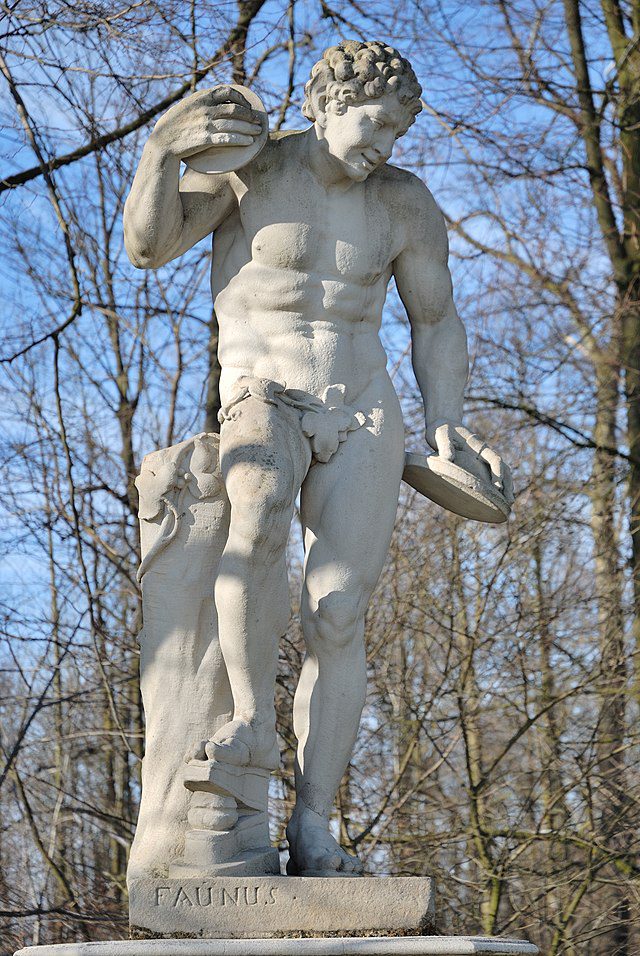
In Roman mythology, Faunus is a significant deity associated with nature, fertility, and the forest. He is often depicted as a protector of animals and a guardian of the wild. Faunus has roots in the earlier Italian god, Faunus, who was linked to agriculture and the fertility of the land. Over time, the characteristics of Faunus evolved, and he became a symbol of the rustic and pastoral aspects of life. His presence in mythology represents the importance of nature and its cycles, reflecting how ancient Romans viewed their relationship with the environment.
The Origins of Faunus
The origins of Faunus can be traced back to ancient Italic traditions, where he was revered as a god of the fields and livestock. The Latin word “faunus” is thought to derive from “favo,” meaning “to favor” or “to grant.” This etymology reflects his role as a benevolent deity who offers protection and prosperity to farmers and herders. As the Romans expanded their influence, they integrated various aspects of Greek mythology, leading to the merging of Faunus with the Greek god Panicus, a deity associated with the wild and rustic settings.
 Faustulus
In the early Roman culture, Faunus was often depicted as a half-man, half-goat figure, similar to the Greek satyrs. This representation emphasizes his connection to nature and the animal world. He was celebrated in rural festivals, where people would honor him through dances and offerings. His worship was particularly strong in the countryside, where people relied on agriculture for their livelihood. This connection to farming and fertility made him a vital figure in Roman religious practices.
Faunus in Roman Religion
Faunus held a significant place in the Roman pantheon, and his worship was intertwined with various agricultural festivals. The most notable of these celebrations was the Faunalia, a festival dedicated to Faunus, where people would pay homage to him in hopes of a bountiful harvest. During the Faunalia, offerings of food, wine, and animals were made at altars set up in his honor. These rituals highlighted the importance of gratitude towards the gods for their blessings and protection.
In addition to his role in agriculture, Faunus was also associated with the protection of flocks and herds. Shepherds and farmers would invoke his name for safe pastures and abundant livestock. The Romans believed that Faunus had the power to ward off evil spirits and ensure the well-being of their animals. This connection to pastoral life further solidified his status as a vital deity in the everyday lives of the Roman people.
 Favonius
Symbols and Attributes of Faunus
Faunus is often depicted with various symbols that represent his attributes and powers. One of the most recognizable symbols associated with him is the cornucopia, a horn-shaped container overflowing with fruits and vegetables. This symbol signifies abundance and the prosperity that comes from a fruitful harvest. It embodies the idea of nature’s generosity, reminding people of the rewards that come from respecting and nurturing the land.
Another common attribute of Faunus is the staff or flute, which he is often shown carrying. The staff represents his authority over the natural world, while the flute symbolizes his connection to music and joy. Faunus was believed to be a patron of shepherds, who would play music to soothe their flocks. This musical aspect of Faunus highlights the harmonious relationship between humans and nature, as well as the joy that can be found in rural life.
Faunus in Literature and Art
Faunus has been a subject of fascination in Roman literature and art. Poets such as Virgil and Ovid often referenced him in their works, depicting his character and the attributes associated with him. In Virgil’s Georgics, Faunus is portrayed as a guardian of the fields, emphasizing the importance of agriculture and the cycles of nature. This portrayal reinforces the idea that Faunus is not just a deity of fertility but also a symbol of the deep connection between humans and the earth.
 Februus
In art, Faunus is frequently depicted in sculptures and mosaics, often shown in a playful or relaxed pose, embodying the spirit of the wild. His half-goat form is a common representation, symbolizing his dual nature as both a human and a creature of the forest. These artistic interpretations capture the essence of Faunus as a figure who embodies the beauty and unpredictability of nature, serving as a reminder of the wildness that exists in the world.
Faunus and His Legacy
Despite the passage of time and the decline of Roman paganism, the legacy of Faunus endures in various cultural references. His character has influenced modern depictions of nature deities and rustic figures in literature and art. The image of the satyr, which shares similarities with Faunus, continues to be a popular representation of nature and fertility in contemporary culture.
Moreover, the themes associated with Faunus—such as the importance of nature, fertility, and the connection between humans and the earth—remain relevant today. As society becomes increasingly aware of environmental issues, the lessons embodied by Faunus about respecting and nurturing the natural world resonate with modern audiences. His legacy serves as a reminder of the enduring bond between humanity and the environment, urging us to appreciate and protect the natural resources that sustain us.
Faunus in Modern Context
In modern contexts, Faunus is often referenced in discussions about nature conservation and the importance of environmental stewardship. His attributes as a protector of the wild and a deity of fertility align with contemporary movements aimed at preserving natural habitats and promoting sustainable practices. Many environmental organizations draw inspiration from ancient myths like that of Faunus to advocate for the protection of biodiversity and ecosystems.
Additionally, Faunus is sometimes invoked in discussions about the psychological and emotional benefits of spending time in nature. The idea of reconnecting with the earth and embracing the beauty of the natural world echoes the themes found in ancient Roman worship of Faunus. This connection serves as a reminder of the importance of mental well-being and the positive effects of nature on human health.
While the worship of Faunus may have diminished with the rise of Christianity, his influence persists in various aspects of culture and society. From literature to environmentalism, the themes associated with Faunus continue to inspire and resonate with people today. His legacy as a deity of nature and fertility serves as a reminder of the importance of nurturing our connection to the earth and respecting the natural world around us.