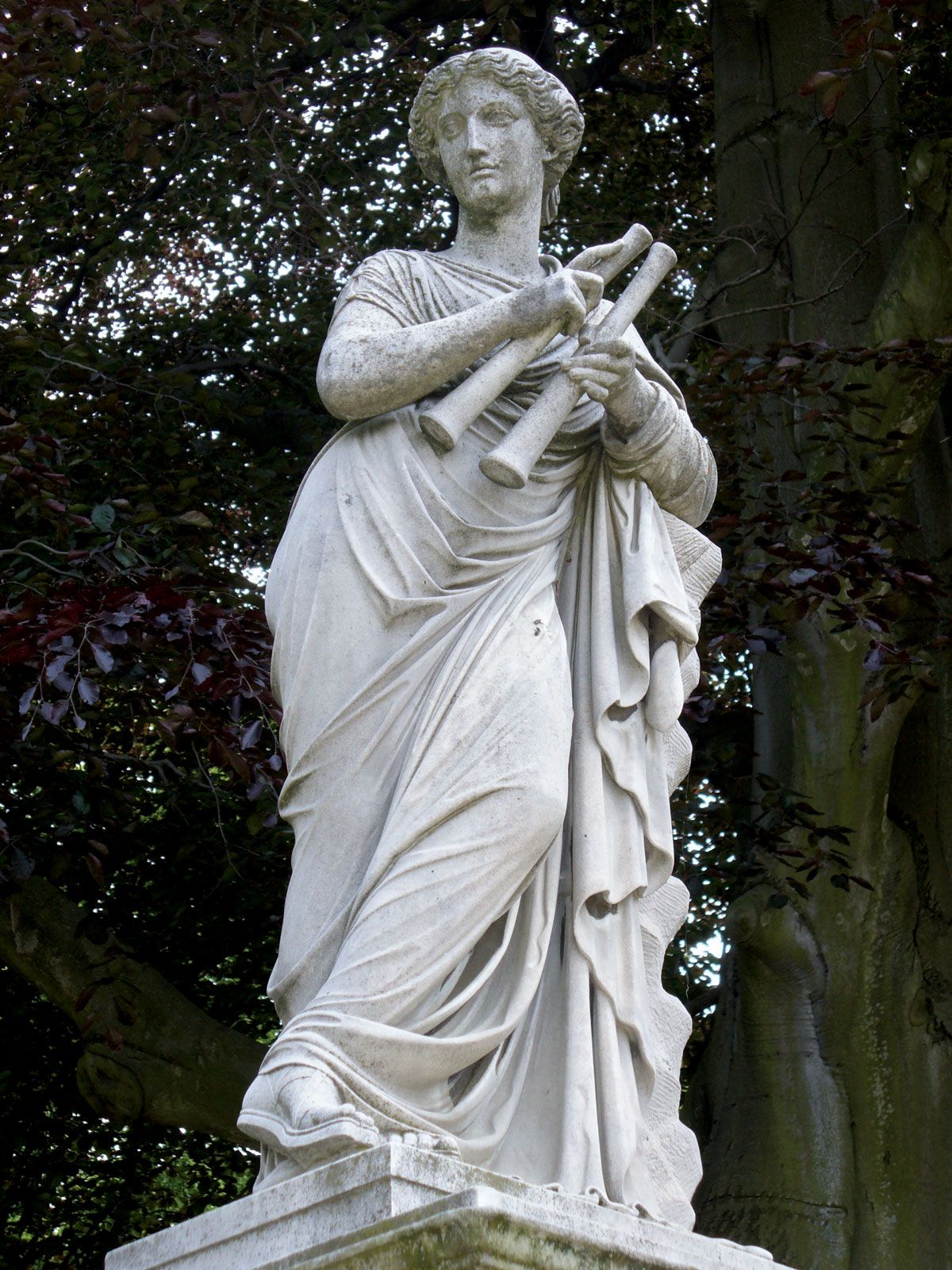
Euterpe is one of the nine Muses in Greek mythology, often associated with the arts and, more specifically, with music. As the Muse of lyric poetry, Euterpe is believed to inspire creativity in poets and musicians alike. Her name translates to “the giver of much delight,” which highlights her importance in the world of the arts. The Muses, including Euterpe, were considered to be divine beings who offered inspiration and guidance to artists, scholars, and philosophers. They played a significant role in ancient Greek culture, and their influence can still be seen in various forms of art and literature today.
The Role of Euterpe in Greek Mythology
In Greek mythology, Euterpe is often depicted as a beautiful woman holding a musical instrument, typically a flute or a lyre. These instruments symbolize her connection to music and the joy it brings to human life. Euterpe, like her fellow Muses, was believed to reside on Mount Olympus, where she would inspire those who sought to create art. Her influence extended beyond just music; she also inspired poetry, particularly forms that were sung or performed with musical accompaniment.
 Fates
FatesThe Muses were often called upon by poets and musicians in their works. Euterpe, as the Muse of lyric poetry, was especially important for those who wrote songs and poems meant to be performed. Her presence was believed to enhance the beauty and emotional depth of their creations. Artists would invoke Euterpe’s name at the beginning of their works, seeking her guidance and inspiration to create something truly memorable.
Euterpe’s Symbolism and Attributes
Euterpe is frequently associated with various symbols that represent her domain over music and poetry. One of her most recognizable symbols is the flute, which reflects her mastery of melody and rhythm. The flute has been a prominent instrument in many cultures throughout history, often used in celebratory and ceremonial contexts. Euterpe’s connection to this instrument emphasizes her role in bringing joy and harmony to the world through music.
Another significant attribute of Euterpe is her ability to inspire emotions. Music has a unique power to evoke feelings, and Euterpe embodies this aspect of artistic expression. Her influence can be seen in the way music can uplift spirits, heal wounds, and bring people together. Euterpe’s gifts allow artists to tap into their deepest emotions and express them through their work, creating a lasting impact on their audience.
 Gaia
GaiaEuterpe in Art and Literature
Euterpe has been a popular figure in various forms of art and literature throughout history. Many artists have portrayed her in paintings, sculptures, and other artistic mediums. These representations often highlight her beauty and grace, as well as her connection to music. In many classical artworks, Euterpe is shown with her flute, surrounded by nature, symbolizing the harmony between music and the natural world.
In literature, Euterpe has inspired countless poets and writers. Many have dedicated verses to her, acknowledging her role in their creative processes. The ancient Greeks often referenced the Muses in their works, and Euterpe was no exception. Her influence can be seen in the lyrics of many songs and the themes of various poems that explore the beauty of music and its emotional power.
Euterpe’s Influence on Modern Culture
The legacy of Euterpe continues to thrive in modern culture. Her association with music and poetry resonates with artists today, who still seek inspiration from the Muses. Many musicians and poets reference Euterpe in their works, acknowledging her as a source of creativity. This connection to ancient mythology allows contemporary artists to draw upon a rich tradition while creating something new and innovative.
 Galeus
Furthermore, Euterpe’s influence can be seen in the way music is celebrated in modern society. Festivals, concerts, and other musical events often pay homage to the Muses, with Euterpe being a prominent figure. The idea of music as a universal language that brings people together is a theme that aligns with Euterpe’s essence. Artists continue to strive for the emotional depth and beauty that Euterpe represents, making her a timeless symbol in the world of art.
Euterpe and Other Muses
Euterpe is one of nine Muses, each with her own domain and area of expertise. The other Muses include Calliope, the Muse of epic poetry; Clio, the Muse of history; Erato, the Muse of love poetry; Melpomene, the Muse of tragedy; Polyhymnia, the Muse of sacred poetry; Terpsichore, the Muse of dance; Thalia, the Muse of comedy; and Urania, the Muse of astronomy. Together, they represent the full spectrum of the arts and sciences, each contributing to the cultural heritage of ancient Greece.
While each Muse has her unique focus, they often intersect and collaborate in their influence on artists. For example, a musician might draw inspiration from Euterpe while also incorporating elements of epic storytelling, thus invoking the spirit of Calliope. This interconnectedness reflects the holistic nature of creativity, where different forms of art can influence and enhance one another.
The Worship of the Muses
The ancient Greeks held the Muses in high regard, often worshiping them through various rituals and ceremonies. Temples and shrines dedicated to the Muses were built, where artists and scholars would come to seek their favor. Euterpe, as the Muse of music and poetry, was especially revered by musicians and poets who sought her inspiration in their creative endeavors.
Rituals dedicated to the Muses often involved music, dance, and poetry recitals. Participants would perform in hopes of gaining Euterpe’s blessing, believing that her presence would enhance their artistic abilities. These practices highlight the deep connection between spirituality and the arts in ancient Greek culture, where the Muses were seen as divine sources of creativity and inspiration.
Euterpe’s Legacy in Music Education
Euterpe’s influence extends into modern music education, where her legacy is celebrated in various ways. Music programs and institutions often reference the Muses, with Euterpe representing the joy and creativity found in music. Many music educators draw upon the idea of Euterpe when teaching students about the emotional power of music and its ability to express complex feelings.
Furthermore, Euterpe’s role as a source of inspiration encourages students to explore their creativity. In music education, students are often encouraged to find their unique voice and express themselves through their compositions. This emphasis on creativity aligns with Euterpe’s essence, reminding students that music is not just about technical skill but also about emotional expression and connection.
The Relevance of Euterpe Today
Today, Euterpe remains a relevant figure in discussions about the arts and creativity. Her influence is felt in various artistic disciplines, from music and poetry to dance and visual arts. Artists continue to draw inspiration from her character, seeking to capture the beauty and emotion that she represents. Euterpe’s legacy serves as a reminder of the importance of creativity in human life and the power of art to connect people.
Moreover, Euterpe’s story emphasizes the value of inspiration in the creative process. In a world that often prioritizes productivity over creativity, her influence encourages individuals to take the time to seek inspiration and nurture their artistic endeavors. Euterpe’s presence in modern culture serves as a beacon for those who wish to explore their creative potential and share their unique voices with the world.
Euterpe in Popular Culture
In popular culture, Euterpe has found her way into various forms of media, including films, literature, and music. Her character is often referenced in works that explore themes of creativity and inspiration. For instance, movies that celebrate the arts may include nods to the Muses, with Euterpe representing the spirit of music and poetry.
Additionally, Euterpe’s influence can be seen in contemporary music, where artists frequently explore themes of love, loss, and the emotional power of music. Many songs evoke the spirit of Euterpe, celebrating the joy and beauty that music brings to life. Her legacy continues to inspire musicians to create works that resonate with their audiences, ensuring that her impact on the arts remains strong.
The Study of Euterpe in Academia
Academics and scholars have long been interested in the Muses, including Euterpe, as figures of cultural significance. The study of Euterpe often involves exploring her role in ancient Greek society and how she influenced artistic expression. Scholars analyze ancient texts, artworks, and rituals dedicated to Euterpe, seeking to understand her impact on the development of music and poetry in Greek culture.
Furthermore, Euterpe’s study extends to discussions about the nature of creativity and inspiration in the arts. Academics examine how the concept of the Muses has evolved over time and how it continues to influence contemporary views on artistic expression. This scholarly interest highlights the enduring relevance of Euterpe and her fellow Muses in understanding the complexities of creativity and the human experience.
Euterpe’s legacy as the Muse of music and lyric poetry continues to inspire artists and audiences alike. Her connection to the emotional power of music and the joy it brings to life serves as a reminder of the importance of creativity in our world. As we celebrate the arts and their ability to connect us, Euterpe remains a timeless figure, guiding us toward the beauty and harmony that music offers.