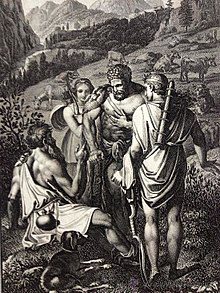
In the rich tapestry of Greek mythology, one of the lesser-known yet intriguing figures is Galeus. While many mythological characters are celebrated for their heroic deeds or tragic tales, Galeus stands out for his unique attributes and the stories surrounding him. He is often associated with themes of transformation and the natural world, making him a significant figure in various myths. Understanding Galeus requires delving into the context of Greek mythology and the various narratives that feature him.
Origins of Galeus
The origins of Galeus are somewhat murky, as with many figures in Greek mythology. His name is believed to be derived from the word “gale,” which means weasel or marten in Greek. This association with small, agile creatures hints at the characteristics attributed to him: cunning, adaptability, and a connection to nature. Some myths suggest that Galeus was born from the union of lesser gods or nature spirits, highlighting his ties to the earth and the natural world.
 Ganymede
In various texts, Galeus is portrayed as a being who can shift forms, embodying the essence of the creatures he represents. This ability to transform is significant, as it aligns him with other mythological figures known for their shape-shifting capabilities, such as Proteus and Metis. The theme of transformation is prevalent in Greek myths, symbolizing the fluidity of identity and the interconnectedness of all living things.
Galeus in Mythology
Galeus appears in several myths, often as a minor character who plays a pivotal role in the stories of more prominent figures. One of the most notable tales involves Galeus helping a hero navigate through a treacherous forest. In this myth, the hero, faced with peril, encounters Galeus, who offers guidance and wisdom. This assistance underscores the idea that even the smallest creatures can have a significant impact on the lives of heroes, reinforcing the theme of humility and the value of all beings.
In another narrative, Galeus is depicted as a guardian of a sacred grove, where ancient trees hold the spirits of the earth. This grove is a place of healing and transformation, and Galeus’s role as a protector emphasizes the importance of nature in Greek mythology. The stories surrounding Galeus often highlight the delicate balance between humanity and nature, showcasing how the actions of mortals can affect the natural world.
 Geryon
The Symbolism of Galeus
The symbolism associated with Galeus is multifaceted. As a figure linked to nature, he represents the interconnectedness of life and the importance of respecting the environment. His shape-shifting abilities symbolize adaptability and resilience, traits that are essential for survival in a constantly changing world. Galeus embodies the idea that change is a natural part of existence, and embracing transformation can lead to growth and understanding.
Additionally, Galeus serves as a reminder of the power of humility. His minor status in the pantheon of Greek gods does not diminish his significance. Instead, it highlights the idea that greatness can be found in unexpected places. This message resonates deeply within the context of Greek mythology, where many heroes often learn valuable lessons from humble beginnings or seemingly insignificant characters.
 Glaucus
Galeus and the Environment
In the context of Greek mythology, the environment plays a crucial role in shaping the narratives and characters. Galeus, as a nature spirit, is intricately linked to the earth, forests, and wildlife. Myths featuring him often explore the relationship between humans and the natural world, emphasizing the need for harmony and balance. This relationship is especially relevant today as we face environmental challenges, making Galeus a symbol of ecological awareness.
- Connection to Nature: Galeus represents the bond between humanity and the environment.
- Guardian of the Forest: His role as a protector of sacred groves emphasizes the importance of preserving nature.
- Lessons in Respect: The myths encourage respect for all living beings and the ecosystems they inhabit.
Through Galeus, the myths teach that the actions of individuals can have profound effects on the environment. The stories often illustrate how careless behavior can lead to destruction, while respectful and mindful actions can foster growth and healing. This duality serves as a reminder of the responsibilities we have towards the world around us.
Galeus in Art and Literature
Throughout history, Galeus has inspired various forms of art and literature, although he may not be as widely recognized as other mythological figures. Artists have depicted him in paintings and sculptures, often emphasizing his connection to nature. These representations typically showcase him surrounded by flora and fauna, symbolizing the harmony between humanity and the environment.
In literature, Galeus appears in several ancient texts, often mentioned in passing within larger stories. Poets and playwrights have drawn upon his character to explore themes of transformation, nature, and humility. His presence in these works serves as a reminder of the rich tapestry of characters that populate Greek mythology, each contributing to the overarching narratives of the time.
Modern Interpretations of Galeus
In contemporary discussions of mythology, Galeus has found a new audience. As environmental issues gain prominence, his character is often revisited as a symbol of ecological stewardship. Modern interpretations of Galeus emphasize the importance of protecting nature and highlight the lessons that can be learned from ancient myths.
Writers and environmentalists alike have drawn parallels between Galeus and modern-day advocates for nature conservation. His story serves as a source of inspiration for those working to raise awareness about environmental issues, illustrating how mythology can inform contemporary values and actions. Galeus’s adaptability and connection to the earth resonate with current movements focused on sustainability and respect for the natural world.
The Legacy of Galeus
The legacy of Galeus is one of quiet strength and profound wisdom. While he may not be a household name in the realm of Greek mythology, his teachings about nature, transformation, and humility continue to resonate. His character serves as a reminder that every being, no matter how small, has a role to play in the grand tapestry of existence.
As we reflect on the stories of Galeus, we are encouraged to consider our relationship with the environment and the impact of our actions. The lessons embedded in his myths promote a sense of responsibility towards the earth and its inhabitants, urging us to act with care and consideration. In a world that often overlooks the small and seemingly insignificant, Galeus reminds us that true greatness can be found in humility and respect for all living things.
In the expansive world of Greek mythology, Galeus may occupy a small niche, but his significance is undeniable. Through the exploration of his origins, symbolism, and impact on art and literature, we can appreciate the rich narratives that surround this character. Galeus embodies themes that are relevant today, reminding us of the importance of nature and the interconnectedness of all life. As we navigate the complexities of modern existence, the stories of Galeus serve as a guiding light, urging us to honor and protect the world we inhabit.