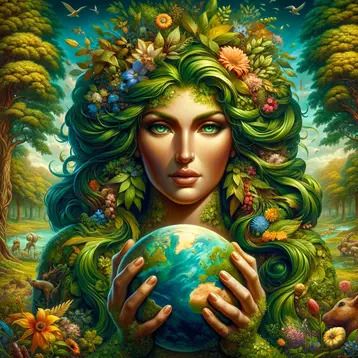
In Greek mythology, Gaia is known as the personification of the Earth. She is one of the primordial deities and is often referred to as the mother of all life. Gaia emerged at the beginning of time, representing the fertile land and the natural world. Her significance is profound, as she is not only the Earth itself but also the mother of many other deities and creatures. Her role in various myths illustrates the importance of nature and the earth in ancient Greek culture.
The Origins of Gaia
According to ancient Greek texts, Gaia was born out of Chaos, the void that existed before anything else. This creation myth highlights the idea that from nothingness, the Earth emerged. As the Earth Mother, she is often depicted as a nurturing figure, embodying fertility and growth. Gaia is sometimes described as having given birth to the sky, Uranus, who became her husband. Together, they represent the union of Earth and Sky, a fundamental concept in Greek mythology.
 Galeus
Gaia’s children include many of the Titans, powerful beings who ruled during the Golden Age. Among her offspring were Cronus, Rhea, Oceanus, and Hyperion. Each of these children played significant roles in various myths, shaping the course of Greek mythology. The relationship between Gaia and Uranus is particularly noteworthy, as it sets the stage for the conflicts that arise among the gods and titans. Their story illustrates the complex dynamics of family, power, and the natural world.
Gaia in Greek Mythology
Gaia’s presence is felt throughout numerous myths and legends. She is often invoked in stories involving creation and destruction. For example, in the myth of the Titanomachy, Gaia supports her son Cronus in his rebellion against Uranus. After Cronus defeats Uranus, Gaia becomes a vital figure in the continuation of the lineage of gods. This myth highlights her dual nature as both a creator and a force of vengeance.
In addition to her role in the Titanomachy, Gaia is also known for her involvement in the myth of the Gigantomachy. In this story, the giants, born from Gaia’s blood, rise against the Olympian gods. Gaia supports her children in their quest for power, showcasing her fierce maternal instincts. The battles between the giants and the gods symbolize the struggle between the old world of chaos and the new order established by the Olympians.
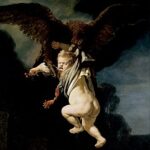 Ganymede
Gaia’s Symbolism and Representation
Gaia is often depicted in art and literature as a motherly figure with a nurturing demeanor. She is commonly illustrated as a woman emerging from the earth, surrounded by plants, animals, and natural elements. This representation emphasizes her connection to the earth and the life it sustains. In many ancient texts, Gaia is described as a source of fertility, representing the agricultural abundance that was crucial for the survival of ancient civilizations.
In addition to her maternal qualities, Gaia also embodies the concept of balance. She is a symbol of harmony in nature, where all living things coexist. This balance is essential for the health of the environment, reflecting the ancient Greeks’ understanding of the interconnectedness of life. Gaia’s duality as both a nurturing mother and a powerful force of nature serves as a reminder of the complexities of the earth and its ecosystems.
Gaia and the Ancient Greeks
The ancient Greeks held Gaia in high regard, often invoking her in rituals and ceremonies. She was considered a protector of the land and was associated with agricultural practices. Farmers would pay homage to Gaia to ensure a bountiful harvest, recognizing her as the source of fertility. This connection between Gaia and agriculture underscores the importance of the earth in Greek society.
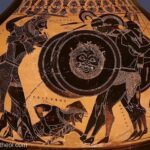 Geryon
Furthermore, Gaia was also revered in various cult practices. Sacred groves and natural sites were dedicated to her worship, where people would gather to celebrate her influence on the earth. These practices highlight the deep reverence the Greeks had for nature and the environment. Gaia’s presence in their daily lives served as a reminder of the need to respect and protect the earth.
Gaia in Modern Culture
Today, Gaia continues to be a symbol of environmentalism and sustainability. The concept of “Gaia theory,” proposed by scientist James Lovelock, suggests that the Earth functions as a self-regulating system. This idea echoes the ancient beliefs about the interconnectedness of life and the importance of maintaining balance within the ecosystem. Many modern environmental movements draw inspiration from Gaia, emphasizing the need to protect the planet and promote sustainable practices.
In popular culture, Gaia appears in various forms of media, from literature to film. She is often depicted as a powerful figure who represents nature’s strength and resilience. These portrayals serve to remind audiences of the significance of the earth and the consequences of environmental neglect. By invoking Gaia in contemporary narratives, creators highlight the enduring relevance of her mythological legacy.
Gaia’s influence in Greek mythology is profound and multifaceted. As the embodiment of the earth, she represents both the nurturing and destructive aspects of nature. Her relationships with other deities and her role in various myths illustrate the complexities of life, power, and the environment. The ancient Greeks’ reverence for Gaia reflects their understanding of the interconnectedness of all living things, a concept that remains relevant today.
Through her representation in modern culture and the ongoing environmental movements inspired by her legacy, Gaia continues to be a powerful symbol of nature’s importance. Her story serves as a reminder of the need to respect and protect the earth, ensuring that future generations can experience the beauty and abundance it offers.