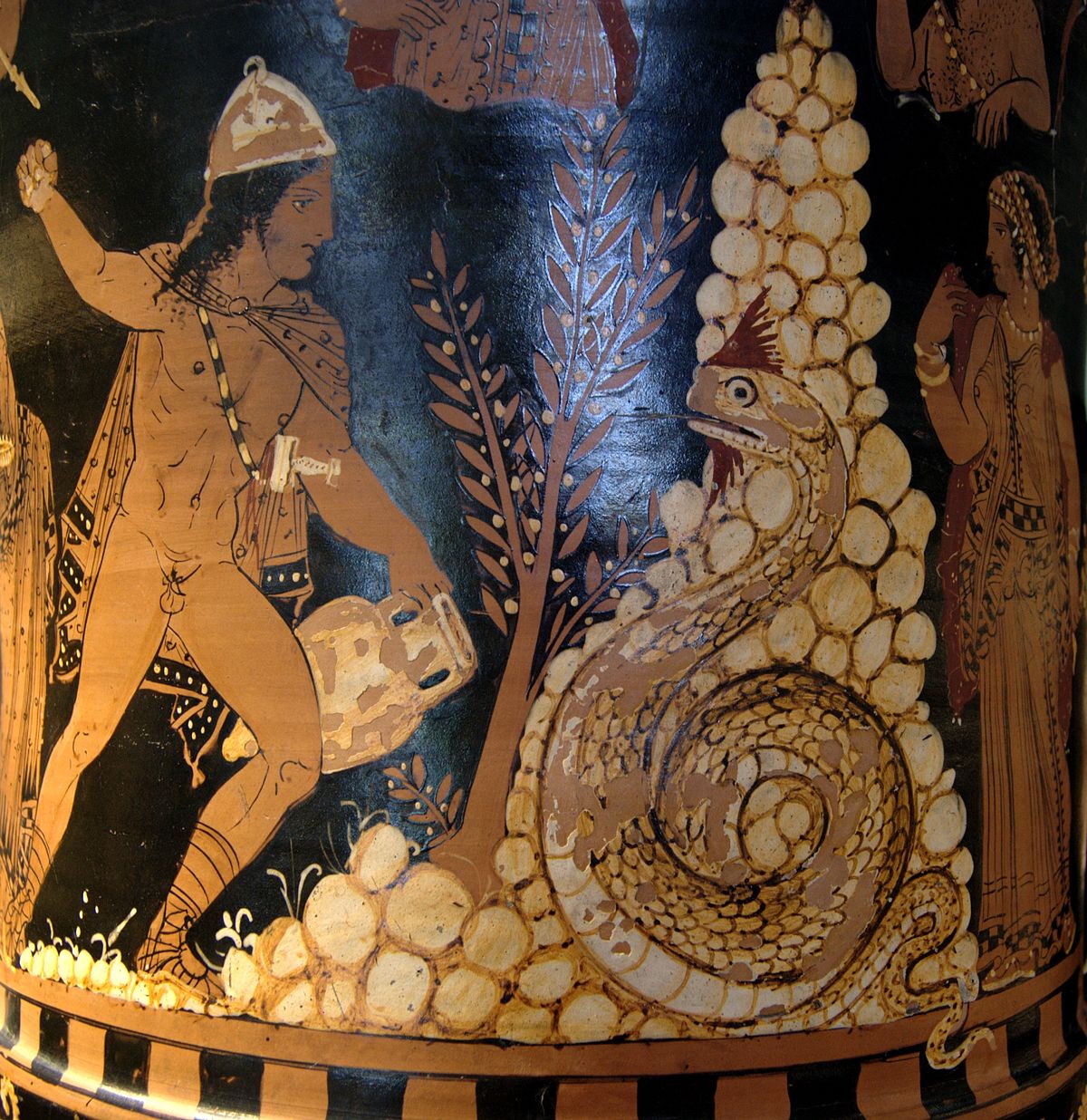
In Greek mythology, Cadmus is a significant figure known for his role in founding the city of Thebes. He is often recognized as a hero and a cultural hero who brought many advancements to the region. His story is filled with adventures, challenges, and important lessons that have influenced Greek literature and culture. The tale of Cadmus intertwines with various myths and legends, making him a central character in the rich tapestry of Greek mythology. His journey reflects themes of transformation, the search for knowledge, and the consequences of one’s actions.
The Origins of Cadmus
Cadmus was the son of Agenor, the king of Tyre, and Telephassa. According to the myths, his story begins when his sister, Europa, was abducted by Zeus, who had taken the form of a bull. This event set off a chain reaction that would lead Cadmus on a quest to find her. His father, Agenor, sent him on this mission, insisting that he should not return without Europa. This quest was not only a search for his sister but also a journey of self-discovery and growth.
 Caenis
As Cadmus traveled in search of Europa, he encountered numerous challenges. His search took him across various lands, where he met different characters and learned valuable lessons. Eventually, he consulted the oracle of Delphi for guidance. The oracle instructed him to abandon the search for Europa and instead to follow a magnificent cow he would find. This cow would lead him to a location where he could establish a new city. Following the oracle’s advice was a pivotal moment in Cadmus’s life, as it marked the beginning of his journey towards founding Thebes.
The Founding of Thebes
Upon following the cow, Cadmus arrived at a site near the present-day city of Thebes. He decided to build a city there, which he named Thebes. However, the establishment of Thebes was not without its difficulties. Cadmus needed to perform a sacrifice to appease the gods before he could build the city. He sent his men to fetch water from a nearby spring, but they were killed by a fierce dragon that guarded the spring. This dragon was sacred to Ares, the god of war.
 Calchas
Determined to avenge his men and fulfill his mission, Cadmus fought the dragon and ultimately killed it. After slaying the beast, he was instructed by Athena to sow the dragon’s teeth into the ground. From these teeth sprang up a group of fierce warriors known as the Sown Men or Sparti. These warriors were instrumental in the early defense of Thebes and contributed to its growth and stability. This act of sowing the teeth symbolized the idea of rebirth and transformation, a recurring theme in Cadmus’s story.
The Curse of Cadmus
Despite his accomplishments, Cadmus’s life was also marked by tragedy and curses. After establishing Thebes, he married Harmonia, the daughter of Ares and Aphrodite. Their marriage was celebrated, and they received gifts from the gods, including a magical necklace that brought both beauty and misfortune. Over time, however, their family faced numerous tragedies. Their children, including Semele, Ino, and Agave, experienced their own tragic fates, often influenced by the wrath of the gods.
One of the most notable tragedies involved Semele, who became the mother of Dionysus. Driven mad by Hera’s jealousy, she demanded to see Zeus in his true form, which led to her demise. This event highlighted the often precarious nature of divine favor and the impact of the gods on human lives. The tragic outcomes of Cadmus’s family reflect the idea that even the most noble heroes are not immune to suffering and loss.
 Calliope
The Legacy of Cadmus
Cadmus’s influence extends beyond his immediate actions in Thebes. He is often credited with introducing the Phoenician alphabet to the Greeks, which laid the foundation for Greek writing. This contribution was monumental, as it facilitated communication, record-keeping, and the sharing of knowledge. The adoption of the alphabet marked a significant cultural shift and allowed for the flourishing of literature and philosophy in ancient Greece.
Additionally, Cadmus’s story is intertwined with various myths and legends that highlight the complexities of human existence. His tale serves as a reminder of the importance of perseverance in the face of adversity and the need to confront one’s challenges head-on. The themes present in Cadmus’s journey resonate with audiences to this day, making him a timeless figure in Greek mythology.
Cadmus in Literature and Art
Throughout history, Cadmus has been depicted in various forms of literature and art. His story has inspired countless writers, poets, and artists, who have sought to capture the essence of his character and the lessons learned from his experiences. Ancient Greek playwrights, such as Sophocles and Euripides, included Cadmus in their works, showcasing the complexities of his character and the tragedies faced by his family.
In visual arts, Cadmus has been portrayed in numerous paintings and sculptures. Artists often depict his battle with the dragon or the moment he sows the dragon’s teeth, emphasizing themes of bravery and transformation. These artistic representations serve to keep his story alive and relevant, allowing new generations to engage with the rich heritage of Greek mythology.
The Symbolism of Cadmus
Cadmus represents various symbols within Greek mythology. One of the most prominent symbols associated with him is the dragon, which signifies chaos and the challenges one must face to achieve greatness. The act of slaying the dragon can be interpreted as a metaphor for overcoming obstacles and personal growth. Additionally, the sowing of the dragon’s teeth symbolizes the idea of rebirth and the cyclical nature of life.
Moreover, Cadmus’s journey reflects the duality of knowledge and ignorance. His quest for his sister and the eventual founding of Thebes illustrate the pursuit of knowledge and the responsibilities that come with it. The tragedies faced by his family serve as a reminder that knowledge can bring both enlightenment and suffering. This duality is a recurring theme in many myths and serves to enrich the narrative of Cadmus’s life.
Modern Interpretations of Cadmus
In contemporary society, Cadmus continues to be a subject of interest and discussion. Scholars and enthusiasts of mythology often explore his story to draw parallels with modern themes, such as identity, belonging, and the consequences of one’s actions. The exploration of Cadmus’s character allows for a deeper understanding of human nature and the complexities of life.
Moreover, Cadmus’s legacy as a cultural hero is celebrated in various forms, from academic studies to popular culture. His influence can be seen in literature, films, and even video games that draw upon the rich narratives of Greek mythology. By keeping his story alive, modern interpretations of Cadmus ensure that his lessons and experiences remain relevant in today’s world.
The Role of Cadmus in Theban Mythology
Cadmus is not only a key figure in his own narrative but also plays a significant role in the broader context of Theban mythology. The city of Thebes is often associated with numerous other mythological figures and stories, including Oedipus and Antigone. Cadmus’s actions and the establishment of Thebes set the stage for these later tales, creating a rich interconnected web of myths.
The significance of Cadmus in Theban mythology also extends to the idea of destiny and fate. His founding of Thebes and the subsequent events that unfolded highlight the concept of tragic fate, a common theme in Greek myths. The idea that one’s actions can lead to unforeseen consequences is a lesson that resonates throughout Theban stories, making Cadmus a crucial figure in understanding these narratives.
Cadmus and the Gods
The relationship between Cadmus and the gods is a central theme in his story. Throughout his journey, he encounters various deities who influence his fate. Athena, for instance, plays a crucial role in guiding him after he slays the dragon. Her assistance signifies the importance of divine favor and wisdom in achieving one’s goals. The gods often serve as both allies and adversaries, reflecting the complexities of human-divine interactions.
Additionally, the curse placed upon Cadmus’s family by the gods serves as a reminder of the capricious nature of divine power. The tragic fates that befall his children illustrate the idea that even the most virtuous actions can lead to unforeseen consequences. This theme emphasizes the unpredictability of life and the importance of humility in the face of greater powers.
The Influence of Cadmus on Future Generations
Cadmus’s legacy has had a lasting impact on future generations. His story has inspired countless interpretations and adaptations in various forms of media. The themes of bravery, knowledge, and the complexities of fate continue to resonate with audiences today. Writers, filmmakers, and artists draw upon Cadmus’s narrative to explore contemporary issues and human experiences.
Furthermore, the character of Cadmus has become a symbol of the hero’s journey. His quest for knowledge and the establishment of Thebes serve as a framework for understanding the archetypal hero in literature. The challenges he faces and the lessons learned can be seen in the narratives of many modern heroes, showcasing the timeless nature of his story.
The Enduring Appeal of Cadmus
Cadmus remains an enduring figure in Greek mythology due to the richness of his story and the depth of his character. His journey is filled with adventure, tragedy, and profound lessons that continue to captivate audiences. The themes present in his narrative resonate with universal human experiences, making his story relevant across cultures and time periods.
the tale of Cadmus is a powerful exploration of the complexities of life, the consequences of one’s actions, and the pursuit of knowledge. His legacy lives on in literature, art, and modern interpretations, ensuring that his story will continue to be told for generations to come. The multifaceted nature of Cadmus’s character and his experiences serve as a reminder of the rich heritage of Greek mythology and its lasting impact on human thought and culture.