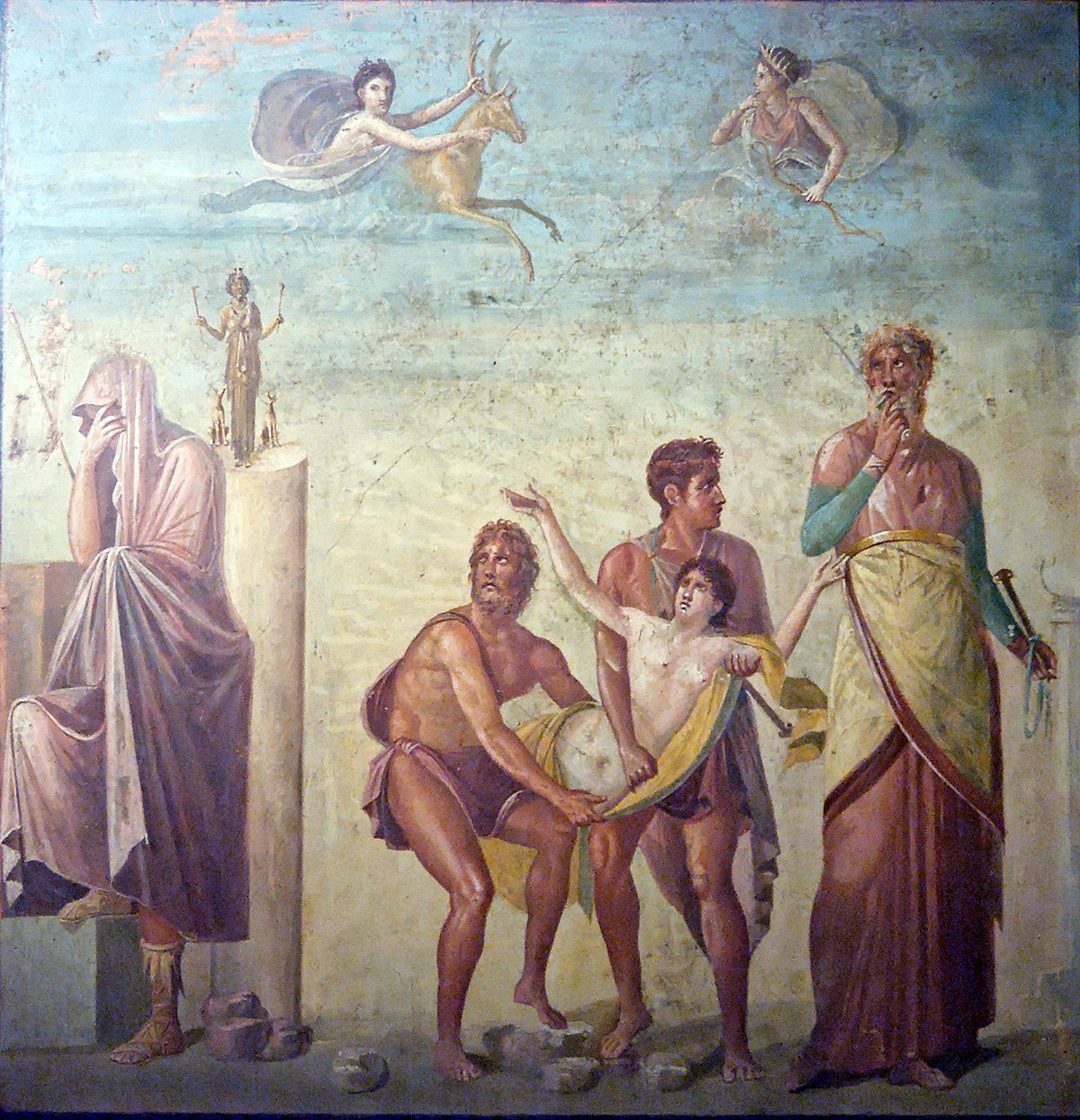
Calchas is a significant figure in Greek mythology, known primarily as a seer and prophet during the Trojan War. He is often depicted as possessing the ability to interpret the will of the gods, which played a crucial role in guiding the Greek forces during their siege of Troy. His character is mentioned in various ancient texts, most notably in Homer’s “Iliad”, where his prophetic skills are highlighted. The story of Calchas is intertwined with themes of fate, divination, and the influence of the divine on human affairs, making him a fascinating subject of study in the context of Greek myths.
Calchas in the Trojan War
During the Trojan War, Calchas emerged as a key advisor to the Greek leaders. His role was vital as he provided crucial insights that influenced the course of the war. When the Greeks were struggling to achieve victory, they sought the counsel of Calchas to understand the reasons behind their misfortunes. His interpretations were not only based on observation but also on his deep understanding of the gods and their desires. Calchas informed them that the wrath of the goddess Artemis was the cause of their troubles, and he prescribed a series of actions to appease her, demonstrating the connection between divine favor and success in battle.
 Calliope
Calchas revealed that the Greeks had to sacrifice a dear hostage to Artemis to gain her favor. This demand led to a significant moral dilemma among the Greek leaders, showcasing the tension between human desires and the will of the gods. The sacrifice was a turning point, as it highlighted the importance of obeying divine will in Greek culture. This event also illustrates the role of seers in ancient Greek society, where their words could dictate the actions of powerful leaders. Calchas’s influence underscores the belief that understanding the will of the gods was essential for achieving success in any endeavor, especially in war.
The Prophetic Abilities of Calchas
Calchas is often celebrated for his extraordinary prophetic abilities. His insights were derived from various means, including dreams, omens, and the examination of sacrifices. This multifaceted approach to divination made him a revered figure among the Greeks. His predictions were not always straightforward; they often required careful interpretation, reflecting the complexities of understanding divine messages. Calchas’s skill in reading the signs from the gods made him a trusted figure in the Greek camp, and his prophecies often carried significant weight in decision-making processes.
One of the most notable instances of Calchas’s prophetic skill occurred when he predicted the length of the Trojan War. He stated that the war would last for ten years, a prophecy that would ultimately prove true. This foresight not only shaped the expectations of the Greek leaders but also influenced their strategies and morale. Knowing the duration of their struggle allowed them to prepare for the long fight ahead, reinforcing the notion that a clear understanding of fate could lead to better preparation and resilience.
 Callisto
Methods of Divination
- Augury: This method involved interpreting the flight patterns of birds, which was a common practice in ancient Greece.
- Haruspicy: This technique required examining the entrails of sacrificed animals to determine the will of the gods.
- Dream interpretation: Calchas also relied on the significance of dreams, which were believed to be messages from the divine.
- Omens: Any unusual events or occurrences were considered potential omens that could provide insight into future events.
These methods reflect the ancient Greeks’ deep connection to the spiritual world and their belief that the gods actively influenced human affairs. Calchas’s ability to interpret these signs made him an indispensable figure, and his insights were often sought before making significant decisions, especially in times of crisis.
The Legacy of Calchas
Calchas’s legacy extends beyond his role in the Trojan War. He is remembered as one of the archetypal seers in Greek mythology, representing the complex relationship between humanity and the divine. His character serves as a reminder of the importance of foresight and the need to consider the broader implications of one’s actions. In literature and art, Calchas is often depicted as a wise and contemplative figure, embodying the qualities of wisdom and prudence.
Furthermore, Calchas’s story highlights the idea of destiny in Greek mythology. His prophecies were seen as manifestations of fate, suggesting that certain events were predetermined and could not be altered. This belief in fate often led to tragic outcomes, as characters struggled against their destinies. The tales of Calchas remind us that while humans have agency, they are also subject to the whims of the gods and the overarching narrative of fate.
 Calypso
Calchas and Other Seers in Greek Mythology
Calchas is often compared to other famous seers in Greek mythology, such as Tiresias and Amphiaraus. Each of these figures possesses unique abilities and backgrounds, contributing to the rich tapestry of Greek divination. Tiresias, for example, is renowned for his long life and profound wisdom, having lived as both a man and a woman. His experiences provided him with a unique perspective on human nature and the divine, making him one of the most respected seers in mythology.
Amphiaraus, on the other hand, was known for his skills in healing as well as prophecy. His dual abilities made him a revered figure among warriors, as he could provide guidance in both battle and health matters. The stories of these seers often intersect, highlighting the various ways in which the gods communicated with mortals and the different paths individuals took in interpreting divine messages.
Comparison of Seers
- Calchas: A key figure in the Trojan War, known for his accurate prophecies and insights.
- Tiresias: A blind prophet with extensive knowledge of the past, present, and future.
- Amphiaraus: A seer and healer, often consulted for both prophecies and medical advice.
This comparison emphasizes the diversity of prophetic figures in Greek mythology, each contributing to the understanding of fate and the divine in their unique ways. The stories of these seers reflect the ancient Greeks’ fascination with the unknown and their quest to comprehend the complexities of life.
Calchas in Literature and Art
Calchas has inspired numerous works of literature and art throughout history. His character is often depicted in plays, poems, and paintings, reflecting the enduring fascination with his prophetic abilities. In tragedies, Calchas is frequently portrayed as a tragic figure, caught between the demands of the gods and the expectations of mortals. His foresight often leads to tension, as the characters grapple with the implications of his predictions.
In visual art, Calchas is depicted in various ways, often shown as an elderly man with a staff, symbolizing wisdom and authority. Artists have captured moments from his life, including his prophecies and interactions with key figures in the Trojan War. These representations not only celebrate his character but also serve as a reflection of the values and beliefs of ancient Greek society.
Modern Interpretations
- Literary adaptations: Many modern authors have drawn inspiration from Calchas, reimagining his story in contemporary settings.
- Film and theater: Calchas’s character has appeared in various adaptations of the Trojan War, showcasing his role as a seer.
- Artistic representations: Modern artists continue to explore the themes of prophecy and fate through their depictions of Calchas.
These modern interpretations highlight the timeless nature of Calchas’s story, emphasizing the ongoing relevance of themes such as fate, free will, and the human experience. As society continues to grapple with questions of destiny and the divine, Calchas remains a poignant figure in the exploration of these complex ideas.
Conclusion of Calchas’s Influence
Calchas’s influence extends beyond the confines of the Trojan War, resonating through various aspects of Greek culture and mythology. His character serves as a reminder of the intricate relationship between humanity and the divine, illustrating the importance of understanding the signs and omens that surround us. As a seer, Calchas embodies the quest for knowledge and insight, encouraging individuals to seek wisdom in the face of uncertainty.
The stories surrounding Calchas continue to be relevant today, as they prompt us to reflect on the nature of fate and the impact of our choices. In a world where the unknown often looms large, the lessons of Calchas remind us of the value of foresight and the need to remain attuned to the world around us. His legacy as a prophet and advisor remains a significant part of Greek mythology, inspiring generations to explore the mysteries of life and the divine.