
Áed is a significant figure in Irish mythology, representing a rich tapestry of stories and traditions that have been passed down through generations. In ancient Ireland, Áed was often associated with fire, passion, and inspiration. His name, which translates to “fire” in Irish, reflects his elemental nature and the profound impact he had on the lives of those who worshipped him. The tales of Áed provide a glimpse into the beliefs and values of the Celtic people, highlighting their connection to nature and the spiritual world.
The Origins of Áed
The origins of Áed can be traced back to the early mythological cycles of Ireland, where he appears in various stories and legends. Many of these tales depict him as a deity or a powerful figure among the Tuatha Dé Danann, a race of supernatural beings in Irish mythology. The Tuatha Dé Danann were believed to possess great knowledge and skills in magic, and Áed was no exception. He was often portrayed as a warrior and a protector, embodying the qualities of strength and valor that were highly esteemed in Celtic culture.
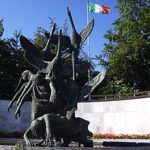 Aobh
AobhÁed’s lineage is also noteworthy. He is often considered a son of the god Dagda, one of the most prominent deities in Irish mythology. The Dagda was known for his wisdom, strength, and magical abilities, making Áed a significant figure in the pantheon of Irish gods. His connection to the Dagda places him in a lineage of powerful and influential beings, further enhancing his status in the mythological landscape of ancient Ireland.
Áed in Mythological Tales
One of the most famous stories involving Áed is the tale of the Battle of Moira, where he played a crucial role. This battle was fought between the Tuatha Dé Danann and the Fomorians, a race of monstrous beings. In this tale, Áed showcased his bravery and skill in combat, fighting valiantly alongside his fellow warriors. His actions during the battle were not only a demonstration of his martial prowess but also highlighted his dedication to protecting his people and their lands.
Another important tale involving Áed is the story of his connection with Brigid, the goddess of poetry, healing, and fertility. In some versions of the myth, Áed and Brigid share a deep bond that transcends mere friendship. Their relationship symbolizes the union of fire and inspiration, showcasing how creativity and passion can be intertwined. This connection is significant, as it emphasizes the importance of collaboration and harmony among different aspects of life in Irish mythology.
 Abarta
Áed’s Symbolism
Áed embodies various symbols that are crucial in understanding his significance in Irish mythology. The most prominent symbol associated with Áed is fire, which represents not only physical warmth but also spiritual enlightenment and transformation. Fire has long been a symbol of inspiration, creativity, and passion, and Áed’s association with it underscores his role as a muse for poets and artists in ancient Ireland.
In addition to fire, Áed is also linked to the concept of warrior spirit. His tales often depict him as a fierce and courageous fighter, representing the valor and honor that were vital traits in Celtic culture. This warrior aspect of Áed highlights the importance of bravery and loyalty, values that were deeply ingrained in the social fabric of ancient Irish society.
Áed’s Influence on Irish Culture
The influence of Áed extends beyond mythology into various aspects of Irish culture. His stories have inspired countless generations of poets, artists, and storytellers, who have drawn from his character and adventures to create new works of art. The themes of passion, bravery, and inspiration found in Áed’s tales resonate with the core values of the Irish people, making him a timeless figure in their cultural heritage.
 Wogan
WoganMoreover, Áed’s connection to fire has also influenced traditional Irish celebrations. Festivals such as Beltane, which marks the beginning of summer, often involve the lighting of bonfires. These fires symbolize the return of warmth and light, and they echo the elemental power that Áed represents. By honoring Áed during these festivities, the Irish people maintain a connection to their ancient beliefs and traditions.
Modern Interpretations of Áed
In contemporary times, Áed has been reinterpreted and celebrated in various forms of media. From literature to film, his character continues to inspire new stories and adaptations. Many modern writers and artists draw upon the rich symbolism and themes associated with Áed, using them to explore contemporary issues and emotions. This ongoing engagement with Áed’s mythology demonstrates the enduring relevance of his character in today’s world.
Additionally, Áed’s influence can be seen in the resurgence of interest in pagan practices and Celtic spirituality. Many modern practitioners seek to connect with the ancient gods and goddesses of Ireland, including Áed. By honoring these deities, individuals aim to tap into the wisdom and energy that they represent, fostering a deeper connection to their heritage and the natural world.
Áed in Literature
Literature has played a significant role in preserving the stories of Áed and other figures from Irish mythology. Ancient texts such as the Book of Invasions and the Lebor Gabála Érenn contain references to Áed and his exploits. These texts provide valuable insights into the beliefs and values of the Celtic people, as well as the importance of oral tradition in passing down stories from one generation to the next.
In modern literature, Áed continues to be a source of inspiration for authors exploring themes of identity, spirituality, and the human experience. His character often serves as a metaphor for the struggles and triumphs faced by individuals in their own lives. Through the lens of Áed’s mythology, writers can examine the complexities of existence and the quest for meaning in a rapidly changing world.
Áed in Popular Culture
Áed’s presence is also felt in popular culture, where he has been featured in various forms of entertainment. Video games, movies, and television shows often draw upon elements of Irish mythology, incorporating characters like Áed into their narratives. These adaptations introduce Áed to new audiences, allowing them to engage with the rich lore of Irish mythology and its timeless themes.
Furthermore, the incorporation of Áed into popular culture serves to keep the stories of Irish mythology alive in the collective consciousness. As new generations discover these tales through modern media, the legacy of Áed continues to flourish, ensuring that his significance is not lost to time.
The Legacy of Áed
Áed’s legacy is one of inspiration, creativity, and strength. His tales remind us of the importance of passion in our lives and the value of bravery in the face of adversity. The stories surrounding Áed serve as a testament to the resilience of the human spirit and the enduring power of mythology to connect us to our past. As we explore the world of Irish mythology, we find that figures like Áed continue to resonate with us, offering wisdom and guidance in our own journeys.
In many ways, Áed represents the essence of what it means to be human—the struggle for identity, the pursuit of passion, and the quest for understanding in a complex world. His stories are not just relics of the past; they are living narratives that continue to inspire and challenge us today. By engaging with the mythology of Áed, we can gain insights into our own lives and the world around us, fostering a deeper appreciation for the rich cultural heritage of Ireland.