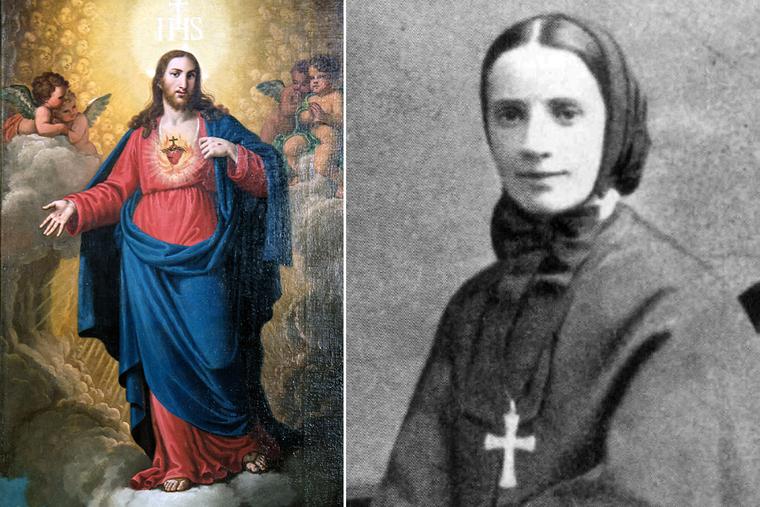
St. Frances Xavier Cabrini, also known as Mother Cabrini, was a remarkable figure in Christian history. She was born on July 15, 1850, in Sant’Angelo Lodigiano, Italy. From a young age, she felt a strong calling to serve God and help others. Her journey led her to become the first naturalized American citizen to be canonized by the Catholic Church. Throughout her life, she dedicated herself to the service of immigrants and the underprivileged, establishing schools, orphanages, and hospitals across the United States and beyond. Her legacy continues to inspire many today, as she is remembered for her unwavering faith and commitment to helping those in need.
Early Life and Education
 St. Frances Of Rome
Frances Xavier Cabrini was born into a humble family, the youngest of thirteen children. Her parents were both farmers, and they instilled in her the values of hard work and faith. From a young age, Frances exhibited a strong interest in religion and a desire to help others. After losing her father at a young age, her mother became the primary influence in her life, encouraging her to pursue her education. Frances attended a local school run by the Sisters of the Sacred Heart, where she received a solid foundation in both academics and spiritual teachings.
Despite her passion for education, Frances faced many challenges. Due to her frail health, she was unable to enter the convent as she had hoped. This setback did not deter her; instead, it fueled her determination to serve in other ways. She became a teacher and later founded a school for poor children in her hometown. This experience deepened her understanding of the struggles faced by the underprivileged and solidified her commitment to helping those in need.
Founding the Missionary Sisters of the Sacred Heart
In 1880, Frances Xavier Cabrini realized her dream of becoming a nun by founding the Missionary Sisters of the Sacred Heart. Her mission was clear: to serve God by helping the poor and marginalized, especially immigrants. She gathered a small group of women who shared her vision, and together they dedicated their lives to serving those in need. The sisters took vows of poverty, chastity, and obedience, committing themselves to a life of service.
 St. Jacopone Of Todi
The early years of the congregation were challenging. They faced financial difficulties and a lack of resources, but Frances’s unwavering faith and leadership inspired her sisters to persevere. Under her guidance, the Missionary Sisters expanded their reach, opening schools, orphanages, and hospitals in Italy. Their work was driven by a deep sense of compassion and a desire to provide education and healthcare to those who were often overlooked by society.
Journey to the United States
In 1889, Frances Xavier Cabrini received an invitation from the Archbishop of New York, who urged her to come to the United States to help the growing population of Italian immigrants. This was a pivotal moment in her life. Despite her initial hesitation, she felt a strong calling to respond to this need. She and her sisters traveled to America, where they encountered a vastly different culture and many challenges.
Upon arriving in New York City, Frances was shocked by the poverty and struggles faced by the immigrant community. Many were living in overcrowded tenements, and access to education and healthcare was limited. She quickly set to work, establishing schools and orphanages to support these families. Her efforts were met with both enthusiasm and resistance, but she remained steadfast in her mission to serve.
 St. John Of Fiesole
Establishing Institutions
One of Frances’s most significant achievements was the establishment of numerous institutions dedicated to education and healthcare. She founded the first Italian school in New York City, which provided education to children who were often neglected. This school became a model for others, and soon, more institutions were established across the United States.
- Schools for Italian immigrants
- Orphanages for abandoned children
- Hospitals for the sick and needy
Frances’s commitment to education was unwavering. She believed that education was a powerful tool for empowerment and a means to uplift entire communities. Her schools not only provided academic knowledge but also instilled values of faith and service in the children. This holistic approach to education became a hallmark of her work and continues to influence educational practices in Catholic institutions today.
Challenges and Triumphs
Throughout her life, Frances Xavier Cabrini faced numerous challenges. The initial years in America were fraught with difficulties, including financial struggles, cultural barriers, and skepticism from some members of the Church. However, her tenacity and faith helped her overcome these obstacles. She tirelessly advocated for the rights of immigrants, often speaking out against the injustices they faced.
One of the most notable challenges was securing funding for her institutions. Many of her projects relied on donations and support from the community. Frances used her charisma and dedication to build relationships with local leaders and philanthropists. Her efforts paid off, and she was able to secure the necessary resources to expand her mission.
Legacy and Canonization
Frances Xavier Cabrini passed away on December 22, 1917, but her legacy lives on. She was known for her deep spirituality and her unwavering commitment to her mission. In 1938, just twenty-one years after her death, she was canonized by Pope Pius XI, becoming the first naturalized American citizen to be declared a saint. Her feast day is celebrated on November 13 each year, honoring her contributions to the Church and society.
Today, many institutions continue to bear her name, including schools, hospitals, and organizations dedicated to serving the underprivileged. Her life serves as an inspiration for countless individuals who strive to make a difference in their communities. St. Frances Xavier Cabrini is remembered not only for her accomplishments but also for her profound faith and compassion for others.
Influence on Modern Society
The influence of St. Frances Xavier Cabrini extends far beyond her lifetime. Her commitment to serving immigrants and the poor has inspired many modern social justice movements. Today, organizations dedicated to helping refugees and marginalized communities often cite her as a guiding figure. Her life exemplifies the importance of compassion, advocacy, and service, reminding us that each individual can make a significant impact.
Many Catholic organizations continue to follow her example, emphasizing the need for education and healthcare access for all. Frances’s belief in the transformative power of education resonates today, as many advocates work to ensure that every child has the opportunity to learn and thrive. Her legacy serves as a reminder of the importance of standing up for those who are often overlooked and marginalized in society.
St. Frances Xavier Cabrini’s life is a testament to the power of faith and service. Her unwavering commitment to helping others has left an indelible mark on history, inspiring generations to follow in her footsteps. Her work continues to resonate today, as we strive to create a more just and compassionate world. Through her example, we are reminded of our responsibility to serve others and make a positive difference in our communities.