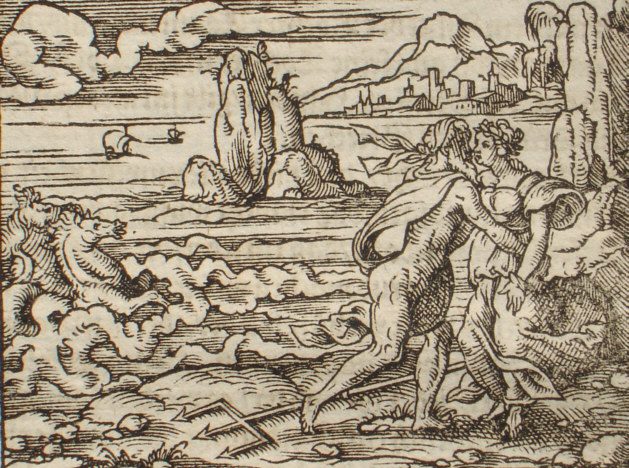
In Greek mythology, Caenis is a fascinating figure whose story reflects themes of transformation and desire. She is often recognized for her unique narrative, which intertwines elements of both gender and identity. According to various myths, Caenis was originally a mortal woman who caught the attention of the god Poseidon. Her tale is not just one of beauty, but also of strength and resilience, as it showcases her journey from a woman to a man, and eventually to a powerful warrior.
The Origin of Caenis
Caenis was born in the region of Thessaly, a place rich in mythological significance. She was the daughter of a certain Elatus, and her beauty was renowned throughout the land. Many suitors desired her, but she was not interested in the typical life that most women of her time led. Instead, she sought adventure and independence, a rare aspiration for women in ancient Greek society. This desire for freedom would eventually lead her to an encounter with the mighty Poseidon.
 Calchas
According to the legend, Poseidon was enamored by Caenis’ beauty and offered her a choice. He could grant her any wish she desired. In a bold move, Caenis asked to be transformed into a man, believing that this change would allow her to escape the vulnerabilities that women faced. Poseidon granted her wish, transforming her into Caenus, a strong and formidable warrior. This transformation is a pivotal moment in her story, symbolizing her rejection of traditional gender roles.
The Transformation of Caenis
Caenis’ transformation into Caenus was not merely a change in physical form; it represented a complete shift in identity. As a man, Caenus was endowed with strength and power, allowing him to navigate the world in ways that were previously inaccessible. This transformation also highlights the fluidity of gender in mythology, a concept that resonates with contemporary discussions about identity. Caenus became a warrior, earning a reputation for his bravery in battle, which further solidified his place in the pantheon of heroes.
 Calliope
The change was significant not only for Caenis but also for the perception of women in mythology. Her story challenges the idea that femininity is synonymous with weakness. Instead, it illustrates that strength can be found in various forms, regardless of gender. Caenus’ life as a man enabled him to achieve great feats, including participation in various heroic adventures alongside other notable figures of Greek mythology.
Caenus and the Heroes
After becoming Caenus, he aligned himself with other heroes of Greek mythology, including Achilles and the Argonauts. His adventures often involved battling fierce monsters and engaging in epic quests, showcasing his valor and prowess. The stories of Caenus often highlight his role as a protector and a fierce warrior, making him a respected figure among his peers. His participation in battles not only solidified his reputation but also served as a testament to his skills and determination.
One of the most famous tales involving Caenus is his participation in the Trojan War. He fought valiantly on the side of the Greeks, facing numerous adversaries. His combat skills and bravery made him a formidable opponent on the battlefield. This involvement in such a significant mythological event further cements Caenus’ legacy as a powerful figure in Greek mythology. The tales of his heroism inspired many, illustrating the qualities of courage and resilience.
 Callisto
The Legacy of Caenis
The legacy of Caenis extends beyond his adventures and transformations. His story has been interpreted in various ways throughout history, serving as a symbol of empowerment and change. Many modern interpretations focus on the themes of gender fluidity and the quest for identity, making Caenis a relevant figure in contemporary discussions. The narrative encourages individuals to explore their own identities and challenge societal norms.
Moreover, Caenis’ story has inspired various artistic representations, including literature, paintings, and sculptures. Artists have drawn upon the themes of transformation and strength, depicting Caenis in different forms. These representations often highlight the beauty of resilience and the importance of self-discovery, making Caenis a timeless figure in both art and literature.
Caenis in Modern Culture
In modern culture, Caenis is often referenced in discussions about gender and identity. Many contemporary writers and artists have found inspiration in her story, using it to explore themes of transformation and empowerment. The fluidity of Caenis’ identity resonates with many people today, as discussions surrounding gender have become more prominent. Her narrative encourages individuals to embrace their true selves, regardless of societal expectations.
Furthermore, Caenis serves as a reminder of the complexities of identity. Her transformation raises questions about the nature of gender and the roles individuals play in society. By examining her story, we can gain insights into the historical context of gender roles and how they have evolved over time. This exploration fosters a deeper understanding of the challenges individuals face in their quest for self-acceptance and authenticity.
the story of Caenis is a rich tapestry of transformation, strength, and identity. From her origins as a mortal woman to her transformation into a powerful warrior, Caenis embodies the complexities of gender and the human experience. Her legacy continues to inspire individuals to challenge societal norms and embrace their true selves. As we reflect on her story, we are reminded of the power of transformation and the importance of resilience in the face of adversity.