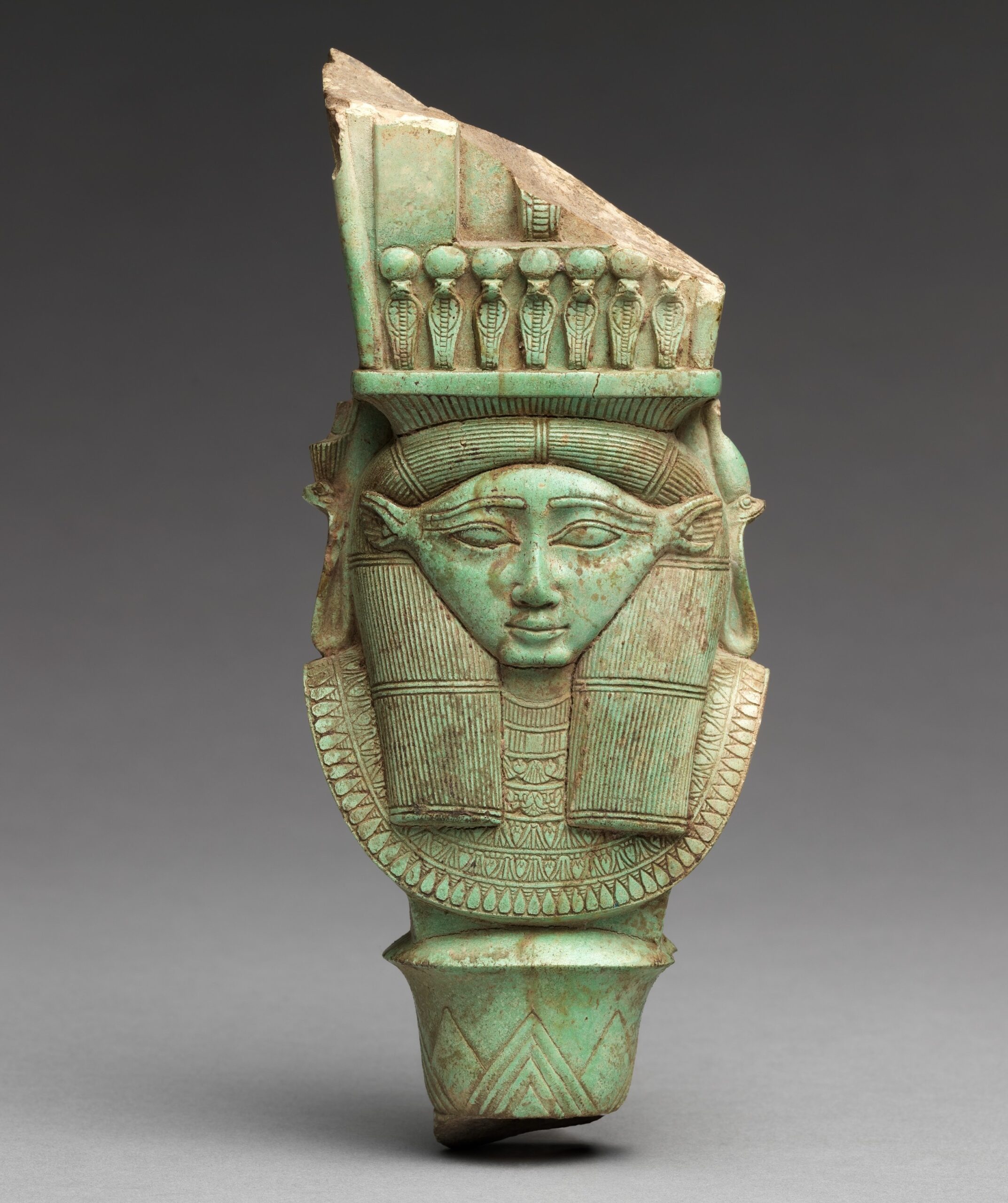
The bat holds a significant place in Egyptian mythology, symbolizing various aspects of life and the afterlife. In ancient Egypt, the bat was often associated with the goddess Hathor, who represented love, beauty, and motherhood. The bat’s nocturnal nature and its ability to navigate in darkness made it a powerful symbol of protection and guidance in the spiritual realm. This article will delve into the various representations of bats in Egyptian mythology, their cultural significance, and the various deities associated with them.
The Symbolism of Bats in Egyptian Culture
Bats in ancient Egyptian culture were often viewed as symbols of rebirth and transformation. This is largely due to their association with the night and the underworld. The Egyptians believed that the bat could traverse between the worlds of the living and the dead, acting as a guide for souls. This duality made bats important in funerary practices, where they were sometimes depicted in tomb paintings to symbolize the journey into the afterlife.
 Bastet
Moreover, the bat was connected to the concept of duality in Egyptian mythology. The Egyptians saw the world as a balance between light and dark, life and death. Bats, with their nocturnal habits, represented the darker aspects of existence, while also embodying the potential for renewal and new beginnings. This complexity added depth to their representation in art and literature, making them a fascinating subject of study.
Hathor: The Goddess of Bats
Hathor, one of the most revered deities in ancient Egypt, had a strong connection to bats. Often depicted as a cow or a woman with cow horns, she was also associated with the bat due to her nurturing and protective qualities. Hathor was considered the goddess of love, beauty, and fertility, but her role extended to that of a protector of the dead, particularly women and children.
The connection between Hathor and bats can be seen in various artifacts and temple inscriptions. In some depictions, Hathor is shown with a bat symbol on her headdress, signifying her role as a guardian of souls. The bat was seen as a symbol of maternal protection, echoing Hathor’s attributes as a mother goddess. This association highlights the importance of bats in the broader context of Egyptian spirituality and their role in the afterlife.
 Babi
BabiBats in Funerary Practices
Bats played a crucial role in ancient Egyptian funerary practices. They were often included in tomb paintings and burial artifacts, symbolizing the deceased’s journey into the afterlife. The Egyptians believed that the presence of bats could offer protection to the souls of the departed, guiding them safely through the challenges they might face in the underworld.
One common representation of bats in tomb art is their depiction alongside other protective symbols, such as ankhs and scarabs. These images served to reassure the living that their loved ones would be well cared for in the afterlife. The bat’s ability to navigate the darkness of the night mirrored the journey that souls had to undertake, making it a fitting symbol for this important transition.
Mythological Stories Involving Bats
In Egyptian mythology, there are several stories that feature bats prominently. One notable tale involves the duat, or the underworld, where the bat serves as a guide for souls navigating the afterlife. According to myth, the bat would lead the deceased through the dark passages of the duat, helping them avoid dangers and reach their final resting place.
 Ba-pef
Another story illustrates the bat’s role in the balance of nature. In this narrative, bats are depicted as the guardians of the night, ensuring that the darkness did not overwhelm the world. They are said to work alongside other nocturnal creatures to maintain harmony, embodying the idea that every element of nature has its place and purpose. This balance was essential for the Egyptians, who believed that the cosmos was a delicate equilibrium between opposing forces.
Bats in Egyptian Art and Hieroglyphs
The representation of bats in Egyptian art is quite fascinating. Artists often included bats in tomb paintings and on various artifacts, where they were depicted in a stylized manner. Bats were frequently shown in flight, symbolizing freedom and the ability to traverse different realms. Their presence in art served both a decorative and symbolic purpose, reinforcing their significance in mythology and spirituality.
In hieroglyphics, the bat was sometimes used to represent the sound “m” or “n,” which added a layer of complexity to its significance. The bat’s inclusion in hieroglyphs indicates its importance in the written language and how it was perceived by the ancient Egyptians. These symbols conveyed not just sounds, but also the deeper meanings associated with bats in their culture.
The Bat as a Protector
The bat was often seen as a protector in Egyptian mythology. This protective role was not only associated with the goddess Hathor but also with other deities. For instance, the bat was linked to Bes, the dwarf god of protection and household, who was believed to ward off evil spirits and bring good fortune. In this context, the bat symbolized safety and security, especially for families and children.
The Egyptians believed that placing bat imagery in homes or on personal items could provide protection against misfortune and evil forces. This belief extended to various aspects of daily life, where bats were seen as guardians of both the physical and spiritual realms. Their presence was thought to bring blessings and safeguard the household from harm.
The Decline of Bat Symbolism
As Egyptian civilization evolved, so did the symbolism associated with bats. While they remained important in certain contexts, the rise of other deities and symbols began to overshadow their significance. The introduction of new religious beliefs and practices influenced how bats were perceived and depicted in art and mythology.
In later periods, particularly during the Greco-Roman era, the bat’s representation became less prominent. The focus shifted to other animals and symbols that were more closely associated with the new cultural influences. However, the legacy of the bat in ancient Egyptian mythology continued to be acknowledged in various forms, and its historical significance remains a topic of interest for scholars and enthusiasts alike.
Modern Interpretations of Bats in Egyptian Mythology
Today, bats continue to captivate the imagination of those interested in ancient Egyptian mythology. Modern interpretations often explore the duality of bats as symbols of both fear and protection. While some view bats with apprehension due to their nocturnal nature, others celebrate their role as guardians and guides in the spiritual realm.
Various artists and writers draw inspiration from the bat’s rich symbolism, creating new narratives that blend ancient beliefs with contemporary themes. This resurgence of interest in bats reflects a broader fascination with ancient cultures and their understanding of the natural world. As modern society seeks to reconnect with ancient wisdom, the bat’s role in Egyptian mythology remains a relevant and compelling topic of exploration.
The bat’s significance in Egyptian mythology is multifaceted, representing various themes such as rebirth, protection, and the journey into the afterlife. Its association with powerful deities like Hathor and Bes highlights its importance in ancient Egyptian spirituality. Through art, hieroglyphics, and mythological stories, bats have left an indelible mark on the cultural landscape of ancient Egypt. As we continue to study and appreciate these symbols, we gain deeper insights into the beliefs and practices of one of history’s most fascinating civilizations.