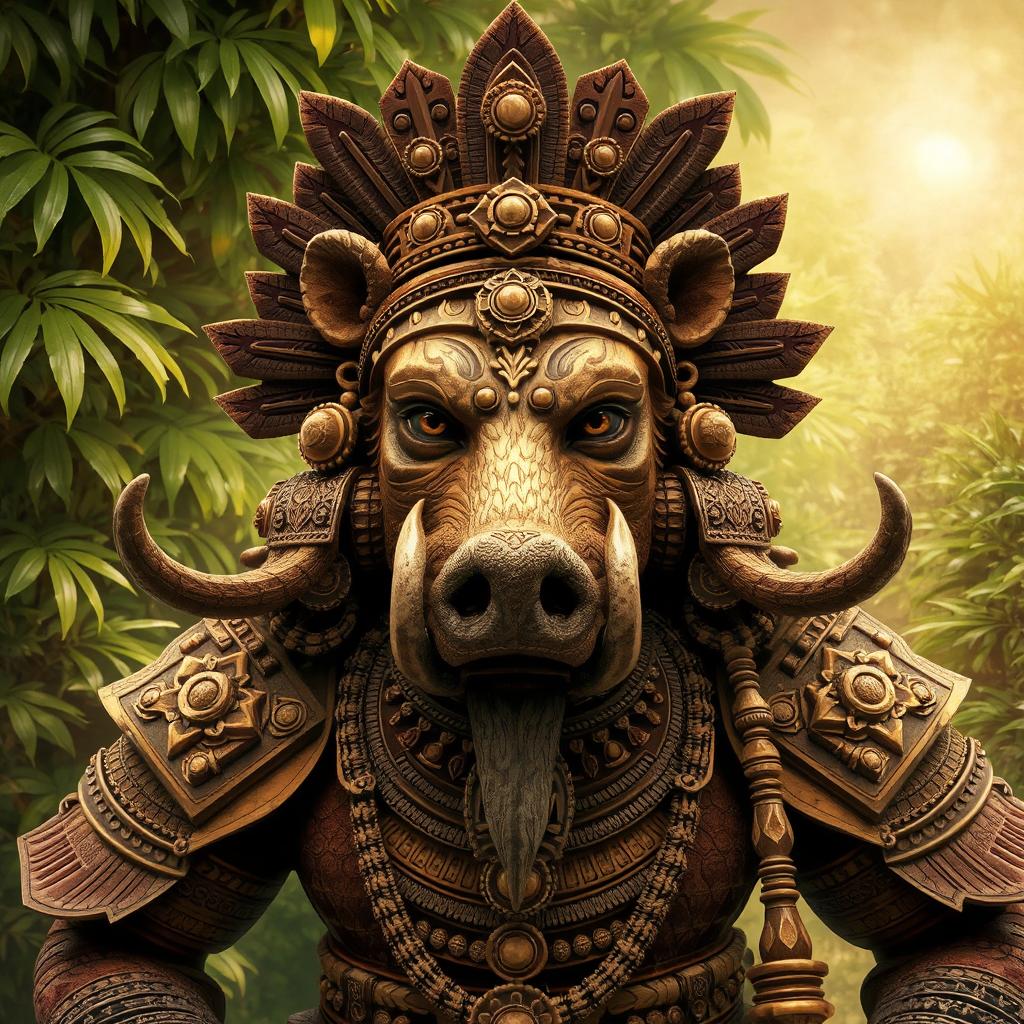
In the rich tapestry of Maya mythology, the figure of Cit Bolon Tum holds a significant place. Known as the god of the underworld and associated with death, Cit Bolon Tum is a complex deity whose stories intertwine with the beliefs and practices of the ancient Maya civilization. His role is multifaceted, as he embodies both the fear of death and the reverence for the afterlife. Understanding Cit Bolon Tum involves delving into the myths, rituals, and cultural significance surrounding this enigmatic figure.
The Origins of Cit Bolon Tum
The origins of Cit Bolon Tum can be traced back to the ancient texts and carvings found in various Maya archaeological sites. His name is often associated with the underworld, which the Maya referred to as Xibalba. This realm was not merely a place of darkness but a complex world where souls journeyed after death. Cit Bolon Tum was believed to govern this domain, overseeing the passage of souls and the trials they faced. The stories surrounding him are deeply rooted in the Maya understanding of life, death, and the cyclical nature of existence.
 Chipi-cakulha
In the Maya creation myth, Cit Bolon Tum plays a crucial role. He is often depicted as a figure who challenges the hero twins, Hunahpú and Xbalanqué, during their journey through Xibalba. These tales illustrate the duality of Cit Bolon Tum, as he embodies both a fearsome adversary and a necessary force in the cycle of life and death. His character reflects the Maya belief that death is not an end but a transition, an essential part of the cosmic order.
Cultural Significance of Cit Bolon Tum
Cit Bolon Tum’s influence extends beyond mythology into the everyday lives of the Maya people. He was invoked during rituals and ceremonies that sought to honor the dead and ensure a safe passage to the afterlife. These practices highlight the Maya belief in ancestor worship and the importance of maintaining a connection with those who had passed away. The rituals often involved offerings, prayers, and the recitation of sacred texts that called upon Cit Bolon Tum for guidance and protection.
The Maya also believed that Cit Bolon Tum had the power to influence the living. His presence was felt in various aspects of life, from agriculture to warfare. For instance, during planting season, rituals dedicated to Cit Bolon Tum were performed to ensure a bountiful harvest and to appease the spirits of the deceased who might influence the fertility of the land. This connection between life and death illustrates the integrated worldview of the Maya, where every aspect of existence was interwoven with the spiritual realm.
 Chiccan
Iconography and Representation
The representation of Cit Bolon Tum in Maya art is both fascinating and complex. He is often depicted with distinctive features that symbolize his dominion over the underworld. Common motifs include a skeletal figure, sometimes adorned with jewels or headdresses that signify his status as a god. His imagery serves as a reminder of the inevitability of death and the importance of respecting the deceased. These artistic expressions were not only decorative but also served a significant role in conveying the beliefs and values of the Maya civilization.
In many Maya codices, Cit Bolon Tum is illustrated in scenes that depict the trials faced by souls in Xibalba. These illustrations provide insight into the Maya understanding of the afterlife and the challenges that awaited individuals after death. The depictions of Cit Bolon Tum often convey a sense of authority and fear, emphasizing his role as a gatekeeper of the underworld. This iconography played a crucial role in educating the Maya people about their beliefs and the importance of adhering to rituals that honored both the living and the dead.
Myths and Legends
 Chibil Kin
The myths surrounding Cit Bolon Tum are rich with symbolism and moral lessons. One of the most famous stories involves the hero twins, Hunahpú and Xbalanqué, who must navigate the challenges set forth by Cit Bolon Tum and the lords of Xibalba. This tale serves as an allegory for the struggles of life and the ultimate triumph over death. Through cunning and bravery, the twins outsmart the challenges, illustrating the idea that intelligence and resourcefulness can overcome even the darkest of trials.
Another significant myth involves the creation of the first humans. According to some versions of the story, Cit Bolon Tum played a role in shaping humanity’s destiny. His interactions with other deities highlight the collaborative nature of creation in Maya mythology. These narratives not only serve to explain the origins of humanity but also emphasize the interconnectedness of all beings within the universe, a core belief of the Maya worldview.
Rituals and Offerings
The rituals dedicated to Cit Bolon Tum were intricate and varied, reflecting the deep reverence the Maya had for this deity. These ceremonies often included offerings of food, incense, and even human sacrifices, depending on the period and context. The Maya believed that by offering something of value, they could appease Cit Bolon Tum and ensure favorable conditions for the living and the dead. These practices highlight the Maya understanding of reciprocity between the gods and humanity, where the living sought to maintain harmony with the spiritual realm.
In addition to offerings, the Maya performed elaborate ceremonies during significant life events, such as funerals and agricultural festivals. During funerals, rituals dedicated to Cit Bolon Tum were particularly important, as they aimed to guide the deceased safely to the underworld. The Maya understood that the journey after death was fraught with challenges, and by honoring Cit Bolon Tum, they hoped to ease this transition for their loved ones. The collective participation in these rituals fostered a sense of community and shared belief, reinforcing the cultural identity of the Maya people.
Cit Bolon Tum in Contemporary Maya Culture
Even in contemporary Maya culture, the legacy of Cit Bolon Tum endures. While the ancient practices may have evolved, the reverence for ancestors and the spiritual world remains strong. Many Maya communities continue to honor their dead through rituals that reflect their historical beliefs, albeit often blended with elements of Christianity. This syncretism illustrates the resilience of Maya spirituality and its ability to adapt to changing circumstances while maintaining core values.
Modern Maya artists and storytellers also draw inspiration from the myths of Cit Bolon Tum, incorporating them into their works to preserve cultural heritage. These narratives serve as a reminder of the rich history and traditions that define Maya identity. By keeping the stories alive, contemporary Maya communities ensure that the lessons and wisdom of their ancestors continue to resonate with future generations.
The Legacy of Cit Bolon Tum
The legacy of Cit Bolon Tum is a testament to the intricate beliefs of the Maya civilization regarding death and the afterlife. His stories and representations serve as a window into the ancient Maya worldview, characterized by a profound understanding of the cyclical nature of life. Cit Bolon Tum embodies the duality of existence, reminding us that death is not an end but a continuation of a journey that is intertwined with life.
Through the examination of Cit Bolon Tum, we gain insight into the broader themes of Maya mythology, including the interplay between fear and reverence, the significance of rituals, and the importance of storytelling. These elements are not only crucial for understanding the past but also for appreciating the enduring influence of Maya culture in the present day. The stories of Cit Bolon Tum remind us of the shared human experience of grappling with mortality and the search for meaning beyond the physical world.