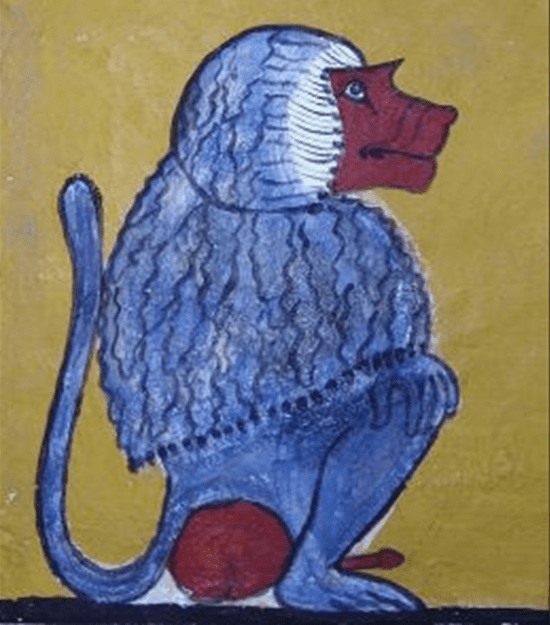
Babi is a fascinating figure in Egyptian mythology, representing a unique aspect of the ancient Egyptians’ understanding of life and death. Often depicted as a baboon, Babi embodies strength and ferocity, characteristics that were highly valued in ancient Egyptian culture. His image was frequently associated with the underworld, where he played a critical role in the judgment of souls. The ancient Egyptians believed that Babi had the power to consume the hearts of the unworthy, a crucial element in the process of weighing the heart against the feather of Ma’at, the goddess of truth and justice.
The Origins of Babi
The origins of Babi can be traced back to the early periods of Egyptian history, where baboons were common in the region. Baboons were admired for their strength and intelligence, traits that the Egyptians associated with divine qualities. Over time, Babi evolved into a deity who represented not only the physical attributes of the baboon but also the spiritual qualities that the ancient Egyptians revered. He was often linked to the sun god Ra, symbolizing the cycle of life, death, and rebirth.
 Ba-pef
In ancient texts, Babi is described as a powerful figure who could bring about both destruction and renewal. His dual nature reflects the ancient Egyptians’ belief in the balance of forces in the universe. This balance was essential to maintaining harmony in life and the afterlife. The reverence for Babi is evident in various artifacts and inscriptions, where he is portrayed in a manner that highlights his importance in the pantheon of Egyptian gods.
Babi’s Role in the Afterlife
One of the most significant aspects of Babi’s character is his role in the afterlife. The ancient Egyptians placed great importance on the journey after death, believing that the soul had to undergo a series of trials before reaching the afterlife. Babi was believed to be present during the weighing of the heart ceremony, a crucial moment where the deceased’s heart was weighed against the feather of Ma’at. This ceremony determined whether the soul would be granted access to the afterlife or face annihilation.
Babi’s fierce nature made him a formidable figure in this judgment process. If the heart was found to be heavier than the feather, indicating a life filled with sin and wrongdoing, Babi would consume the heart, ensuring that the soul could not proceed to the afterlife. This act of devouring the heart symbolized the ultimate punishment for those who did not live a righteous life. As such, Babi served as a reminder to the living of the importance of moral integrity and the consequences of one’s actions.
 Banebdjetet
Depictions of Babi
Babi is often depicted in ancient Egyptian art as a baboons, showcasing his distinctive features. Artists would portray him with a strong, muscular body and an expressive face, emphasizing his strength and ferocity. These artistic representations were not merely decorative; they served to convey Babi’s divine qualities and his role in the afterlife. In some depictions, he is shown sitting or standing, often with a fierce expression that instills a sense of awe and respect.
- Muscular Build: Babi is depicted with a robust and powerful physique, symbolizing strength.
- Facial Expressions: His expressions often convey ferocity, emphasizing his role as a judge in the afterlife.
- Associations with Other Deities: Babi is sometimes shown alongside other gods, highlighting his importance in the pantheon.
Additionally, Babi was sometimes represented with human features, showcasing a combination of human and baboon traits. This hybrid form served to reinforce his divine status and his connection to the natural world. The artistic depictions of Babi were integral to the religious practices of the ancient Egyptians, as they believed that these images could invoke his presence and favor in both life and death.
Worship and Rituals Associated with Babi
The worship of Babi was an essential aspect of ancient Egyptian religion. Temples dedicated to Babi were established, where priests conducted rituals to honor him and seek his protection in the afterlife. These rituals often involved offerings of food, incense, and other items deemed pleasing to the deity. The ancient Egyptians believed that by performing these rituals, they could gain favor with Babi and ensure a safe passage through the afterlife.
 Ba
BaOne of the most common rituals associated with Babi was the offering of hearts. In this ceremony, priests would symbolically offer hearts to Babi, acknowledging his role in the judgment process. This act served as a reminder of the importance of living a virtuous life, as well as a means of appeasing Babi to avoid his wrath. These rituals were an essential part of the religious landscape of ancient Egypt, reflecting the deep-seated beliefs and values of the society.
Babi’s Influence on Egyptian Culture
Babi’s influence extended beyond religious practices; he played a significant role in shaping the cultural identity of ancient Egypt. His representation as a fierce judge of souls emphasized the importance of moral behavior and the consequences of one’s actions. This cultural ethos was deeply embedded in the Egyptian worldview, influencing everything from literature to law.
The stories and myths surrounding Babi were often used to teach moral lessons to the people. Through tales of his judgments and actions, the ancient Egyptians reinforced the values of honesty, integrity, and justice. These stories served not only as entertainment but also as a means of educating the populace about the significance of living a righteous life. Babi became a symbol of accountability, reminding individuals that their actions had consequences.
Modern Interpretations of Babi
In contemporary times, Babi continues to capture the imagination of those interested in Egyptian mythology. Scholars and enthusiasts alike study his character to gain insights into the beliefs and values of ancient Egyptian society. Modern interpretations often explore the duality of Babi’s nature, reflecting on how his role as a judge can be seen as both punitive and protective.
Additionally, Babi’s image has been adopted in various forms of popular culture, including literature, art, and film. His fierce demeanor and association with the afterlife resonate with modern audiences, leading to reinterpretations of his character in different contexts. This enduring legacy highlights the timeless nature of Babi’s story and the universal themes of morality and judgment that continue to be relevant today.
The Legacy of Babi in Egyptian Mythology
Babi’s legacy in Egyptian mythology is profound, reflecting the complexities of ancient beliefs about life, death, and the afterlife. His role as a fierce judge underscores the importance of moral integrity, a theme that resonates throughout Egyptian religious texts and practices. The dual nature of Babi, embodying both strength and judgment, serves as a reminder of the balance that was essential to the ancient Egyptian worldview.
As modern scholars continue to explore the depths of Egyptian mythology, Babi remains a significant figure whose story provides valuable insights into the ancient Egyptians’ understanding of the human experience. His influence can be seen in various aspects of Egyptian culture, from art and literature to religious practices, ensuring that his legacy endures through the ages.