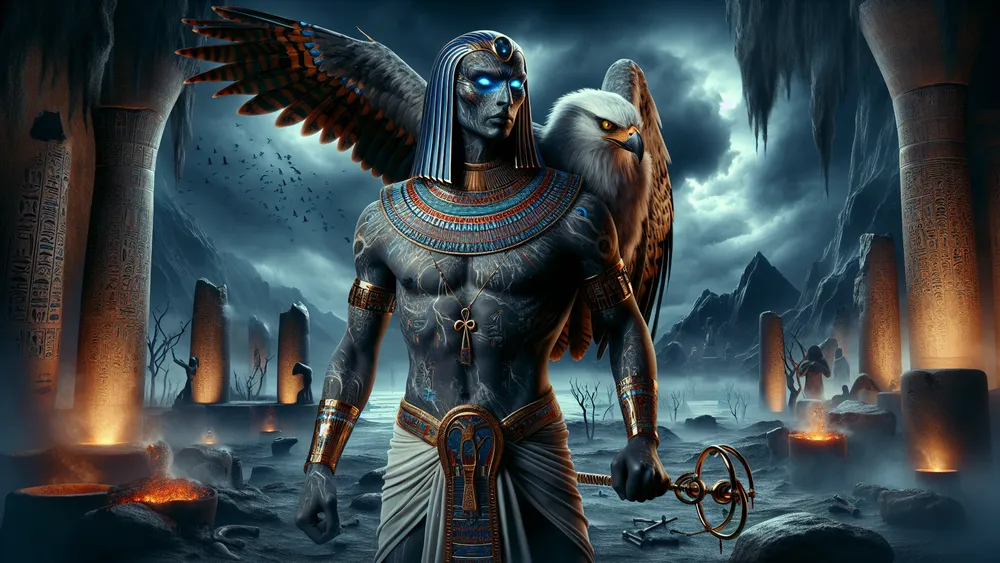
In the realm of Egyptian mythology, the gods and goddesses played significant roles in the lives of the ancient Egyptians. One of the lesser-known deities is Ba-pef. This deity is often associated with specific aspects of the afterlife and the journey of the soul. Ba-pef represents a unique aspect of the Egyptian pantheon, embodying the concept of the Ba, which is a crucial element in understanding the spiritual beliefs of ancient Egyptians. The Ba is often depicted as a bird with a human head, symbolizing the soul’s ability to travel between the worlds of the living and the dead.
Understanding Ba-pef
Ba-pef is not as widely recognized as other Egyptian gods, but his significance is profound in certain texts and beliefs. He is often depicted as a figure who guides the souls of the deceased. The name “Ba-pef” can be translated to mean “the Ba of the body,” which highlights his connection to the physical form and the afterlife. The ancient Egyptians believed that the soul consisted of several components, and Ba-pef played a vital role in this intricate system. The Ba was one of these components, representing individuality and personality, allowing the soul to interact with the world.
 Banebdjetet
In the context of Egyptian funerary practices, Ba-pef was crucial for ensuring that the deceased could navigate the afterlife successfully. The ancient Egyptians placed great importance on preserving the body after death, as they believed that the physical form was essential for the soul’s journey. The connection between Ba-pef and the physical body emphasizes the belief that the soul could not thrive without a well-preserved vessel. This notion is evident in the elaborate mummification processes that were prevalent in ancient Egyptian culture.
Ba-pef in Egyptian Texts
Ba-pef appears in several ancient Egyptian texts, although references to him may not be as extensive as those for more prominent deities like Osiris or Anubis. One of the key sources mentioning Ba-pef is the Book of the Dead, a collection of spells and prayers intended to assist the deceased in the afterlife. In this context, Ba-pef is often associated with the journey of the soul, guiding it through the challenges and trials it must face.
In the Book of the Dead, Ba-pef is depicted as a protector of the deceased, ensuring that they can overcome obstacles and reach the afterlife successfully. The texts often emphasize the importance of the Ba in the spiritual journey, portraying Ba-pef as a reassuring presence for those who have passed away. This aspect of Ba-pef underscores the belief in the interconnectedness of life, death, and the afterlife in ancient Egyptian culture.
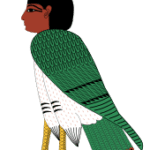 Ba
BaSymbolism and Depictions
The visual representations of Ba-pef are intriguing and offer insight into how the ancient Egyptians understood his role in the afterlife. While there are not many surviving images dedicated solely to Ba-pef, he is often represented in a manner similar to other Ba deities. The imagery typically includes a bird with a human head, which symbolizes the soul’s ability to transcend physical limitations. This portrayal reflects the duality of existence that the ancient Egyptians believed in, where the physical and spiritual realms are intertwined.
In addition to his bird-like representation, Ba-pef may also be depicted alongside other gods and goddesses associated with the afterlife, such as Osiris and Isis. These depictions often occur in tomb paintings or funerary artifacts, highlighting the significance of Ba-pef in the context of burial practices. The presence of Ba-pef in such art serves to remind the living of the importance of honoring the deceased and ensuring their safe passage into the afterlife.
Ba-pef and the Afterlife
One of the central themes in Egyptian mythology is the afterlife, and Ba-pef plays a vital role in this concept. The ancient Egyptians believed that after death, the soul would embark on a journey through the Du’at, the realm of the dead. This journey was fraught with challenges, including encounters with various deities and tests of worthiness. Ba-pef’s role as a guide was essential for the deceased to navigate these trials successfully.
 Atum-ra
The journey through the Du’at involved several stages, each requiring the soul to demonstrate its purity and worthiness. Ba-pef was thought to assist the deceased in overcoming these challenges, providing guidance and support. This belief underscores the importance of proper burial rites and the need for the living to honor their ancestors, as it was believed that the actions of the living could impact the fate of the deceased in the afterlife.
The Significance of Ba-pef in Modern Understanding
Today, Ba-pef may not be as well-known as other deities in the Egyptian pantheon, but his significance remains relevant in the study of Egyptian mythology. Scholars and enthusiasts of ancient Egyptian culture recognize that even lesser-known figures like Ba-pef contribute to a more comprehensive understanding of the spiritual beliefs of the time. The exploration of Ba-pef’s role in the afterlife helps illuminate the complex views that ancient Egyptians had regarding death, the soul, and the journey that follows.
Moreover, Ba-pef’s association with the Ba highlights the multifaceted nature of the soul in Egyptian thought. This understanding is crucial for grasping the overall belief system that shaped ancient Egyptian life and culture. By studying figures like Ba-pef, researchers can gain insights into the values and priorities of ancient Egyptians, particularly their emphasis on the afterlife and the importance of maintaining a connection with the deceased.
Rituals and Practices Related to Ba-pef
In ancient Egypt, rituals played a significant role in ensuring a successful transition to the afterlife. While specific rituals dedicated solely to Ba-pef may not be extensively documented, the general practices surrounding death and burial certainly encompassed his influence. The ancient Egyptians performed various ceremonies to honor the deceased and facilitate their journey through the afterlife. These rituals often involved offerings, prayers, and recitations from texts like the Book of the Dead.
One of the key components of these rituals was the practice of opening the mouth, a ceremony intended to restore the deceased’s ability to speak, eat, and drink in the afterlife. This ritual was vital for ensuring that the soul could interact with the divine and navigate the challenges of the Du’at. Ba-pef’s role as a guide would have been invoked during such ceremonies, emphasizing the importance of his protective presence for the deceased.
Ba-pef and Other Egyptian Deities
In the context of Egyptian mythology, Ba-pef is often linked with other gods and goddesses who have similar roles in the afterlife. For example, Osiris, the god of the afterlife, is a central figure in Egyptian beliefs surrounding death and resurrection. Osiris is often depicted as a mummified figure, symbolizing the cycle of life, death, and rebirth. Ba-pef’s role as a guide complements Osiris’s position as a ruler of the underworld, highlighting the collaborative nature of the divine in assisting souls on their journey.
Another important figure is Anubis, the god of embalming and the protector of graves. Anubis is often depicted as a jackal or a man with a jackal’s head, and he plays a crucial role in the mummification process and the weighing of the heart ceremony. Ba-pef’s association with the Ba positions him as a supportive figure alongside Anubis, working to ensure that the deceased can successfully navigate the afterlife. This interconnectedness among the deities reflects the complexity of Egyptian beliefs regarding death and the afterlife.
Ba-pef in Popular Culture
While Ba-pef may not be a household name in the same way as other Egyptian gods, his presence can still be felt in various aspects of popular culture. Egyptian mythology has long fascinated artists, writers, and filmmakers, leading to the incorporation of its themes and characters into modern storytelling. While Ba-pef himself may not be prominently featured, the concepts associated with him—such as the journey of the soul and the importance of the afterlife—are prevalent in many narratives.
Books, movies, and video games that draw inspiration from Egyptian mythology often explore the themes of death, resurrection, and the afterlife. In these stories, the essence of Ba-pef can be seen in the way characters navigate their spiritual journeys. The enduring fascination with Egyptian mythology continues to inspire new interpretations and adaptations, allowing figures like Ba-pef to maintain a presence in contemporary discussions about ancient beliefs.
Ba-pef may not be as widely recognized as some of the other deities in Egyptian mythology, but his role is nonetheless significant. As a guide for the deceased and a representation of the Ba, Ba-pef embodies the intricate beliefs surrounding the afterlife in ancient Egypt. Through the study of Ba-pef and his connections to other deities, we gain a deeper understanding of the values and practices that shaped ancient Egyptian culture and their views on life, death, and the spiritual journey that follows.