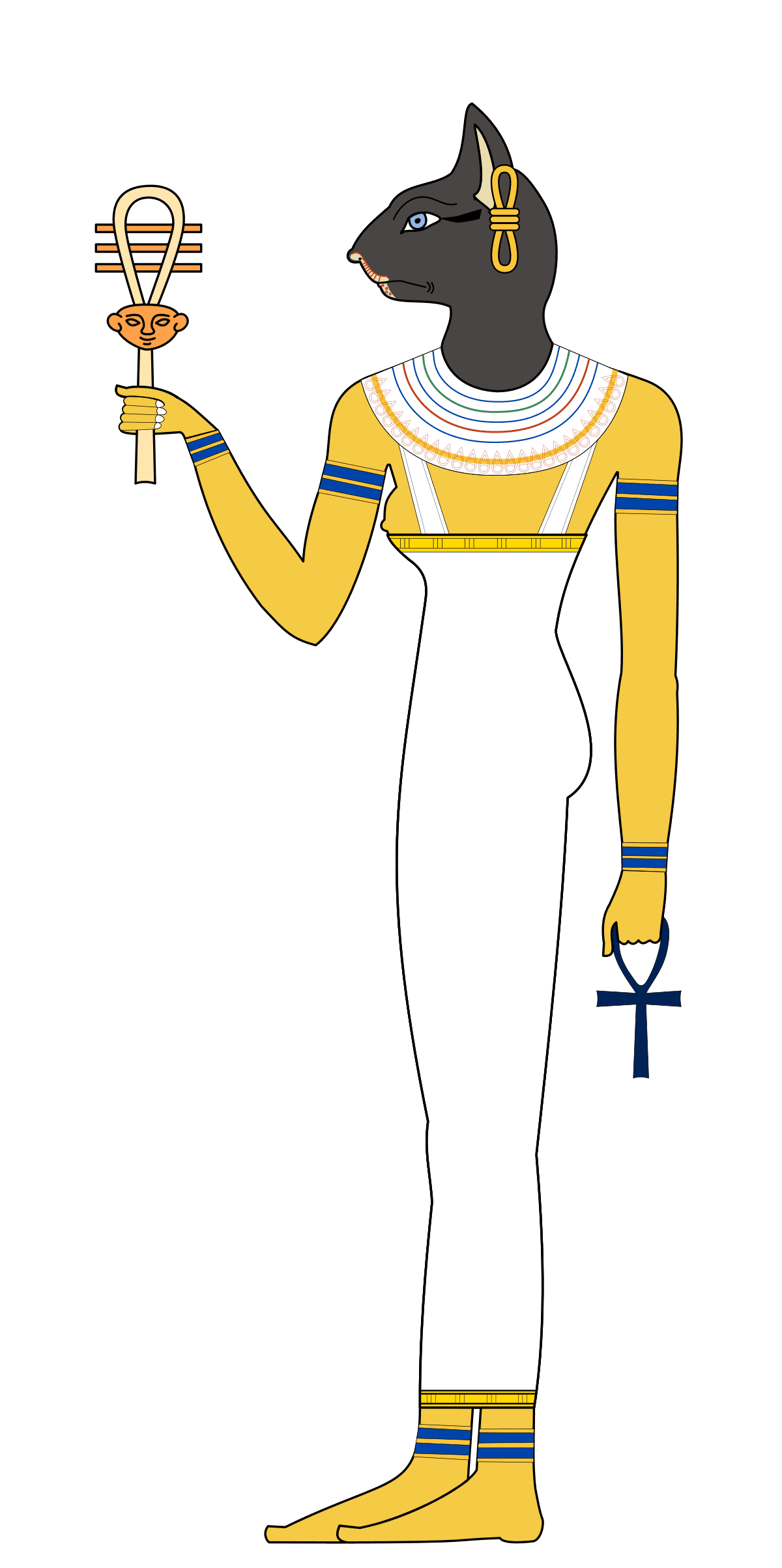
Bastet, known as the goddess of home, fertility, and domesticity, is one of the most celebrated deities in Egyptian mythology. She is often depicted as a lioness or as a woman with the head of a lioness or domestic cat. Bastet’s dual nature reflects both her fierce protective qualities and her nurturing side, making her a complex figure in the pantheon of Egyptian gods and goddesses. Throughout ancient Egyptian history, she was revered in various forms and her worship evolved over time, indicating her importance to the people of Egypt.
Origins of Bastet
The origins of Bastet can be traced back to the early days of ancient Egypt. Initially, she was associated with the lioness and represented the fierce and protective aspects of motherhood. As the goddess of war, she was thought to protect the pharaoh and the nation from invaders. Over time, her image transformed from that of a fierce lioness to a more gentle and nurturing figure. This shift symbolizes the changing roles of women in society and the importance of family and home.
In ancient texts, Bastet is often referred to as the daughter of the sun god Ra. Her connection to Ra highlights her significance within the solar mythology of ancient Egypt. As Ra’s daughter, she was believed to embody the sun’s nurturing and life-giving qualities, which further emphasizes her role as a goddess of fertility and motherhood. This duality in her character is one of the reasons why she is so widely revered.
Symbols and Representations
Bastet is commonly represented in various forms, each symbolizing different aspects of her character. One of the most recognizable symbols associated with her is the cat. Cats were highly regarded in ancient Egypt, often seen as sacred animals that brought good fortune and protection to households. The domestic cat, in particular, became a symbol of Bastet’s nurturing side, representing the warmth and comfort of home. Many families kept cats as pets, believing they would bring blessings from the goddess.
 Ba-pef
Another significant symbol of Bastet is the sistrum, a musical instrument associated with joy and celebration. The sistrum was often used in rituals dedicated to Bastet, reflecting her connection to music, dance, and festivity. This instrument symbolizes the joyful aspects of life, highlighting her role as a goddess of happiness and domestic harmony. The sistrum was believed to ward off evil spirits and attract positive energy, further emphasizing Bastet’s protective nature.
Worship and Festivals
The worship of Bastet was widespread throughout ancient Egypt, with her most significant cult center located in the city of Bubastis (modern-day Tell Basta). This city became a major religious hub, where elaborate temples were built in her honor. Pilgrimages to Bubastis were common, especially during the festival of Bastet, which celebrated her dual nature as a fierce protector and a nurturing mother. During this festival, people would gather to honor the goddess with music, dancing, and feasting.
The festival of Bastet, known as the Feast of Bubastis, was one of the most important celebrations in ancient Egypt. It took place during the month of Tybi, corresponding to our January or February. Thousands of worshippers would travel to Bubastis from all over Egypt, bringing offerings of food, wine, and incense. The celebrations included boat processions along the Nile, where participants would sing and dance, showcasing their devotion to the goddess. The lively atmosphere of the festival reflected the joy and abundance associated with Bastet.
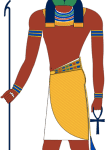 Banebdjetet
Bastet in Art and Literature
Bastet’s image has been a popular subject in ancient Egyptian art. She is often depicted in paintings, sculptures, and jewelry, showcasing her feline features and maternal qualities. Many artifacts have been discovered that represent her in various forms, including statues that show her with kittens, symbolizing her nurturing aspect. These artistic representations highlight the importance of Bastet in everyday life and her influence on family and home.
In ancient Egyptian literature, Bastet is frequently mentioned in hymns and prayers. These texts express the deep reverence the ancient Egyptians had for her, asking for her protection and blessings. One notable text is the “Hymn to Bastet”, which praises her qualities as a loving mother and fierce protector. This hymn reflects the duality of her nature and emphasizes her significance in the lives of her worshippers.
Legacy of Bastet
The legacy of Bastet continues to resonate even in modern times. Her image as a cat goddess has become a popular symbol in contemporary culture, often associated with themes of femininity, protection, and independence. The ancient Egyptians’ reverence for cats has led to the modern perception of them as mystical and protective creatures. Many people today keep cats as pets, drawn to their grace and enigmatic nature, qualities that echo the attributes of Bastet.
Moreover, Bastet’s influence can be seen in various forms of popular media, including literature, movies, and art. She is often portrayed as a powerful female figure, embodying both strength and compassion. This duality resonates with many people today, reflecting the complexities of modern femininity. Bastet’s legacy serves as a reminder of the importance of balancing strength with nurturing qualities, a theme that remains relevant across cultures and eras.
Bastet’s Role in Egyptian Society
Bastet’s role in Egyptian society extended beyond her religious significance; she also played a crucial part in the social fabric of ancient Egypt. As the goddess of home and family, she was invoked in matters of domestic life. Women would pray to her for fertility, safe childbirth, and the well-being of their families. Her nurturing aspect made her a central figure in the lives of women, who looked to her for guidance and support.
The protection offered by Bastet was not limited to families; it extended to the entire community. As a goddess who safeguarded the home, she was seen as a protector of the nation. This aspect of her character made her a vital figure in the context of warfare and national security. In times of conflict, the Egyptians would seek her favor, believing that her strength could help defend their land and ensure victory.
Bastet and the Afterlife
In addition to her roles in life, Bastet was also associated with the afterlife. Ancient Egyptians believed that she would guide souls to the afterlife, providing them with protection and comfort. Her nurturing nature made her a suitable figure to accompany the deceased on their journey. In tombs, depictions of Bastet were often included to ensure that the deceased would receive her blessings in the afterlife.
The belief in Bastet’s role in the afterlife is reflected in the funerary practices of ancient Egyptians. Many families would place small statues of Bastet in tombs or graves, symbolizing their hope for her protection in the afterlife. This practice underscores the enduring connection between the goddess and the concept of life beyond death, illustrating her importance in both the living and the spiritual realms.
Modern Interpretations of Bastet
Today, Bastet is often interpreted through various lenses, including feminist and cultural studies. Her dual nature as both a nurturing mother and a fierce warrior has made her an icon for those advocating for women’s rights and empowerment. Many see her as a symbol of the strength that women possess, capable of balancing multiple roles in society while also standing up for themselves and their loved ones.
In contemporary spirituality, some people invoke Bastet as a goddess of protection and guidance. Her image is often used in rituals and practices aimed at fostering personal strength and nurturing qualities. This modern interpretation of Bastet reflects the ongoing relevance of her attributes in today’s world, where individuals seek to connect with their inner strength while also nurturing their relationships and communities.
Bastet remains one of the most beloved and complex deities in Egyptian mythology. Her dual nature as a fierce protector and nurturing mother reflects the multifaceted roles women have played throughout history. As a symbol of home, fertility, and joy, Bastet continues to inspire and resonate with people around the world. Through her enduring legacy, she reminds us of the importance of balance in our lives, embodying the strength and compassion that define our humanity.