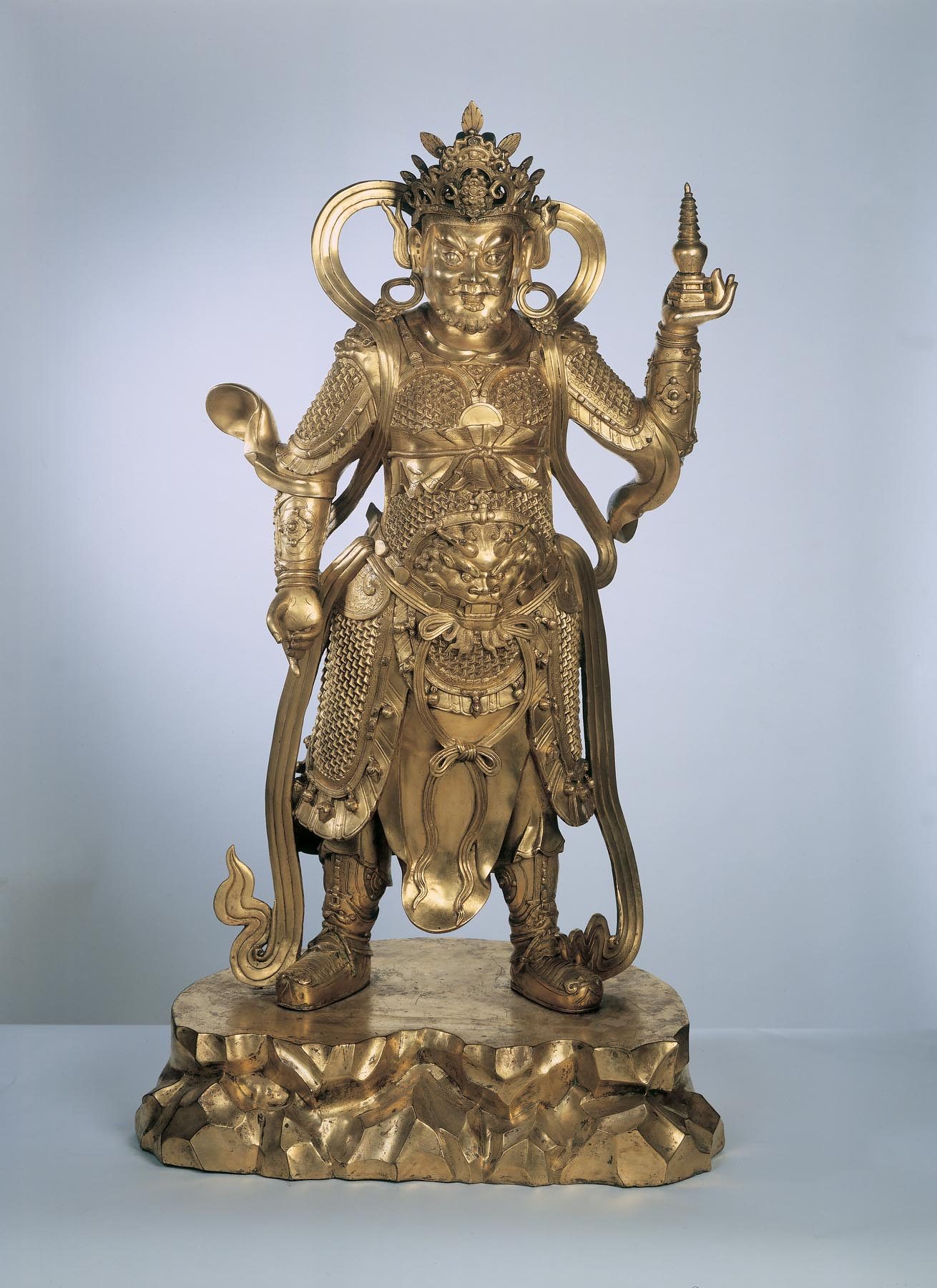
Si Da Tian Wang, also known as the Four Heavenly Kings, is a significant figure in Buddhist mythology. These deities are often depicted as guardians of the four cardinal directions, playing a vital role in the protection of the Buddhist faith and its followers. They are revered not only for their strength but also for their wisdom and ability to uphold dharma, the cosmic law and order. Each of the Four Heavenly Kings is associated with a specific direction and has unique attributes and responsibilities that reflect their role in the universe.
Origin and Significance
The origin of the Four Heavenly Kings can be traced back to ancient Indian texts, which later found their way into Buddhism as it spread across Asia. In the context of Buddhist cosmology, they are considered protectors of the world and are often depicted in temple art and architecture. Their significance extends beyond mere guardianship; they embody the principles of protection, justice, and spiritual strength. This makes them central figures in the understanding of Buddhist teachings and the spiritual journey of practitioners.
 Emma-o
In various texts, the Four Heavenly Kings are associated with specific virtues that align with their roles as protectors. They symbolize the safeguarding of the Buddha’s teachings and the well-being of the community. Their importance is emphasized in many Buddhist rituals, where followers seek their blessings and protection. They are often invoked during ceremonies to ensure peace and stability, reflecting their role as both protectors and enforcers of dharma.
Individual Kings and Their Attributes
Each of the Four Heavenly Kings has distinct attributes and is associated with a specific direction. These kings are known as Vaishravana (North), Dhrtarastra (East), Virupaksha (West), and Vaisravana (South). Understanding each king’s role provides insight into the broader narrative of Buddhist mythology and the cosmological order.
Dhrtarastra – The King of the East
Dhrtarastra is the king associated with the east and is often depicted as a blind figure, symbolizing his ability to see beyond the physical realm. His blindness is interpreted as a metaphor for his inner vision, representing the ability to perceive the truth of the world. Dhrtarastra is often portrayed holding a stringed instrument, which signifies his role in maintaining harmony and balance in the universe. He is known as the guardian of the law and is often invoked for protection against chaos and disorder.
 Eightfold Way
- Attributes: Inner vision, harmony, protection
- Symbolism: Blindness representing deeper insight
- Role: Guardian of the law
Devotees often pray to Dhrtarastra for guidance and protection from negative influences. His character embodies the ideals of justice and order, making him a crucial figure in the Buddhist pantheon. Temples dedicated to him often feature elaborate murals and sculptures, depicting him in a majestic stance, surrounded by celestial beings who assist him in his duties.
Virupaksha – The King of the West
Virupaksha, the king of the west, is often depicted with a fierce expression and a powerful stance. He is known as the protector of the Buddhist teachings and is often associated with the strength needed to uphold the dharma. His fierce demeanor serves to intimidate evil spirits and malevolent forces, ensuring the safety of those who follow the path of Buddhism. Virupaksha is frequently shown holding a spear or sword, symbolizing his readiness to combat ignorance and negativity.
- Attributes: Strength, protection, vigilance
- Symbolism: Fierce demeanor to ward off evil
- Role: Protector of Buddhist teachings
His followers often seek his blessings for courage and strength in their spiritual journeys. Virupaksha’s temples are adorned with intricate carvings that depict him in battle with various demonic forces, showcasing his role as a defender of the faith. His character serves as a reminder of the importance of remaining vigilant against distractions and obstacles on the spiritual path.
 Drigum Tsenpo
Vaishravana – The King of the North
Vaishravana, the king of the north, is often associated with wealth and prosperity. He is depicted as a robust figure adorned with jewels and treasures, symbolizing the abundance that comes from following the right path. Vaishravana is not only a guardian of material wealth but also a protector of spiritual riches, embodying the idea that true wealth comes from wisdom and compassion. His attributes include generosity and the ability to bestow blessings upon his devotees.
- Attributes: Wealth, prosperity, generosity
- Symbolism: Abundance through spiritual practice
- Role: Guardian of material and spiritual wealth
Devotees often pray to Vaishravana for success in their endeavors, both spiritual and material. His temples are often lavishly decorated, reflecting his association with prosperity. In Buddhist literature, he is frequently mentioned as a source of blessings for those who practice generosity and compassion, reinforcing the idea that true wealth lies in selflessness.
Vaisravana – The King of the South
Vaisravana, also known as the guardian of the south, is often depicted as a calm and serene figure, representing peace and tranquility. He is associated with the natural elements and is believed to protect the environment and all living beings. Vaisravana is often shown holding a lotus, symbolizing purity and enlightenment. His character embodies the principles of compassion and harmony, making him a beloved figure among practitioners.
- Attributes: Peace, tranquility, compassion
- Symbolism: Lotus representing purity
- Role: Guardian of the environment and living beings
Followers often seek Vaisravana’s blessings for inner peace and harmony in their lives. His teachings emphasize the importance of nurturing both the body and the environment, reflecting a holistic approach to spirituality. Temples dedicated to him often feature serene gardens and peaceful spaces, inviting meditation and reflection.
Art and Iconography
The Four Heavenly Kings are prominent figures in Buddhist art and iconography. Their depictions vary across different cultures and regions, reflecting local interpretations and artistic styles. In many Buddhist temples, they are often portrayed as larger-than-life figures, symbolizing their strength and protective nature. Their images serve as reminders of the virtues they embody and the protection they offer to practitioners.
In traditional Buddhist art, each king is often depicted in vibrant colors, with intricate details that highlight their attributes. For example, Dhrtarastra may be shown in a regal pose, while Virupaksha’s fierce expression is accentuated to convey his strength. The use of color and symbolism in their depictions is significant, as it serves to convey their unique qualities and the roles they play in the cosmic order.
Temples and Shrines
Temples dedicated to the Four Heavenly Kings can be found throughout Asia, each reflecting the cultural influences of the region. These temples often serve as places of worship and community gathering, where followers come to seek blessings and protection. The architecture of these temples is often grand, featuring intricate carvings and sculptures that depict the kings in various poses and settings.
- Architectural Styles: Varies by region
- Common Features: Intricate carvings, vibrant colors
- Purpose: Places of worship and community gathering
Visitors to these temples often participate in rituals and ceremonies that honor the Four Heavenly Kings. Offerings are made, and prayers are recited to seek their protection and guidance. The temples serve as a reminder of the spiritual journey and the importance of remaining connected to the teachings of Buddhism.
Cultural Impact and Influence
The Four Heavenly Kings have had a profound impact on various cultures and traditions within Buddhism. Their stories and attributes have been incorporated into local folklore, art, and literature, enriching the cultural tapestry of Buddhist societies. They are often referenced in teachings and sermons, serving as examples of the virtues that practitioners should aspire to embody.
In many cultures, the Four Heavenly Kings are celebrated during festivals and religious observances. These events often include rituals, performances, and community gatherings that honor the kings and their protective qualities. The influence of the Four Heavenly Kings extends beyond religious practices, as they are also featured in popular culture, literature, and art, reflecting their enduring significance in the Buddhist tradition.
Festivals and Celebrations
Various festivals are dedicated to the Four Heavenly Kings, where communities come together to celebrate their virtues and seek their blessings. These festivals often include colorful processions, traditional dances, and offerings made at temples. The celebrations serve as a reminder of the importance of community, spirituality, and the teachings of Buddhism.
- Common Activities: Processions, dances, offerings
- Purpose: To honor the kings and seek blessings
- Community Involvement: Encourages unity and shared spirituality
During these festivals, stories and teachings related to the Four Heavenly Kings are shared, reinforcing their significance in the spiritual journey of practitioners. The vibrant atmosphere and communal spirit foster a sense of belonging and connection to the teachings of Buddhism.
Si Da Tian Wang, or the Four Heavenly Kings, holds a prominent place in Buddhist mythology. Their roles as protectors of the cardinal directions, guardians of the dharma, and embodiments of essential virtues make them central figures in the understanding of Buddhist cosmology. Through their individual attributes and collective significance, they serve as reminders of the values that practitioners should strive to uphold in their spiritual journeys.
Their depictions in art, architecture, and cultural practices highlight their enduring influence and the reverence with which they are regarded by followers of Buddhism. As the teachings of Buddhism continue to spread and evolve, the Four Heavenly Kings remain steadfast symbols of protection, strength, and wisdom.