
In ancient Egyptian mythology, Ammit is a fascinating and complex figure that embodies the concept of judgment and the afterlife. Known as the “Devourer of the Dead,” Ammit plays a critical role in the process of weighing the hearts of the deceased. This mythological creature is a unique combination of several animals, representing the fears and beliefs of the ancient Egyptians regarding life after death. Understanding Ammit’s significance offers insights into the broader themes of morality, justice, and the afterlife in ancient Egyptian culture.
Origins of Ammit
The origins of Ammit can be traced back to the rich tapestry of Egyptian mythology. She is often depicted as a fearsome creature with the head of a crocodile, the body of a lion, and the hindquarters of a hippopotamus. These animals were chosen not only for their ferocity but also for their symbolic meanings. The crocodile represents the dangers of the Nile, the lion symbolizes strength and power, and the hippopotamus is often associated with fertility and protection. Together, these traits create a powerful image of a being that is both feared and respected.
 Abtu
AbtuAmmit’s role in the afterlife is primarily linked to the Weighing of the Heart ceremony, which is a crucial aspect of the ancient Egyptian belief system. This ceremony takes place in the Hall of Two Truths, where the deceased’s heart is weighed against the feather of Ma’at, the goddess of truth and justice. If the heart is found to be lighter than the feather, it signifies a life of virtue, allowing the individual to enter the afterlife. However, if the heart is heavier due to a life of wrongdoing, Ammit is there to claim the soul.
Ammit’s Role in the Weighing of the Heart
The Weighing of the Heart is a pivotal moment in the journey of the deceased. After a person dies, their soul is guided to the Hall of Judgment, where they must face the gods and their deeds in life. The god Anubis, known as the guardian of the dead, oversees this process. He places the heart of the deceased on one side of a scale and the feather of Ma’at on the other. This act symbolizes the balance of morality and the importance of living a just life.
When the heart is weighed, Ammit awaits the outcome with anticipation. If the heart is heavier, it indicates that the deceased has committed sins and failed to live according to the principles of Ma’at. In this case, Ammit will consume the heart, resulting in the ultimate punishment of annihilation. This fate is feared by all ancient Egyptians, as it means that the individual will not be granted eternal life and will instead cease to exist altogether.
 Apep
ApepSymbolism of Ammit
Ammit is rich in symbolism, representing not just the consequences of one’s actions but also the overarching theme of justice in ancient Egyptian society. Her fearsome appearance serves as a reminder of the potential consequences of a life filled with wrongdoing. The combination of the three animals signifies that the punishment is not only severe but also comprehensive, covering various aspects of a person’s life and character.
Additionally, Ammit embodies the ancient Egyptians’ deep-seated belief in the duality of existence. Life and death, virtue and sin, and justice and punishment are all intertwined in their worldview. By personifying these concepts in the form of Ammit, the Egyptians created a tangible representation of their moral beliefs. This duality is essential in understanding how they approached the idea of the afterlife and the importance of living a virtuous life.
Ammit in Art and Literature
Ammit has been depicted in various forms of art and literature throughout ancient Egyptian history. In tomb paintings and carvings, she is often shown in the act of devouring a heart, emphasizing her role as the ultimate judge of morality. These representations serve not only as warnings to the living but also as a way to instill a sense of hope in the righteous. For those who lived virtuously, the imagery of Ammit can be seen as a reassurance that their deeds will be rewarded.
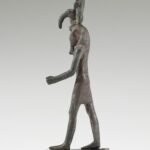 Iah
IahIn ancient texts, such as the Book of the Dead, Ammit is mentioned explicitly during the description of the Weighing of the Heart. These texts served as guides for the deceased, outlining what to expect in the afterlife. They provided instructions on how to navigate the challenges of judgment and offered prayers to the gods for mercy. Ammit’s presence in these writings underscores the seriousness with which the ancient Egyptians approached the concepts of sin and redemption.
Comparison with Other Mythological Creatures
Ammit is not unique in her role as a devourer of souls; many cultures have similar mythological figures that represent punishment for the wicked. For example, in Greek mythology, the three Furies serve a similar purpose, punishing those who have committed grave sins. Likewise, in Norse mythology, the wolf Fenrir is destined to consume Odin during Ragnarok, symbolizing chaos and destruction. These comparisons highlight a universal theme across cultures: the idea that there must be consequences for one’s actions.
However, Ammit stands out due to her specific association with the afterlife and the weighing of the heart. While other cultures may have figures that represent punishment, Ammit’s unique role in the judgment process is a defining characteristic of her mythology. This aspect emphasizes the ancient Egyptians’ focus on morality and justice, setting their beliefs apart from those of other civilizations.
The Legacy of Ammit
The legacy of Ammit continues to influence modern interpretations of morality and justice. In contemporary discussions about ethics, the idea of facing consequences for one’s actions is a recurring theme. Many people draw parallels between Ammit and the concept of karma, where one’s deeds ultimately return to them in some form. This connection highlights how ancient beliefs can still resonate in today’s society, shaping our understanding of right and wrong.
Moreover, Ammit’s story serves as a reminder of the importance of living a life of integrity. The ancient Egyptians placed great emphasis on the idea that one’s actions would be judged in the afterlife. This belief can inspire individuals today to reflect on their own lives and consider the impact of their choices. By acknowledging the lessons from Ammit’s mythology, people can strive to lead more virtuous lives, ultimately contributing to a more just society.
Modern Representations of Ammit
In recent years, Ammit has found her way into popular culture, appearing in various forms of media, including films, television shows, and literature. Her portrayal often emphasizes her fearsome nature, reflecting the ancient Egyptians’ views on morality and judgment. For instance, in the animated film “The Prince of Egypt,” Ammit is depicted as a powerful figure in the afterlife, reinforcing her role as a guardian of justice.
Additionally, video games and graphic novels have incorporated Ammit into their narratives, introducing her to new audiences. These modern interpretations often blend traditional elements of her mythology with contemporary storytelling techniques, making her character accessible and relatable to a broader audience. As a result, Ammit continues to captivate the imagination of people around the world, demonstrating the enduring power of ancient myths.
Conclusion of Ammit’s Mythology
The mythology of Ammit is a profound exploration of the themes of justice, morality, and the afterlife in ancient Egyptian culture. Her role as the Devourer of the Dead serves as a stark reminder of the consequences of one’s actions, instilling a sense of accountability in individuals. Through her symbolism and representation in art and literature, Ammit embodies the complex beliefs of the ancient Egyptians regarding life, death, and the journey of the soul.
As we reflect on Ammit’s legacy, we can appreciate the timeless lessons her story imparts. The importance of living a virtuous life, the inevitability of facing consequences, and the pursuit of justice are themes that resonate across cultures and generations. Ammit’s enduring presence in modern culture further attests to the relevance of these ideas, reminding us of the significance of our choices and the impact they have on our lives and the lives of others.