
In Hindu mythology, Prithvi is known as the Earth goddess, embodying the essence of the Earth itself. She is often revered as a nurturing figure, providing sustenance and support to all living beings. Prithvi is considered one of the Pancha Bhoota, the five great elements that constitute the universe, alongside water, fire, air, and space. Her significance goes beyond just being a physical entity; she represents stability, fertility, and the nurturing aspect of nature. As the Earth, Prithvi is also associated with the concept of motherhood, reflecting the belief that the Earth is a mother who sustains her children.
Origins of Prithvi in Hindu Texts
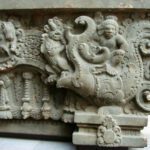 Maruts
The origins of Prithvi can be traced back to ancient Hindu texts, including the Vedas and the Upanishads. In these scriptures, Prithvi is often depicted as a divine being, embodying the qualities of strength and resilience. She is described as being firm and stable, symbolizing the grounding force of the Earth. In the Rigveda, one of the oldest texts in Hindu literature, Prithvi is celebrated as a mother who gives life to all beings and is often invoked during rituals to seek her blessings.
Prithvi is sometimes referred to as Dharti or Bhumi, both of which highlight her role as the Earth. In various hymns, she is praised for her ability to provide food, shelter, and resources necessary for survival. The reverence for Prithvi is evident in the way ancient cultures viewed the Earth as a sacred entity. Rituals and offerings were made to honor her, reflecting the deep connection between humans and the land they inhabit.
Prithvi in Hindu Cosmology
In Hindu cosmology, Prithvi plays a vital role in the creation and sustenance of the universe. According to ancient beliefs, the universe is composed of five elements, with Prithvi being the most tangible and essential for life. The interaction between Prithvi and the other elements creates a balance that is necessary for the existence of all living beings. This balance is crucial for maintaining harmony in the world, and disruptions in this balance can lead to natural disasters and ecological imbalances.
 Marichi
Prithvi is also associated with various deities in Hindu mythology. For instance, she is often linked with Vishnu, who is known as the preserver of the universe. In one of the stories, Vishnu takes the form of a boar, Varaha, to rescue Prithvi from the demon Hiranyaksha, who had submerged her in the cosmic ocean. This mythological tale illustrates the protective nature of Vishnu and the significance of Prithvi as a vital element of existence.
Symbolism and Representation of Prithvi
Prithvi is often symbolized by various natural elements, including mountains, forests, and rivers. These symbols represent her vastness and diversity, showcasing the different landscapes that make up the Earth. In art and sculpture, Prithvi is frequently depicted as a woman, embodying the qualities of fertility and abundance. She is usually shown with green vegetation surrounding her, signifying the life-giving properties of the Earth.
In addition to her representation in art, Prithvi’s symbolism extends to various cultural practices. For example, during the festival of Makar Sankranti, people celebrate the harvest and give thanks to Prithvi for her bounty. This festival highlights the connection between humans and the Earth, emphasizing the importance of respecting and nurturing the land that provides for them.
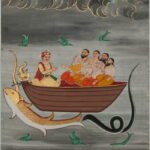 Manu
ManuPrithvi in Rituals and Worship
Prithvi holds a significant place in Hindu rituals and worship. Many ceremonies begin with an invocation to the Earth, seeking her blessings for a fruitful and prosperous life. The pranayama practice in yoga often includes the chanting of mantras dedicated to Prithvi, emphasizing the importance of grounding oneself and connecting with the Earth. Such practices help individuals cultivate a sense of awareness and appreciation for the environment.
In rural communities, rituals are often performed to honor Prithvi before the sowing of seeds. Farmers offer prayers and perform rituals to seek her blessings for a bountiful harvest. This deep-rooted tradition reflects the understanding that the success of agriculture relies heavily on the health of the Earth. The relationship between the farmer and Prithvi is one of mutual respect, where the farmer acknowledges her role in providing sustenance.
Prithvi and Environmental Awareness
In contemporary times, the concept of Prithvi has gained renewed importance in the context of environmental awareness. As the world faces challenges such as climate change and environmental degradation, the teachings associated with Prithvi serve as a reminder of the need to protect and nurture the Earth. The ancient wisdom embedded in Hindu mythology emphasizes the interconnectedness of all living beings and the environment.
Many environmental movements draw inspiration from the reverence for Prithvi, advocating for sustainable practices and the protection of natural resources. The idea of treating the Earth as a living entity encourages individuals and communities to adopt eco-friendly practices, promoting a harmonious relationship with nature. By honoring Prithvi, people are reminded of their responsibility to care for the planet and its ecosystems.
Prithvi, as the Earth goddess in Hindu mythology, represents the essence of life and sustenance. Her significance transcends ancient texts, permeating cultural practices, rituals, and contemporary environmental movements. The teachings associated with Prithvi remind us of the importance of respecting and nurturing the Earth, highlighting the interconnectedness of all living beings. As we navigate the challenges of the modern world, the reverence for Prithvi serves as a guiding principle in our efforts to create a sustainable future.