
Abtu is a significant figure in Egyptian mythology, representing the essence of rebirth and the afterlife. He is often associated with the underworld and is known for his role in the ancient Egyptian belief system surrounding death and resurrection. His character and mythos are intertwined with the larger narratives of gods and goddesses, especially in relation to the sun and the cycles of life. The myths surrounding Abtu provide a fascinating insight into how ancient Egyptians understood their world, the afterlife, and the divine.
The Origins of Abtu
Abtu, sometimes referred to as Abtu the Great, has origins that can be traced back to the early dynastic period of Egypt. His name is often linked with the ancient city of Abydos, which was a significant religious center. Abydos was believed to be the burial place of Osiris, the god of the afterlife, and this connection enhances Abtu’s role in the mythology of death and resurrection. In this context, Abtu is often depicted as a guardian of the dead, guiding souls through the trials of the afterlife.
 Apep
ApepThroughout various ancient texts and inscriptions, Abtu is depicted in different forms. He is sometimes represented as a crocodile or as a figure associated with the flooding of the Nile. The Nile was crucial for Egyptian agriculture and survival, and its annual flooding was a symbol of renewal and rebirth, paralleling the themes associated with Abtu. This connection to water and fertility reinforces his role as a deity of life and death.
Abtu in Egyptian Texts
Abtu appears in various ancient Egyptian texts, including the Pyramid Texts and the Book of the Dead. These texts were essential in guiding the deceased through the afterlife, offering spells and prayers to assist them in their journey. In these writings, Abtu is often mentioned in conjunction with other deities, emphasizing his importance in the pantheon. His presence in these texts underscores the ancient Egyptians’ deep reverence for the afterlife and the belief in a continued existence beyond death.
In the Pyramid Texts, Abtu is sometimes called upon to protect the pharaoh and ensure a safe passage to the afterlife. His role as a guide is critical, as he helps navigate the dangerous realms that the deceased must traverse. This idea of guidance is a recurring theme in Egyptian mythology, where various gods and goddesses assist souls in their journeys. Abtu’s mention in these sacred texts highlights his significance in ensuring the continuity of life after death.
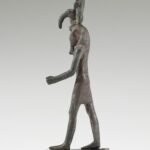 Iah
IahThe Symbolism of Abtu
The symbolism associated with Abtu is rich and multifaceted. As a deity linked to the underworld, he embodies the duality of life and death. His role as a guide signifies the transition from the physical world to the spiritual realm, a journey that every soul must undertake. This duality is reflective of the ancient Egyptian belief in the cyclical nature of existence, where death is not an end but a transformation into another state of being.
Abtu is often depicted in art and iconography with symbols of rebirth and renewal. The crocodile, one of his forms, represents both danger and protection, embodying the complexities of the afterlife journey. In this way, Abtu serves as a reminder that while death may be feared, it is also a necessary part of the life cycle. This perspective encourages the living to honor their ancestors and maintain connections with those who have passed, reinforcing the cultural importance of remembrance in Egyptian society.
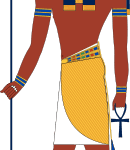 Wepwawet
Abtu and Other Deities
In the vast pantheon of Egyptian gods, Abtu often interacts with other significant deities. One of the most notable relationships is with Osiris, the god of the afterlife. Osiris’s myth revolves around death, resurrection, and eternal life, making him a natural counterpart to Abtu. Together, they represent the cycle of life and death, with Osiris symbolizing the death aspect and Abtu embodying the journey and transformation into the afterlife.
Another important figure in Abtu’s narrative is Isis, the wife of Osiris and a goddess of magic and motherhood. Isis is often portrayed as a protector of the dead, working alongside Abtu to ensure that souls are guided safely to their final resting place. The collaboration between these deities illustrates the interconnectedness of Egyptian mythology, where various gods and goddesses work together to uphold cosmic order and assist humanity in navigating the complexities of life and death.
Abtu in Rituals and Worship
The worship of Abtu, like many other deities in ancient Egypt, involved rituals and ceremonies aimed at honoring the dead and ensuring their safe passage to the afterlife. Priests and priestesses would conduct rituals at sacred sites, such as Abydos, where offerings were made to Abtu to seek his favor and protection for the deceased. These rituals often included prayers, hymns, and the recitation of spells from the Book of the Dead, all designed to invoke Abtu’s guidance.
Additionally, the ancient Egyptians believed in the importance of proper burial practices to honor the deceased. This included the use of funerary objects and the preservation of the body through mummification. Abtu’s role in these practices was significant, as he was seen as a protector who ensured that the deceased could navigate the challenges of the afterlife. The elaborate burial rites not only honored the dead but also reinforced the community’s beliefs in the afterlife and the importance of maintaining a connection with those who had passed.
The Legacy of Abtu
The legacy of Abtu continues to be felt in modern discussions of Egyptian mythology and spirituality. His role as a guide and protector of souls resonates with contemporary themes of life after death and the quest for understanding what lies beyond. As scholars and enthusiasts delve into ancient texts and artifacts, Abtu’s character serves as a reminder of the complexities of human belief systems and the enduring quest for meaning in the face of mortality.
Furthermore, the stories and symbolism associated with Abtu have inspired various artistic expressions, from literature to visual arts. Modern interpretations of Egyptian mythology often explore themes of rebirth, transformation, and the interplay between life and death, reflecting the enduring relevance of figures like Abtu. By examining his legacy, we gain insight into the ancient Egyptian worldview and its profound impact on subsequent cultures and belief systems.
Abtu stands as a vital figure in the rich tapestry of Egyptian mythology. His associations with the afterlife, rebirth, and guidance underscore the ancient Egyptians’ intricate beliefs about death and the journey beyond. Through various texts, rituals, and artistic representations, Abtu’s legacy continues to captivate the imagination and inspire curiosity about the ancient world. As we explore the depths of Egyptian mythology, Abtu remains a powerful symbol of the eternal cycle of life, death, and rebirth.