
Acala, a prominent figure in Buddhist mythology, represents a significant aspect of the spiritual landscape in various Buddhist traditions. Known as the “Immovable One,” Acala is often depicted as a fierce protector of the Buddhist teachings and is associated with the removal of obstacles that hinder spiritual progress. His fierce demeanor and resolute nature symbolize the unwavering commitment to the path of enlightenment. Acala is not just a deity; he embodies the strength and determination required to overcome the challenges faced on the spiritual journey. In this article, we will explore the various aspects of Acala, including his origins, symbolism, and the role he plays in Buddhist practices.
Origins of Acala
The origins of Acala can be traced back to ancient India, where he emerged as a significant figure within the Buddhist pantheon. His roots are often linked to the Vajrayana tradition, which emphasizes the use of rituals and symbols to achieve enlightenment. Acala is sometimes considered a manifestation of the Bodhisattva Avalokiteshvara, who embodies compassion and mercy. This connection highlights Acala’s role in not only protecting the teachings but also guiding practitioners towards a compassionate approach in their spiritual journey.
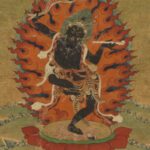 Yeti
YetiIn various texts, Acala is described as a guardian who stands firm against ignorance and delusion. His name, which translates to “immovable,” reflects his steadfast nature. In some Buddhist schools, Acala is also associated with the Five Wisdoms, representing the wisdom that arises from overcoming the five poisons: ignorance, attachment, aversion, pride, and jealousy. This connection underscores his importance in helping practitioners confront and transcend their inner obstacles.
Symbolism of Acala
Acala is rich in symbolism, which serves to convey profound spiritual truths. One of the most recognizable symbols associated with Acala is the flame. Often depicted surrounded by flames, Acala represents the transformative power of wisdom that burns away ignorance and attachment. This imagery serves as a reminder that true wisdom can illuminate the darkest corners of the mind, leading to enlightenment.
Another important symbol is the sword that Acala wields. The sword is a powerful emblem of discernment and the cutting through of delusion. It signifies the ability to sever the ties of ignorance and attachment that bind individuals to the cycle of suffering. In many depictions, Acala is shown brandishing his sword with great ferocity, symbolizing the fierce determination required to overcome obstacles on the path to enlightenment.
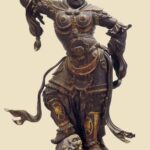 Zocho-ten
Physical Depictions of Acala
- Posture: Acala is often depicted in a dynamic posture, suggesting movement and readiness for action.
- Facial Expression: His facial expression is typically fierce, with a determined look that conveys strength and resolve.
- Clothing: Acala is usually adorned in rich, ornate clothing that signifies his status as a protector and deity.
- Accompaniment: He is often accompanied by other figures, such as attendants or guardian deities, reinforcing his role as a protector.
Role in Buddhist Practices
Acala plays a vital role in various Buddhist practices, particularly in rituals aimed at overcoming obstacles and achieving spiritual growth. Devotees often invoke Acala’s name during prayers and ceremonies, seeking his protection and guidance. His presence is believed to help practitioners confront their fears and doubts, enabling them to move forward on their spiritual path.
One common practice involving Acala is the recitation of mantras. Mantras dedicated to Acala, such as the Acala mantra, are chanted to invoke his strength and support. These mantras serve as a means of focusing the mind and cultivating the inner strength needed to face challenges. Practitioners believe that the repetition of these sacred sounds can create a protective barrier against negative influences and distractions.
Rituals Associated with Acala
- Fire Rituals: Fire offerings are often made to Acala, symbolizing the purification of negative energies and the transformation of obstacles.
- Statue Offerings: Devotees may create altars with Acala statues, offering flowers, incense, and food as a sign of respect and devotion.
- Visualization Practices: Practitioners may engage in visualization exercises, imagining Acala’s fierce presence guiding them through their struggles.
Acala in Different Buddhist Traditions
Acala is revered in various Buddhist traditions, each interpreting his significance in unique ways. In the Japanese Shingon tradition, for example, Acala is known as Fudō Myōō, the “Immovable Wisdom King.” He is considered a protector of the Buddhist teachings and is often depicted in temple art. Fudō Myōō is particularly popular among practitioners seeking to overcome physical and spiritual obstacles, emphasizing his role as a fierce guardian.
 Zennyo Ryuo
In Tibetan Buddhism, Acala is also a significant figure, where he is associated with the Vajrayana practices. Tibetan practitioners often invoke Acala’s strength during rituals designed to remove obstacles and enhance spiritual development. His fierce nature is seen as a source of inspiration for those facing challenges on their path to enlightenment.
Celebrations and Festivals
- Acala Festival: In some cultures, a specific festival is dedicated to Acala, where rituals and prayers are performed to honor his protective qualities.
- Temple Processions: Devotees may participate in temple processions featuring Acala statues, expressing their devotion and seeking blessings.
- Community Offerings: During significant religious events, communities may come together to make offerings to Acala, reinforcing collective faith.
Acala’s Teachings and Lessons
Acala’s teachings extend beyond his role as a protector; they encompass essential lessons for practitioners. One of the most important teachings associated with Acala is the importance of determination and commitment on the spiritual path. His fierce demeanor serves as a reminder that challenges are an integral part of the journey towards enlightenment. Practitioners are encouraged to face their fears and doubts head-on, drawing inspiration from Acala’s unwavering strength.
Another key lesson from Acala is the idea of transformation. Just as flames can purify and transform, individuals are reminded that their struggles can lead to growth and enlightenment. Acala’s symbolism of fire encourages practitioners to embrace their challenges as opportunities for personal development. This perspective shifts the focus from avoidance to acceptance, fostering resilience and inner strength.
Personal Reflections and Practices
- Meditation: Practitioners may engage in meditation focused on Acala, visualizing his fierce presence and drawing strength from it.
- Affirmations: Daily affirmations invoking Acala’s strength can help cultivate a mindset of determination and resilience.
- Community Support: Seeking support from fellow practitioners can enhance one’s journey, as sharing challenges can lead to collective growth.
Acala’s significance in Buddhist mythology is profound and multifaceted. As a fierce protector, he embodies the qualities of determination, transformation, and resilience that are essential on the spiritual path. His teachings inspire practitioners to confront their obstacles and embrace their challenges as opportunities for growth. Through rituals, prayers, and personal reflections, devotees can connect with Acala’s powerful presence, drawing strength and guidance as they navigate their spiritual journeys. Acala stands as a testament to the unwavering spirit of those seeking enlightenment, reminding all that the path, though fraught with challenges, is also rich with opportunities for transformation and growth.