
Apep, also known as Apophis, is a significant figure in Egyptian mythology. He is often depicted as a giant serpent or snake, representing chaos and destruction. Apep is considered the embodiment of evil and is the enemy of the sun god Ra. Each night, Apep tries to swallow Ra as he travels through the underworld, symbolizing the eternal struggle between light and darkness. The mythology surrounding Apep reveals much about the ancient Egyptians’ understanding of the universe, their fears, and their beliefs about good and evil.
The Origins of Apep
The origins of Apep can be traced back to the early periods of Egyptian mythology. He is often associated with the primordial chaos that existed before creation. In various texts, Apep is described as the son of the goddess Nut, the sky, and Geb, the earth. His existence represents the chaos that the gods sought to control. The ancient Egyptians believed that Apep was not just a creature but a force that threatened the order established by the gods.
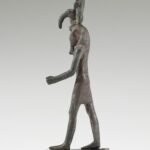 Iah
IahApep is frequently mentioned in the Egyptian Book of the Dead, a collection of spells and prayers designed to assist the deceased in the afterlife. In these texts, he is portrayed as a formidable foe that must be defeated to ensure the continuation of life and the daily rebirth of the sun. His presence in the underworld signifies the constant danger of chaos, which must be managed by the gods and the pharaohs.
Apep’s Characteristics and Symbolism
Apep is primarily depicted as a large serpent or snake, which is significant in itself. Snakes in Egyptian culture often symbolize both danger and protection. Apep’s serpent form represents the chaos that lurks beneath the surface of the ordered world. His body is often illustrated as dark and menacing, embodying the fear of the unknown and the darkness of the night. The color black is commonly associated with death and the underworld in Egyptian symbolism, reinforcing Apep’s role as a harbinger of chaos.
The struggle between Apep and Ra symbolizes the eternal battle between light and darkness. Each night, as Ra journeys through the underworld, Apep attempts to devour him. This conflict is not merely physical but also represents the psychological struggle within humans to overcome their fears and chaos. The Egyptians believed that the defeat of Apep each morning brought about the dawn, restoring order and balance to the world.
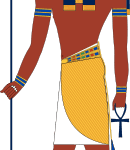 Wepwawet
The Battle Between Apep and Ra
The nightly battle between Apep and Ra is a central theme in Egyptian mythology. As Ra travels through the underworld, he is accompanied by a group of gods and spirits who assist him in combating Apep. This battle is depicted in various artworks and inscriptions, highlighting the importance of this myth to the ancient Egyptians. Ra’s victory over Apep each morning symbolizes the triumph of order over chaos and the renewal of life.
The struggle against Apep was not only a divine conflict but also had practical implications for the ancient Egyptians. They believed that their daily rituals and prayers could help support Ra in his battle against Apep. Temples dedicated to Ra often included rituals designed to protect the sun god from Apep’s influence. These rituals reinforced the idea that humans had a role in maintaining cosmic order and that their actions could influence the balance between good and evil.
Apep in Ancient Texts
Apep is referenced in various ancient Egyptian texts, including the Pyramid Texts and the Book of the Dead. These texts often contain spells and incantations aimed at protecting the deceased from Apep’s malevolent influence. The Pyramid Texts, which date back to the Old Kingdom, contain some of the earliest mentions of Apep. They describe the need for the pharaohs to defeat Apep to ensure their safe passage into the afterlife.
 Wosret
In the Book of the Dead, Apep is often portrayed as a significant obstacle that the deceased must overcome. Various spells are designed to protect the soul from Apep’s chaos, emphasizing the importance of maintaining order in both life and death. These texts reflect the Egyptians’ deep-seated fears of chaos and their desire for stability in the afterlife.
Cult Practices and Rituals
The ancient Egyptians developed a variety of cult practices and rituals aimed at combating Apep. One of the most significant rituals was the Ritual of the Cattle, in which priests would enact the defeat of Apep through symbolic acts. This ritual involved the sacrifice of a bull, representing the strength of the gods, and was performed to ensure the protection of the sun god Ra.
Another important practice was the use of amulets and charms inscribed with spells to ward off Apep. These objects were believed to provide protection to individuals and the community from Apep’s chaotic influence. The use of protective spells reflects the Egyptians’ understanding of the spiritual realm and their belief in the power of words and symbols to create order and safety.
The Influence of Apep on Modern Culture
Apep’s legacy continues to influence modern culture, particularly in literature, art, and popular media. His character often appears as a symbol of chaos and evil, representing the struggle against darkness. Various authors and artists draw inspiration from Apep’s story to explore themes of good versus evil, order versus chaos, and the human condition.
In contemporary literature, Apep has been portrayed in various forms, from ancient historical novels to fantasy stories. His representation as a powerful serpent embodies the primal fears of humanity, making him a compelling character in storytelling. Movies and video games also incorporate elements of Apep’s mythology, showcasing his role as an antagonist and exploring the eternal battle between light and darkness.
Theological Implications of Apep
Apep’s role in Egyptian mythology raises significant theological questions about the nature of evil and chaos. The ancient Egyptians viewed Apep not just as a monster but as an essential component of the cosmic order. His existence was necessary to define the boundaries of good and evil. Without chaos, there could be no understanding of order. This duality reflects a complex understanding of the universe, where light and darkness coexist and are interdependent.
The struggle against Apep also emphasizes the role of the gods in maintaining order. The Egyptians believed that the gods actively fought against chaos, and this divine intervention was crucial for the survival of the world. This belief in the active role of the gods in human affairs reflects a deep connection between the divine and the mortal realms, reinforcing the importance of rituals and worship in Egyptian society.
Apep in Archaeological Findings
Archaeological findings have provided valuable insights into the worship of Apep and the rituals associated with him. Temples dedicated to Ra often contained depictions of Apep, showcasing the significance of this battle in religious practices. Inscriptions and carvings found in tombs and temples illustrate the fear and reverence that the ancient Egyptians had for Apep, as well as their commitment to defeating chaos.
Artifacts such as amulets and ritual objects related to Apep have been discovered in various archaeological sites. These findings highlight the practical aspects of Egyptian religion, where the physical representation of beliefs played a crucial role in daily life. The presence of Apep in these artifacts emphasizes the ongoing struggle against chaos, reinforcing the idea that the ancient Egyptians actively sought to protect themselves from his influence.
Apep in Comparative Mythology
Apep’s role as a symbol of chaos can be compared to similar figures in other mythologies. In many cultures, chaos is often personified by a serpent or dragon, reflecting a universal fear of the unknown. For example, in Greek mythology, the primordial deity Chaos represents the void from which all creation emerged. Similarly, in Norse mythology, the serpent Jörmungandr is a significant figure associated with chaos and destruction.
These comparisons reveal a common theme across cultures: the struggle against chaos is a fundamental aspect of the human experience. Just as Apep represents the darkness that threatens to engulf the world, other mythologies feature their own embodiments of chaos, reflecting the universal human desire for order and stability. This shared understanding of chaos highlights the importance of mythology in addressing existential fears and the nature of reality.
The Legacy of Apep in Egyptian Religion
Apep’s legacy in Egyptian religion is profound and far-reaching. He serves as a reminder of the constant struggle between good and evil, light and darkness. The rituals and beliefs surrounding Apep played a crucial role in shaping the ancient Egyptians’ worldview, influencing their understanding of life, death, and the afterlife. The defeat of Apep by Ra each morning symbolizes the renewal of hope and the triumph of order over chaos.
Even today, Apep’s story resonates with themes of resilience and the fight against adversity. His character serves as a metaphor for the challenges individuals face in their lives. The lessons learned from the myth of Apep continue to inspire people to confront their fears and strive for balance in a chaotic world. The enduring nature of Apep’s story underscores the timeless relevance of mythology in understanding the human experience.